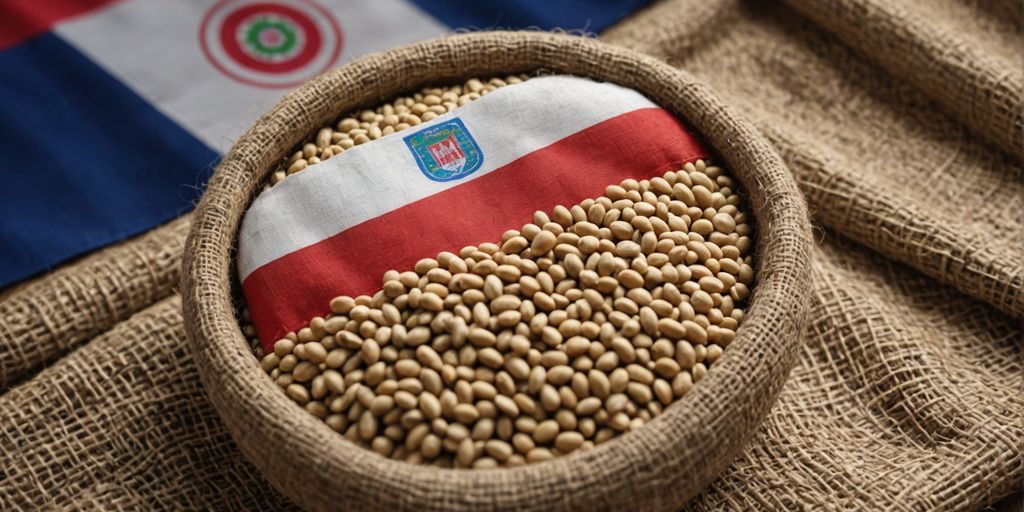
Paraguay is a key player in the sesame seed market, known for its high-quality production and diverse export destinations. This South American country has the ideal climate and soil conditions for growing sesame seeds, making it a significant contributor to the global supply. In this article, we explore the major distributors, export markets, quality standards, and future prospects of the sesame seed industry in Paraguay.
Key Takeaways
- Paraguay has a strong sesame seed market with significant production and exports.
- Key export destinations include Japan, Mexico, and Germany.
- The country follows international quality standards and local certification processes.
- Challenges include climate factors, market fluctuations, and regulatory hurdles.
- Sustainability practices and technological advancements are shaping the future of the market.
Overview of the Sesame Seeds Market in Paraguay
Historical Context and Growth
Paraguay has a rich history in sesame seed farming, with cultivation dating back several decades. Over the years, the country has seen significant growth in both production and export volumes. This growth is largely due to the high quality of Paraguayan sesame seeds, which are popular in markets like Japan, the USA, and the EU.
Key Players and Stakeholders
The sesame seed market in Paraguay is supported by various key players and stakeholders. These include local farmers, agricultural cooperatives, and export companies. Together, they ensure that the sesame seeds produced meet international standards and are competitive in the global market.
Economic Impact
The sesame seed industry has a notable economic impact on Paraguay. It contributes to the country’s GDP and provides employment opportunities, especially in rural areas. The industry’s growth has also led to improvements in local infrastructure and farming practices, further boosting the economy.
The sesame seed market in Paraguay is a vital part of the country’s agricultural sector, driving economic growth and providing livelihoods for many rural communities.
Production Trends in Paraguay
Annual Production Volumes
Paraguay has seen a significant rise in sesame seed production over the years. In 2019, the country produced 24,000 tonnes of sesame seeds. By 2022, this number had increased to over 40,000 tonnes, marking a 12% increase from the previous year. This growth places Paraguay among the top 25 producers globally. The annual production volume has shown a steady increase, with an average annual growth rate of 5.8% over the last five years.
Cultivation Practices
Farmers in Paraguay have adopted various cultivation practices to boost sesame seed production. These include crop rotation, use of organic fertilizers, and improved irrigation techniques. The adoption of these practices has led to higher yields and better quality seeds. Additionally, the Paraguayan Chamber of Sesame Exporters (CAPEXSE) plays a crucial role in educating farmers about best practices and providing necessary resources.
Technological Innovations
Technological advancements have also contributed to the growth of sesame seed production in Paraguay. The use of modern machinery for planting and harvesting has made the process more efficient. Furthermore, advancements in seed technology have resulted in the development of high-yield and disease-resistant sesame seed varieties. These innovations have not only increased production but also improved the overall quality of the seeds.
The future of sesame seed production in Paraguay looks promising, with continuous improvements in farming practices and technology expected to drive further growth.
Export Destinations for Paraguayan Sesame Seeds
Paraguay exports sesame seeds to several countries, with Japan, Mexico, and Germany being the top destinations. In 2022, Japan imported 7.2K tons of sesame seeds from Paraguay, making it the largest importer. Mexico followed with 5.7K tons, and Germany imported 0.1K tons.
Quality Standards and Certifications
Paraguay’s sesame seeds must meet various international quality standards to be eligible for export. These standards ensure that the seeds are safe, high-quality, and suitable for consumption. Compliance with these standards is crucial for maintaining market access and consumer trust.
To export sesame seeds, producers must go through several certification processes. These include obtaining certifications like BRCGS, which stands for British Retail Consortium Global Standards. This certification ensures that the seeds meet stringent safety and quality requirements. The process involves multiple steps:
- Initial application and documentation review
- On-site inspection and sampling
- Laboratory testing for contaminants and quality
- Final certification and periodic audits
Meeting these quality standards and certifications is not just about compliance; it’s about ensuring that Paraguay’s sesame seeds are trusted and valued in the global market.
Challenges Facing the Sesame Seeds Market
Paraguay’s sesame seed industry faces significant challenges due to unpredictable weather patterns. Frequent droughts and irregular rainfall can severely impact crop yields, making it difficult for farmers to maintain consistent production levels. These weather patterns not only affect the quantity but also the quality of the sesame seeds produced.
The global sesame seed market is highly competitive, with countries like India and Ethiopia being major players. Paraguay must continually improve its farming practices and product quality to stay competitive. This often requires significant investment in technology and training for farmers.
Navigating the complex regulatory landscape is another challenge for Paraguayan sesame seed producers. Compliance with both local and international standards can be time-consuming and costly. However, overcoming these hurdles is essential for accessing lucrative export markets.
The future of Paraguay’s sesame seed industry depends on overcoming these challenges through innovation and adaptation. Embracing new technologies and sustainable practices will be key to ensuring long-term success.
Sustainability in Sesame Seed Farming
Farmers in Paraguay are increasingly adopting sustainable farming practices to enhance sesame production. These initiatives include crop rotation, organic farming, and the use of natural pest control methods. By implementing these practices, farmers can maintain soil health and reduce the environmental footprint of sesame cultivation.
One of the most significant advantages of sesame cultivation is its minimal environmental impact. These resilient plants require less water compared to many other crops, making them ideal for regions with limited water resources. Additionally, sesame plants are known for their ability to thrive in poor soil conditions, reducing the need for chemical fertilizers.
The versatility of sesame seeds makes them a valuable crop for both culinary and industrial purposes.
Sustainable farming practices not only benefit the environment but also improve the quality of sesame seeds produced. In summary, sustainable farming practices in sesame cultivation in Paraguay focus on minimizing environmental impact and promoting long-term agricultural health.
Current Market Prices and Trends
Price Influencing Factors
The price of sesame seeds in Paraguay is shaped by several factors. Production costs play a significant role, as do international market trends. For example, the retail price range in Mozambique Metical for sesame seeds is between MZN 122.91 and MZN 307.28 per kilogram. This global interconnectedness affects local pricing strategies.
Comparison with Global Prices
When comparing with global prices, Paraguayan sesame seeds remain competitive. The average price per ton in Paraguay is influenced by the wholesale market price in the United States, among other factors. This comparison helps local producers adjust their pricing to stay relevant in the global market.
Future Price Projections
Looking ahead, the price of sesame seeds in Paraguay is expected to fluctuate based on global demand and supply dynamics. Historical data shows that prices were stable until 2015, after which they saw a sharp increase. This trend is likely to continue, influenced by both local and international market conditions.
The growing import trends highlight the interconnectedness of the global sesame seed market and its influence on local economies.
Key Distributors in Paraguay
Paraguay is home to several prominent sesame seed distributors, each offering unique products and services. Below are some of the key players in the industry.
Future Outlook for Paraguay’s Sesame Seed Market
The future of Paraguay’s sesame seed market looks bright, with numerous opportunities for growth and expansion. By leveraging emerging markets, embracing technological advancements, and attracting investments, the country can solidify its position in the global sesame seed industry.
Economic Impact of Sesame Seed Exports
Contribution to GDP
Sesame seed exports are a significant contributor to Paraguay’s GDP. In 2022, the value of sesame seed production was estimated at $52 million. Over the past five years, the value of production has increased at an average annual rate of 5.1%, despite some noticeable fluctuations. This steady growth highlights the importance of sesame seeds in the country’s economy.
Employment Opportunities
The sesame seed industry provides numerous job opportunities in Paraguay. From farming to processing, thousands of people are employed in this sector. This not only helps reduce unemployment but also supports local communities. The industry is crucial for creating jobs in agricultural regions, where employment options may be limited.
Rural Development
Sesame seed farming plays a vital role in the development of rural areas. The income generated from sesame seed exports helps improve the quality of life for farmers and their families. Additionally, the industry encourages better cultivation practices and product quality, which can lead to higher yields and profits for local farmers.
Sesame seeds are a significant source of income for Paraguay, especially in agricultural regions. The revenue generated from exports is crucial for the economy and supports local communities.
Consumer Preferences and Market Demand
Domestic Consumption Trends
Paraguayans have a growing interest in sesame seeds, especially for their health benefits. Per capita consumption has been steadily increasing over the years. Many local dishes now incorporate sesame seeds, making them a staple in Paraguayan cuisine.
International Market Demand
The global demand for Paraguayan sesame seeds is on the rise. Countries are particularly interested in organic, non-GMO sesame seeds. This trend has created substantial opportunities for the market, especially for products made from organic, non-GMO sesame seeds.
Product Varieties and Preferences
Consumers prefer a variety of sesame seed products, including raw seeds, oil, and tahini. The trend towards organic and non-GMO products is also evident in this segment. The market is adapting to these preferences by offering a wider range of products to meet consumer needs.
Understanding what consumers want is key to meeting market demand. Our sesame seeds from Paraguay are a perfect example of a product that meets high standards and satisfies customer needs. Visit our website to learn more about our premium sesame seeds and how they can benefit you.
Conclusion
Paraguay’s sesame seed market has experienced both growth and challenges over the years. Despite some ups and downs in export volumes, the country has firmly established itself as a significant player in the global market. The demand for Paraguayan sesame seeds remains strong, especially in countries like Japan, Mexico, and Germany. With ideal climate and soil conditions, Paraguay continues to produce high-quality sesame seeds. The future looks promising with emerging markets, technological innovations, and sustainable farming practices driving growth. Overall, Paraguay’s sesame seed industry is poised for continued success.
Frequently Asked Questions
What is the current state of the sesame seed market in Paraguay?
Paraguay’s sesame seed market has seen both growth and challenges. The country is a key player globally, with strong demand from countries like Japan, Mexico, and Germany.
Who are the major distributors of sesame seeds in Paraguay?
Some of the major distributors include Kasba S.A. and Seeds Oil S.A. They are known for their high-quality products and reliable services.
What are the main export destinations for Paraguayan sesame seeds?
Paraguayan sesame seeds are mainly exported to Japan, Mexico, and Germany. Japan is the top importer of these seeds.
How much sesame seed did Paraguay produce in recent years?
In 2019, Paraguay produced 24,000 tonnes of sesame seeds and had about 40,000 hectares under cultivation.
What are the quality standards for sesame seeds in Paraguay?
Paraguay follows international quality standards and has local certification processes to ensure the high quality of its sesame seeds.
What challenges does the sesame seed market in Paraguay face?
The market faces challenges such as climate and environmental factors, market fluctuations, and regulatory hurdles.
What is the impact of sesame seed exports on Paraguay’s economy?
Sesame seed exports contribute significantly to Paraguay’s GDP, create employment opportunities, and aid in rural development.
What are the future prospects for the sesame seed market in Paraguay?
The future looks promising with emerging markets, technological advancements, and investment opportunities driving growth.