
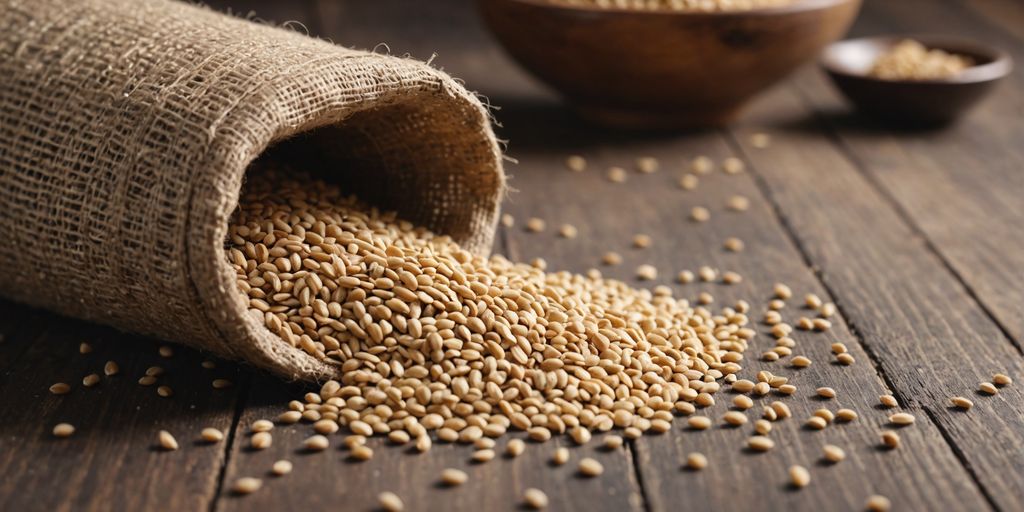
Sesame seeds are small but mighty, playing an essential role in global cuisine and agriculture. As these seeds gain popularity, understanding the international market is crucial for anyone looking to trade or invest. This article dives deep into various aspects of the sesame seed market, from quality standards to trade regulations, ensuring you have all the information needed to succeed.
Key Takeaways
- The sesame seed market is competitive but offers opportunities for new suppliers who can meet quality and volume requirements.
- European and USDA standards for sesame seeds are stringent, making high-quality and safe products essential for market entry.
- Sustainable farming practices and reliable suppliers are key to sourcing top-notch sesame seeds.
- Proper processing and packaging techniques are vital to maintaining the quality and shelf life of sesame seeds for export.
- Understanding trade regulations, tariffs, and international laws is crucial for navigating the global sesame seed market.
Understanding the Global Sesame Seed Market
Key Exporters and Importers
The global sesame seed market is a dynamic and competitive space. India leads as the top exporter with an export value of $489.3 million in 2023, followed closely by Nigeria at $459.4 million. On the import side, China stands out as the largest importer, reflecting its significant demand for sesame seeds.
Market Size and Growth Projections
In 2023, the global sesame seeds market size reached US$ 7.2 billion. Looking ahead, the market is expected to grow to US$ 8.87 billion by 2032, with a compound annual growth rate (CAGR) of 2.27% from 2024 to 2032. This growth is driven by the increasing demand for healthy foods and the rising popularity of ethnic cuisines.
Competitive Landscape
The competitive landscape of the sesame seed market is shaped by various factors, including price changes and harvesting seasonality. For instance, India’s weekly price change was +11.88% in 2023, while its monthly price change was +13.73%. These fluctuations highlight the market’s volatility and the importance of strategic planning for exporters and importers alike.
The global sesame seed market was finally on the rise in 2022, reaching new heights after a two-year decline. This positive trend is expected to continue, offering opportunities for growth and expansion in the coming years.
Quality Standards for Sesame Seeds in the International Market
European Quality Requirements
In Europe, sesame seeds must meet general food safety and quality rules. They should be safe to eat, free from strange tastes and smells, and clean from harmful dirt. Meeting international quality standards is crucial for success in the export market. This means no dead insects, plant bits, or sand should be in the seeds.
USDA Standards
The USDA has set clear rules for sesame seeds. They look at things like seed color, size, and purity. Seeds should be free from living insects and other impurities. The USDA also checks for moisture levels to ensure the seeds stay fresh longer.
Organic Certification
To get organic certification, sesame seeds must be grown without synthetic pesticides or fertilizers. Farmers need to follow strict farming practices to meet these standards. Organic certification can help in unlocking sesame export potential, especially in markets that value organic products.
Agribusiness firms and cooperatives should focus on quality control and standardization to meet these international standards.
Sourcing High-Quality Sesame Seeds
Top Producing Countries
When looking for the best sesame seeds, it’s important to know where they come from. Guatemala is known for being a top supplier of high-quality sesame. Other major producers include Sudan, India, and Nigeria. These countries have the right climate and soil to grow sesame seeds that meet international standards.
Sustainable Farming Practices
To ensure the sesame seeds are of the highest quality, farmers should use sustainable farming practices. This means avoiding chemical or microbial residues. One way to assure customers of this is by obtaining organic certification. Sustainable farming not only helps the environment but also produces healthier seeds.
Selecting Reliable Suppliers
Finding a reliable supplier is crucial. Look for suppliers who offer sesame seeds that are cleaned and raw, like those from Exline Trading L.L.C. They provide seeds with a purity of 99.99% and package them in PP bags to keep them fresh. Reliable suppliers often source their seeds directly from the best regions, ensuring top quality.
Processing and Packaging for Export
Processing Techniques
Processing sesame seeds involves several steps to ensure they meet international standards. The seeds are cleaned, hulled, and sometimes roasted. Advanced machinery is used to maintain hygiene and quality. This ensures that the seeds are free from contaminants and impurities.
Packaging Standards
Proper packaging is crucial for maintaining the quality of sesame seeds during transit. Exporters often use 25 kg or 50 kg polypropylene (PP) bags or multi-layered paper bags. These materials comply with Regulation (EU) No 10/2011, ensuring they do not release harmful substances into the food. Eco-friendly packaging options are also becoming popular.
Poor packaging can result in buyers choosing a different supplier. It’s essential to discuss packaging needs with your buyers to meet their expectations.
Ensuring Shelf Life
To extend the shelf life of sesame seeds, it’s important to store them in a cool, dry place. Proper sealing of the packaging prevents moisture and pests from damaging the seeds. Regular quality checks are necessary to ensure the seeds remain fresh and safe for consumption.
Navigating Trade Regulations and Tariffs
Import and Export Tariffs
Understanding the various import and export tariffs is crucial when you start exporting grains, pulses, and oilseeds to the European market. These tariffs can significantly impact your pricing strategy and overall profitability. It’s essential to prepare your exports well by knowing the specific tariffs for each country you plan to trade with.
Trade Agreements
Trade agreements between countries can either simplify or complicate your export process. These agreements often dictate the terms of trade, including tariffs, quotas, and other restrictions. Familiarize yourself with existing trade agreements to take full advantage of any benefits they offer.
Compliance with International Laws
Compliance with international laws is non-negotiable. You need to understand the contract with your buyer, agree on payment and delivery terms, prepare the required export documents, and organize the transport. This ensures that your products meet all legal requirements, reducing the risk of delays or penalties.
When navigating trade regulations, always consult reliable sources and, if necessary, seek professional advice to ensure full compliance.
Market Trends and Consumer Preferences
Health Benefits Driving Demand
The demand for sesame seeds is on the rise, largely due to their numerous health benefits. Consumers are increasingly seeking foods that promote well-being, and sesame seeds fit the bill perfectly. They are rich in essential nutrients like calcium, iron, and magnesium, making them a popular choice for health-conscious individuals.
Popularity of Ethnic Cuisines
Ethnic cuisines are gaining popularity worldwide, and sesame seeds are a staple in many of these dishes. From Asian to Middle Eastern cuisines, the use of sesame seeds is widespread. This trend is driving the demand for high-quality sesame seeds in the international market.
Trends in Organic and Non-GMO Products
There is a growing preference for organic and non-GMO products among consumers. This shift is evident in the sesame seed market as well. Organic sesame seeds are becoming more popular, and consumers are willing to pay a premium for products that are free from genetically modified organisms.
The market for sesame seeds is evolving, with health benefits and ethnic cuisines playing a significant role in driving demand. Organic and non-GMO trends are also shaping consumer preferences, making it essential for producers to adapt to these changes.
| Trend | Description |
|---|---|
| Health Benefits | Rich in nutrients like calcium, iron, and magnesium |
| Ethnic Cuisines | Staple in Asian and Middle Eastern dishes |
| Organic and Non-GMO | Growing preference for organic and non-GMO products |
Distribution Channels for Sesame Seeds
Finding Distributors
To get sesame seeds into the European market, you can work with middlemen like traders or brokers. These partners help you reach companies that process, package, or market sesame products directly in Europe. Most sesame is imported by commodity traders who supply seeds, grains, and other ingredients to the food industry. Supplying high-quality seeds and finding an experienced distributor are crucial steps.
Direct to Consumer Sales
Selling sesame seeds directly to consumers is a growing trend. This can be done through online platforms or local markets. While retail packages of sesame seeds are still a niche market in Europe, there is potential for growth. Retailers often source small volumes from private label product suppliers or branded producers.
Online Marketplaces
Online sales channels are becoming increasingly important for sesame seeds. Platforms like Amazon and specialized food marketplaces offer a way to reach a broad audience. This method is especially useful for small and medium-sized enterprises looking to expand their market reach without significant investment in physical stores.
The bioactive components present in the seed include vital minerals, vitamins, phytosterols, polyunsaturated fatty acids, tocopherols, and a unique class of nutrients. These elements make sesame seeds highly desirable in various markets.
In summary, whether through middlemen, direct sales, or online platforms, there are multiple ways to distribute sesame seeds effectively.
Challenges in the Sesame Seed Market
Market Volatility
The sesame seed market is highly competitive, with many producers from Asia and sub-Saharan Africa. This competition leads to market volatility, where prices can change quickly. Farmers and suppliers must adapt to these changes to stay profitable.
Supply Chain Issues
Supply chain problems are common in the sesame seed market. Environmental threats like drought and waterlogging stress can disrupt production. Additionally, internal conflicts in producing countries can affect the supply chain, making it hard to get consistent quantities of high-quality sesame seeds.
Quality Control
Ensuring the quality of sesame seeds is crucial for international trade. Many top producers face food safety concerns, which can impact their ability to meet international quality standards. Companies that can consistently meet these standards will find more opportunities in the global market.
The sesame seed market is competitive and challenging, but with the right strategies, suppliers can overcome these obstacles and succeed.
Case Studies of Successful Market Entry
Success Stories
When examining the various links in the sesame value chain, our field research shows that women are more represented in areas beyond production. These include processing and trading, where they play a crucial role. Women are crucial for the development of the sesame industry.
Lessons Learned
- Identify key country-level markets: Mapping the leading and fastest-growing regional markets helps stakeholders pinpoint the most promising areas for entry.
- Assess competition: Using Porter’s five forces analysis, stakeholders can evaluate the impact of new entrants, competitive rivalry, supplier power, buyer power, and the threat of substitution.
- Connect with specialized brokers: For first-time entries into markets like Europe, a specialized broker or trader can help connect to buyers. Research the broker’s track record and reputation before signing any agreement.
Strategies for New Entrants
- Meet buyer requirements: Ensure you can supply sufficient volumes at a consistent quality to attract more clients.
- Utilize competitive intelligence: Leverage consumer surveys, feedback reports, and market entry assessments to make informed decisions.
- Explore procurement research: Understanding pricing and cost structures can provide a competitive edge.
Entering a new market requires thorough research and strategic planning. By understanding the competitive landscape and connecting with reliable partners, new entrants can successfully navigate the complexities of the sesame seed market.
Future Outlook for the Sesame Seed Market
Predicted Market Growth
The global sesame seeds market size reached US$ 7.2 Billion in 2023. Looking forward, IMARC Group expects the market to reach US$ 8.87 Billion by 2032, exhibiting a growth rate (CAGR) of 2.27% during 2024-2032. The increasing demand for healthy foods and the growing awareness regarding the nutritional benefits of sesame seeds are key factors driving this growth. The stable demand from the European food sector provides a reliable market for sesame producers who can fulfill the European quality and food safety requirements.
Innovations in Sesame Products
Innovations in sesame products are expected to play a significant role in market growth. New product developments, such as sesame-based snacks and health supplements, are gaining popularity. Additionally, advancements in processing techniques are improving the quality and shelf life of sesame products, making them more appealing to consumers.
Sustainability Initiatives
Sustainability initiatives are becoming increasingly important in the sesame seed market. Efforts to promote sustainable farming practices and reduce the environmental impact of sesame production are gaining traction. These initiatives not only help in preserving the environment but also enhance the marketability of sesame seeds, especially in regions with strict environmental regulations.
The anticipated sesame seed production of approximately 90,000 mt in 2024, coupled with favorable rainfall conditions, is leading to expectations of similar or slightly higher crop yields in the coming years.
The future of the sesame seed market looks promising with increasing demand worldwide. As more people discover the health benefits of sesame seeds, the market is set to grow. For the best quality sesame seeds, visit our website and explore our wide range of products. Don’t miss out on the opportunity to enhance your health and culinary experiences with our premium sesame seeds.
Conclusion
In conclusion, the international market for sesame seeds, especially in Europe, offers promising opportunities for producers who can meet high-quality standards and food safety requirements. With a stable demand driven by the food sector and a growing interest in both conventional and organic sesame seeds, the market is set to expand in the coming years. By ensuring consistent quality and partnering with experienced distributors, new suppliers can successfully enter and thrive in this competitive market. The future looks bright for those who are ready to embrace the challenges and reap the rewards of the global sesame seed market.
Frequently Asked Questions
What are the main uses of sesame seeds in Europe?
Sesame seeds are used in a variety of foods like bread, snacks, and sauces. They are also used to make sesame oil.
Which countries are the top producers of sesame seeds?
Sudan, India, and Myanmar are some of the largest producers of sesame seeds.
What quality standards must sesame seeds meet for the European market?
Sesame seeds must meet high quality and food safety standards, including being free from contaminants and having consistent color and size.
How big is the global sesame seed market?
The global sesame seed market was valued at around $7.2 billion in 2023 and is expected to grow to $8.87 billion by 2032.
Why is there a growing demand for sesame seeds?
Increasing awareness of their health benefits and the popularity of ethnic cuisines are driving the demand for sesame seeds.
What are the challenges in the sesame seed market?
Challenges include market volatility, supply chain issues, and maintaining quality control.
What are some sustainable farming practices for sesame seeds?
Sustainable practices include crop rotation, organic farming, and using fewer pesticides.
What packaging standards are required for exporting sesame seeds?
Packaging must protect the seeds from moisture and pests to ensure a long shelf life. It should also comply with international trade regulations.