

Organic sesame seeds are becoming increasingly popular in global markets. They are used in many food products and are valued for their health benefits. India is a major player in the sesame seed market, exporting large quantities to various countries. The demand for organic sesame seeds is driven by rising health consciousness and the growing popularity of organic foods. However, the market faces challenges such as weather-dependent production and competition from conventional seeds.
Key Takeaways
- Organic sesame seeds are in high demand due to their health benefits and use in various food products.
- India is a leading exporter of sesame seeds, with major export destinations including Japan, China, and the USA.
- Procurement channels for bulk sesame seeds include online marketplaces, direct supplier relationships, and trade fairs.
- The health benefits of organic sesame seeds include a rich nutritional profile and antioxidant properties.
- Challenges in the market include weather-dependent production and competition from conventional seeds.
Market Opportunities for Organic Sesame Seeds
Rising Demand in Food Products
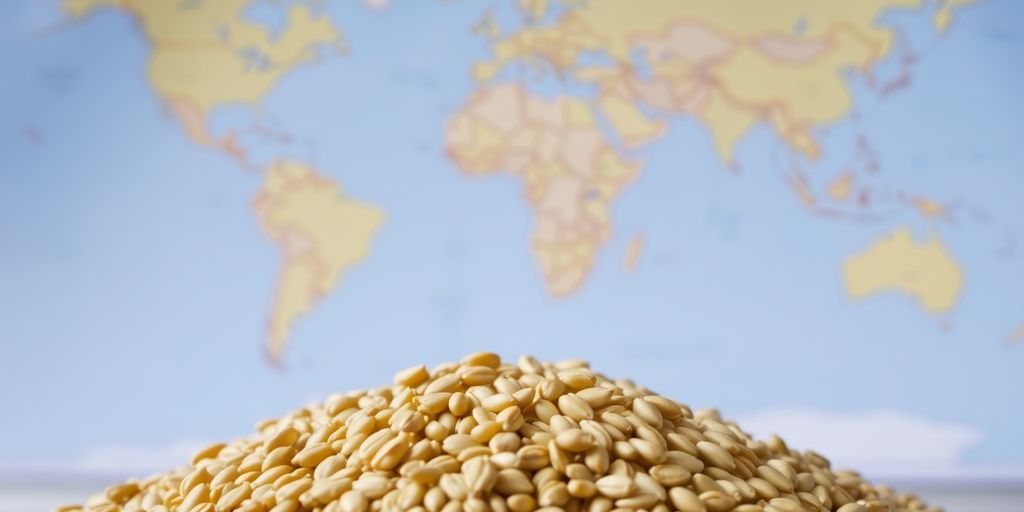
The rising popularity of plant-based food products and the clean-label trend are set to drive up the sales of organically produced sesame seed extract. Organic sesame seeds are increasingly being used in a variety of food products, from baked goods to ready-to-eat meals. This trend is expected to continue as more consumers seek out healthy and natural food options.
Health Consciousness Among Consumers
Consumers are becoming more health-conscious, leading to a higher demand for organic and natural foods. Organic sesame seeds are rich in fiber, antioxidants, and essential fatty acids, making them a popular choice for health-focused individuals. This growing health awareness is a significant driver for the market.
Competitive Pricing by Manufacturers
Manufacturers are working on competitive pricing strategies to make organic sesame seeds more accessible to a broader audience. By optimizing production processes and supply chains, they aim to offer high-quality products at more affordable prices. This approach is expected to attract more consumers and boost market growth.
India’s Role in Sesame Seed Export
Major Export Destinations
India is one of the largest producers and exporters of sesame seeds in the world. The country exports a wide range of sesame seeds to various countries. The main importers include Japan, China, Australia, the USA, Canada, Korea, Indonesia, Malaysia, and Singapore. Other countries that import Indian sesame seeds are Bangladesh, Mauritius, Sri Lanka, and the Middle East countries.
Production Statistics
India produces more than 35% of the sesame seeds in the world. Sesame production in India is estimated to be around 6 lakh tonnes with an export potential of 1.25 lakh tonnes (20% of production). The average yield per hectare is 880 kgs. India exports 50% to 60% of sesame seeds every year.
Regional Production Insights
Madhya Pradesh produces as much as 75% of sesame in the country followed by Gujarat (10%). The highly fertile regions of the Indo-Gangetic plains and Gujarat are known for their premium quality sesame seeds. India’s sesame seed exports totaled 81,330 MT in the period January-April 2024 with an average export value of USD 2,228/MT.
India’s role in the sesame seed market is crucial, given its significant production and export capacity. The country’s ability to meet global demand highlights its importance in the international trade of sesame seeds.
Procurement Channels for Bulk Sesame Seeds
Online Marketplaces
One of the most convenient ways to procure sesame seeds in bulk is through online marketplaces. Platforms like Tradologie.com offer a seamless experience by connecting buyers directly with suppliers. This eliminates the middleman and ensures competitive pricing. Buyers can view seller requirements and bid for products, all from the comfort of their home or office. This method not only saves time but also provides a transparent process, giving buyers peace of mind.
Direct Supplier Relationships
Building direct relationships with suppliers is another effective procurement channel. By working directly with manufacturers, buyers can negotiate better terms and ensure a consistent supply of high-quality sesame seeds. This approach often leads to more personalized service and the ability to customize orders based on specific needs. Establishing a direct line of communication with suppliers can also help in addressing any issues promptly, ensuring a smooth procurement process.
Trade Fairs and Expos
Trade fairs and expos are excellent venues for sourcing bulk sesame seeds. These events bring together a wide range of suppliers and buyers, providing an opportunity to network and establish new business relationships. Attending trade fairs allows buyers to physically inspect the quality of sesame seeds and discuss terms directly with suppliers. This face-to-face interaction can be invaluable in building trust and ensuring the reliability of future transactions.
For those looking to buy in bulk, these procurement channels offer various advantages, from competitive pricing to the assurance of quality and reliability.
Health Benefits of Organic Sesame Seeds
Nutritional Profile
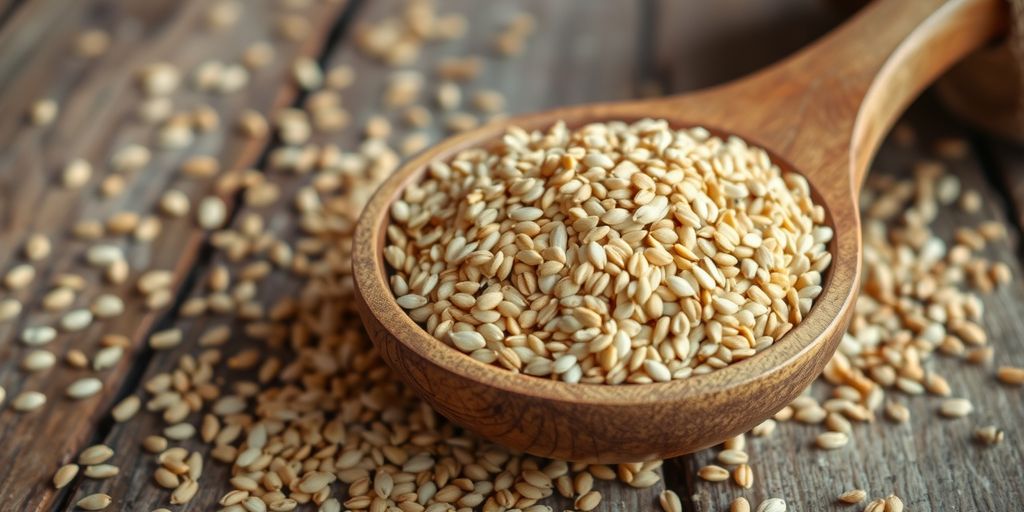
Organic sesame seeds are packed with essential nutrients, including calcium, magnesium, phosphorus, and zinc. These minerals are crucial for bone health, immune function, and overall well-being. Rich in fiber and protein, they also provide a good source of healthy fats.
Antioxidant Properties
These seeds contain powerful antioxidants like sesamol and sesamin. These compounds help fight free radicals in the body, reducing oxidative stress and potentially lowering the risk of chronic diseases. The presence of vitamins E, D, and B further enhances their antioxidant capacity.
Role in Preventing Chronic Diseases
Studies have shown that consuming organic sesame seeds can help lower blood pressure, cholesterol, and the risk of cancer. The nutrients like magnesium, copper, and vitamin B6 play a significant role in these health benefits. With the rising incidence of chronic illnesses globally, incorporating these seeds into your diet can be a proactive step towards better health.
The growing shift towards organic, chemical-free foods is propelling the market growth for organic sesame seeds. More people are switching to organic sesame seeds as part of a healthy diet and lifestyle.
Challenges in the Organic Sesame Seed Market
Weather-Dependent Production
Organic sesame seed production is highly dependent on weather conditions. Unpredictable weather patterns can lead to fluctuating sesame seed production, causing supply issues and price volatility. Farmers often face challenges in maintaining consistent yields due to these environmental factors.
Competition from Conventional Seeds
The market for organic sesame seeds faces strong competition from conventionally grown sesame seeds, which are generally cheaper and more widely available. This price difference makes it difficult for organic sesame seeds to compete, especially in price-sensitive markets. Effective marketing and health education are essential to highlight the benefits of organic sesame seeds over conventional ones.
Regulatory Hurdles
Navigating the regulatory landscape for organic certification can be complex and costly. Different countries have varying standards and requirements for organic labeling, which can be a significant barrier for producers looking to enter international markets. Compliance with these regulations often requires substantial investment in both time and resources.
The global organic sesame seed market is currently experiencing significant growth, fueled primarily by heightened consumer awareness of the health benefits. However, overcoming these challenges is crucial for sustaining this growth trajectory.
Regional Market Insights
North America
North America is expected to be the largest market for organic sesame seeds during the forecast period, accounting for over 41.5% of the market share in 2023. The growth in this region is driven by the rising vegan population and high demand for plant-based foods.
Europe
Europe is anticipated to be the fastest-growing market for organic sesame seeds, with a CAGR of over 16.8% during the forecast period. The high demand for organic and natural ingredients in the region’s large food and beverage industry is a significant factor.
Asia Pacific
The Asia Pacific market is expected to be the second-largest market, accounting for over 28.7% of the market share in 2023. The growth in this region is due to increasing health awareness and the expanding food processing sector in emerging economies like China and India.
Product Innovations in Organic Sesame Seeds
Roasted and Flavored Varieties
One of the most exciting developments in the organic sesame seed market is the introduction of roasted and flavored varieties. These innovations not only enhance the taste but also add a unique twist to traditional sesame seeds. Roasted sesame seeds have a richer, nuttier flavor, making them a popular choice for snacks and culinary uses. Flavored options, such as garlic or chili, cater to diverse consumer preferences and can be used in various dishes.
Ready-to-Cook Options
Ready-to-cook sesame seeds are another innovative product gaining traction. These pre-prepared seeds save time and effort for consumers, making it easier to incorporate sesame seeds into daily meals. They are particularly popular in the busy lifestyles of urban populations. This convenience factor is driving their demand in both domestic and international markets.
Value-Added Offerings
Value-added offerings are transforming the organic sesame seed market. Products like sesame seed oil, tahini, and sesame-based snacks are becoming increasingly popular. These items not only provide the nutritional benefits of sesame seeds but also offer added convenience and versatility. The market for these products is expected to grow, especially in regions like the Asia Pacific, where innovations in extraction and farming technologies are boosting production.
The organic sesame seed market is evolving with new and exciting products that cater to the changing needs and preferences of consumers. From roasted and flavored varieties to ready-to-cook options and value-added offerings, these innovations are set to drive market growth and expand the reach of organic sesame seeds globally.
Distribution Strategies for Emerging Markets
Partnerships with Local Retailers
Emerging economies like China, India, Brazil, and Mexico offer significant untapped opportunities for organic sesame seeds. With rising incomes, rapid urbanization, and greater health awareness, consumers in these markets are willing to pay premium prices for high-quality organic food products. Companies can focus on expanding distribution networks by partnering with local retailers to tap into this demand. This strategy can help in reaching a larger audience and building trust within the community.
Targeted Marketing Campaigns
Targeted marketing highlighting the health benefits of organic sesame seeds can further drive adoption. By focusing on the specific needs and preferences of consumers in emerging markets, companies can create more effective marketing campaigns. For instance, emphasizing the nutritional profile and antioxidant properties of organic sesame seeds can attract health-conscious consumers.
Leveraging E-commerce Platforms
The rise of e-commerce platforms provides an excellent opportunity for companies to reach a broader audience. By listing products on popular online marketplaces, businesses can cater to tech-savvy consumers who prefer shopping online. This approach not only increases visibility but also makes it easier for consumers to purchase organic sesame seeds from the comfort of their homes.
The peeled sesame market can be segmented based on several factors, including product type, application, end-user, and distribution channel. This segmentation allows companies to tailor their distribution strategies to meet the specific needs of different market segments.
Impact of Food Processing Industry on Sesame Seed Demand
The food processing industry has a significant impact on the demand for organic sesame seeds. As lifestyles change and the need for convenience foods grows, the industry is incorporating more sesame seeds into various products. This trend is driven by the seeds’ ability to enhance both flavor and nutritional value.
Incorporation in Baked Goods
Organic sesame seeds are increasingly being used in baked goods. Artisanal bakeries and large-scale producers alike are adding these seeds to breads, cookies, and bagels. The unique taste and texture of sesame seeds make them a popular choice. This trend is expected to continue as consumers seek out high-quality, natural ingredients.
Use in Ready-to-Eat Meals
The rise of ready-to-eat meals has also boosted the demand for organic sesame seeds. These seeds are used in a variety of dishes, from salads to main courses, to add a nutritional boost. The convenience of ready-to-eat meals makes them a popular choice for busy consumers, further driving the demand for sesame seeds.
Partnerships with Food Manufacturers
Food manufacturers are increasingly partnering with organic sesame seed suppliers to meet the growing demand. These partnerships help ensure a steady supply of high-quality seeds. Additionally, manufacturers are investing in research and development to create new sesame-based food products. This collaboration is essential for meeting consumer demand and driving innovation in the market.
The food processing industry plays a crucial role in the demand for organic sesame seeds, with applications ranging from baked goods to ready-to-eat meals. As the industry continues to grow, so too will the demand for these versatile seeds.
Recent Developments in the Organic Sesame Seed Market
New Product Launches
The organic sesame seed market has seen several new product launches aimed at meeting the rising demand for healthier food options. Companies are introducing innovative products like roasted and flavored sesame seeds, which cater to the growing popularity of Asian cuisines worldwide. These new offerings are designed to attract health-conscious consumers looking for nutritious and tasty options.
Acquisitions and Partnerships
In recent years, there have been significant acquisitions and partnerships in the organic sesame seed market. For instance, in October 2021, Dipasa U.S. acquired SilkyCoco, an organic sesame seed importer and distributor. This acquisition expanded Dipasa U.S.’s presence and product portfolio in North America. Similarly, in September 2020, Selet Hulling partnered with major sesame seed exporters in East Africa to ensure traceable and sustainable sourcing of organic sesame. These strategic moves have strengthened supply chains and enhanced brand images.
Market Expansion Initiatives
Companies are actively pursuing market expansion initiatives to cater to the growing international demand for organic sesame seeds. Efforts include establishing direct supply chains and strengthening export networks. These initiatives are crucial for tapping into promising opportunities in regions like North America, Europe, and Asia Pacific, where health awareness and expenditure power are high.
The organic sesame seed market is poised for strong growth, driven by increasing health consciousness among consumers and the rising demand for protein-rich food products. However, challenges like fluctuating production due to uncertain weather conditions and competition from cheaper conventional seeds remain.
Top Companies in the Organic Sesame Seed Market
Key Players
The organic sesame seed market features several prominent companies. Shyam Industries, Sresta Natural Bioproducts Pvt. Ltd., and Raab Vitalfood GmbH are some of the key players. Other notable companies include Sanmark, MANISH AGRO EXPORTS, and Orienco. These companies are known for their high-quality products and extensive distribution networks.
Market Share Analysis
The market share of these companies varies, with some holding a significant portion of the market. For instance, Shyam Industries and Sresta Natural Bioproducts Pvt. Ltd. are leaders in the market. The table below provides a snapshot of the market share of some key players:
| Company Name | Market Share (%) |
|---|---|
| Shyam Industries | 15% |
| Sresta Natural Bioproducts Pvt. Ltd. | 12% |
| Raab Vitalfood GmbH | 10% |
| Sanmark | 8% |
| MANISH AGRO EXPORTS | 7% |
Competitive Landscape
The competitive landscape of the organic sesame seed market is dynamic. Companies are constantly innovating to stay ahead. For example, Dipasa USA, Inc. recently acquired SilkyCoco, an organic sesame seed importer and distributor, to expand its presence in North America. Similarly, Selet Hulling PLC has partnered with major exporters in East Africa to ensure sustainable sourcing. These strategic moves help companies maintain a competitive edge in the market.
The organic sesame seed market is expected to grow significantly, driven by increasing health consciousness and rising demand for natural products. However, competition remains fierce, with companies continually seeking ways to innovate and expand their market share.
Looking for the top companies in the organic sesame seed market? Discover the best suppliers and exporters who offer high-quality, non-GMO sesame seeds. Our website provides detailed information on the leading names in the industry. Don’t miss out on the best deals and premium products. Visit us now to learn more!
Conclusion
In conclusion, the global market for organic sesame seeds is on a promising upward trajectory. The increasing awareness about healthy eating habits and the benefits of organic foods is driving demand. Countries like India play a significant role in production and export, meeting the needs of various international markets. Despite challenges like fluctuating weather conditions and competition from conventional seeds, the future looks bright. Innovations in product offerings and expanding distribution networks are key strategies for growth. As consumers continue to seek natural and nutritious options, organic sesame seeds are set to become a staple in kitchens worldwide.
Frequently Asked Questions
What are organic sesame seeds?
Organic sesame seeds are grown without synthetic pesticides or fertilizers. They are considered healthier and more environmentally friendly.
Why is there a rising demand for organic sesame seeds?
The demand is increasing due to their use in various food products and the growing awareness about healthy eating habits.
Which country is a major exporter of sesame seeds?
India is one of the largest producers and exporters of sesame seeds, exporting to countries like Japan, China, and the USA.
What are the health benefits of organic sesame seeds?
Organic sesame seeds are rich in fiber, antioxidants, and essential fatty acids. They help in preventing chronic diseases and improving overall health.
How can I buy sesame seeds in bulk?
You can purchase them through online marketplaces, direct supplier relationships, or trade fairs and expos.
What are the challenges in the organic sesame seed market?
The main challenges include weather-dependent production, competition from conventional seeds, and regulatory hurdles.
What regions are key markets for organic sesame seeds?
North America, Europe, and Asia Pacific are significant markets, with North America leading due to high health consciousness.
What are some product innovations in organic sesame seeds?
New products include roasted and flavored varieties, ready-to-cook options, and other value-added offerings.