
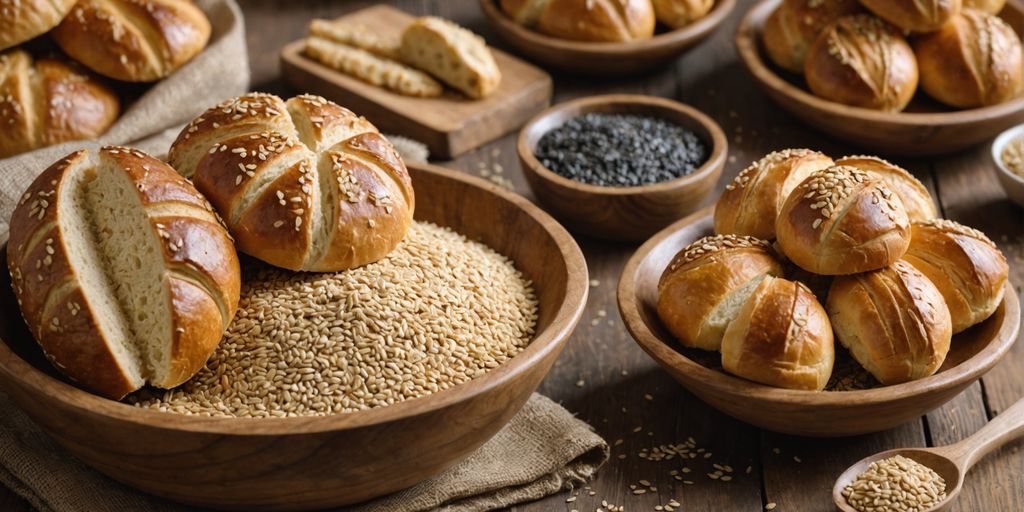
Sesame seeds are a small but mighty ingredient, especially in the bakery industry. They add a nutty flavor and a delightful crunch to various baked goods. Premium sesame seeds, in particular, offer better taste, higher nutritional value, and improved quality compared to standard seeds. This article explores the importance of premium sesame seeds, how to source them, their types, uses in baking, health benefits, and much more.
Key Takeaways
- Premium sesame seeds enhance the flavor and texture of baked goods.
- They offer higher nutritional value, including essential vitamins and minerals.
- Sourcing high-quality sesame seeds involves ethical and sustainable practices.
- Different types of sesame seeds, like white, black, and brown, have unique uses in baking.
- Using premium sesame seeds can have long-term economic benefits for bakeries.
Understanding the Importance of Premium Sesame Seeds in Baking
Nutritional Benefits of Sesame Seeds
Sesame seeds are packed with essential nutrients. They are a rich source of plant-based protein, making them ideal for vegetarian and vegan diets. Additionally, they provide vital minerals like magnesium and calcium, which are crucial for bone health. Including sesame seeds in baked goods can significantly boost their nutritional value.
Flavor Profile and Culinary Uses
Sesame seeds add a unique nutty flavor and a delightful crunch to various dishes. They are perfect for enhancing the taste and texture of baked goods such as bread, bagels, and pastries. Their versatility extends beyond baking, as they can also be used in stir-fries, rice dishes, and even as a garnish for salads and vegetables.
Comparing Premium and Standard Sesame Seeds
When it comes to quality, premium sesame seeds stand out due to their superior taste and texture. They are carefully sourced and processed to ensure maximum freshness and flavor. In contrast, standard sesame seeds may lack the same level of quality and consistency. Choosing premium sesame seeds can elevate the overall quality of your baked products.
Sourcing High-Quality Sesame Seeds for Bakeries
Global Producers of Sesame Seeds
Sesame seeds are grown in many parts of the world, but some countries are known for producing the best quality. Sudan, India, Myanmar, Nigeria, Tanzania, and Ethiopia are among the top producers. These countries have the right climate and soil conditions to grow sesame seeds that meet the high standards required by the bakery industry.
Ethical and Sustainable Sourcing
When sourcing sesame seeds, it’s important to consider ethical and sustainable practices. This means ensuring that the farmers are paid fairly and that the farming methods do not harm the environment. Ethical sourcing helps maintain a stable supply of sesame seeds and supports the communities that grow them.
Quality Control and Certification
To ensure that the sesame seeds meet industry standards, they must go through rigorous quality control processes. This includes checking for purity, size, and flavor. Certifications from recognized bodies can also help guarantee the quality of the seeds. These certifications often cover aspects like organic farming, non-GMO status, and fair trade practices.
By focusing on high-quality, ethically sourced sesame seeds, bakeries can introduce their customers to a fascinating flavor and nutrition world with premium sesame seeds, oil, tahini, powder, meals, and innovative snacks.
Types of Sesame Seeds and Their Uses in Baking
White Sesame Seeds
White sesame seeds are known for their nutty flavor and are often used as a condiment in baking. They are typically sprinkled over buns and cakes. White seeds are the ‘standard’ variety grown in India and are most suitable for hulling. These seeds are prized for their aesthetic value and are often used in their natural or hulled form.
Black Sesame Seeds
Black sesame seeds are smaller than white seeds and have a rich flavor. They are commonly used in Asian countries as a seasoning in salads and are also found on top of sushi. These seeds are an excellent source of magnesium and calcium, making them ideal for non-dairy milk powders and other premium applications.
Brown and Red Sesame Seeds
Brown sesame seeds, also known as golden sesame seeds, have a high oil content of around 45-50%. They are primarily used for oil extraction, which is extensively utilized in India. Red sesame seeds are less common but are also used for their oil content and unique flavor.
Discover the differences between hulled and unhulled sesame seeds, their uses, and benefits in cooking and baking. Learn which type is best for your needs.
Incorporating Sesame Seeds into Bakery Products
Sesame Seeds in Bread and Rolls
Sesame seeds add a delightful crunch and nutty flavor to bread and rolls. Sprinkling a thin layer of seeds on top of dough before baking creates a visually appealing and tasty crust. This technique is especially popular in making sunflower and sesame sourdough bread.
Using Sesame Seeds in Pastries and Desserts
In pastries and desserts, sesame seeds can be used as a garnish or mixed into the dough. They provide a unique texture and enhance the overall flavor profile. For example, adding sesame seeds to cookies or cakes can give them a subtle nutty taste.
Innovative Uses of Sesame Seeds in Modern Baking
Modern bakers are finding creative ways to incorporate sesame seeds into their products. From using sesame seed oil in recipes to making tahini-based fillings, the possibilities are endless. These innovative uses not only improve the taste but also add nutritional value to baked goods.
Health Benefits of Sesame Seeds in Baked Goods
Rich Source of Plant-Based Protein
Sesame seeds are a fantastic source of plant-based protein. This makes them an excellent ingredient for vegetarian and vegan baked goods. Adding sesame seeds to your recipes can help meet the growing demand for plant-based products.
Essential Vitamins and Minerals
These tiny seeds are packed with essential vitamins and minerals. They contain high levels of calcium, magnesium, and iron, which are crucial for maintaining good health. Because their hull is retained, unhulled sesame seeds are sometimes seen as being more nutrient-dense.
Boosting Fiber Content in Bakery Products
Incorporating sesame seeds into baked goods can significantly boost their fiber content. This is beneficial for digestive health and can help keep you feeling full longer. Higher calcium and fiber content makes them a great option for health-conscious consumers.
Including sesame seeds in your bakery products not only enhances flavor but also adds a nutritional boost that can appeal to a wide range of customers.
Processing and Storing Sesame Seeds for Optimal Freshness
Proper Cleaning and Hulling Techniques
To ensure sesame seeds are ready for baking, they must be cleaned and hulled properly. Cleaning removes dirt and debris, while hulling takes off the outer shell. This process is crucial for maintaining the seeds’ quality and taste. Using machines or manual methods, the seeds are thoroughly washed and then hulled to reveal the inner seed.
Storage Solutions for Longevity
Storing sesame seeds in a cool, dark, and dry place can significantly extend their life. Use airtight containers to keep out moisture and pests. Avoid exposure to direct sunlight and high temperatures, as these can cause the seeds to spoil faster. Proper storage ensures the seeds remain fresh and flavorful for longer periods.
Maintaining Freshness During Transportation
Transporting sesame seeds requires careful planning to maintain their freshness. They should be packed in moisture-proof and airtight packaging. During transit, it’s important to keep the seeds at a stable temperature and avoid any conditions that could lead to spoilage. This helps in delivering high-quality seeds to bakeries without compromising their quality.
Innovative Sesame Seed Products for the Bakery Industry
Sesame Seed Oil in Baking
Sesame seed oil is a versatile ingredient in baking. It adds a rich, nutty flavor to baked goods, enhancing their taste and aroma. Bakeries can use sesame seed oil in bread, cakes, and cookies to create unique and delicious products. This oil is also a healthier alternative to other fats, making it a popular choice for health-conscious consumers.
Tahini as a Baking Ingredient
Tahini, a paste made from ground sesame seeds, is another innovative product for the bakery industry. It can be used in a variety of baked goods, from cookies to cakes. Tahini adds a creamy texture and a distinct flavor to these products. Additionally, it is a great source of plant-based protein, making it an excellent choice for vegan and vegetarian baked goods.
Sesame Seed Meal and Powder
Sesame seed meal and powder are by-products of sesame seed oil extraction. These products are rich in nutrients and can be used to enhance the nutritional value of baked goods. Bakeries can incorporate sesame seed meal and powder into bread, muffins, and other baked items to boost their protein and fiber content. This not only improves the health benefits of the products but also adds a unique flavor and texture.
Using innovative sesame seed products like sesame seed oil, tahini, and sesame seed meal can elevate the quality and appeal of bakery items, meeting the growing demand for nutritious and flavorful baked goods.
Meeting the Demand for Gluten-Free and Vegan Baking
Sesame Seeds as a Gluten-Free Ingredient
Among the most notable changes in the baking industry is the increasing demand for gluten-free and vegan options. Sesame seeds are naturally gluten-free, making them an excellent choice for those with gluten sensitivities or celiac disease. Incorporating sesame seeds into gluten-free recipes can enhance both the flavor and nutritional profile of baked goods.
Creating Vegan Bakery Products with Sesame Seeds
Sesame seeds are also a fantastic ingredient for vegan baking. They can replace eggs and dairy in many recipes, providing a rich, nutty flavor and a boost of essential nutrients. For example, tahini, a paste made from ground sesame seeds, can be used as a binding agent in cookies and cakes.
Catering to Health-Conscious Consumers
Health-conscious consumers are always on the lookout for nutritious and delicious options. Sesame seeds are packed with vitamins, minerals, and healthy fats, making them a popular choice. By offering products that are both gluten-free and vegan, bakeries can attract a broader customer base and meet the growing demand for healthier baked goods.
The trend towards gluten-free and vegan baking is not just a fad; it’s a response to the evolving dietary needs and preferences of today’s consumers.
Economic Impact of Using Premium Sesame Seeds in Bakeries
Cost-Benefit Analysis
Using premium sesame seeds in bakery products can initially seem costly. However, the long-term benefits often outweigh the initial investment. Premium seeds enhance the flavor and nutritional value of baked goods, which can justify a higher selling price. This can lead to increased revenue and customer satisfaction.
Market Demand and Consumer Preferences
There is a growing demand for high-quality, nutritious ingredients in the bakery industry. Consumers are increasingly seeking products that offer both taste and health benefits. By incorporating premium sesame seeds, bakeries can meet this demand and attract a broader customer base. This trend is supported by the driving factors of the organic sesame seed market, which include technological advancements that enhance product efficiency and user experience.
Long-Term Benefits for Bakeries
Investing in premium sesame seeds can lead to long-term benefits for bakeries. These seeds can improve the overall quality of bakery products, leading to repeat customers and positive word-of-mouth. Additionally, premium seeds often come from ethical and sustainable sources, which can enhance a bakery’s reputation and appeal to environmentally conscious consumers.
Incorporating premium sesame seeds into bakery products is not just a cost but an investment in quality and customer satisfaction.
Case Studies: Successful Integration of Sesame Seeds in Bakeries
Artisan Bakeries Using Sesame Seeds
Artisan bakeries have embraced sesame seeds to enhance their products. These bakeries often use premium sesame seeds to add a nutty flavor and crunchy texture to their bread and pastries. By incorporating sesame seeds, they can offer unique and flavorful options that attract customers looking for something special.
Commercial Bakeries and Sesame Seed Products
Commercial bakeries have also found success with sesame seeds. They use these seeds in a variety of products, from bread to snacks. The addition of sesame seeds not only improves the taste but also meets the growing demand for nutritious ingredients. This approach aligns with the bakery product development strategies that emphasize nutritional benefits.
Consumer Feedback and Success Stories
Consumer feedback has been overwhelmingly positive. Customers appreciate the added flavor and health benefits of sesame seeds in their baked goods. Many have noted that the inclusion of sesame seeds makes the products more appealing and enjoyable. This positive reception has encouraged more bakeries to integrate sesame seeds into their offerings.
The integration of sesame seeds into bakery products has proven to be a successful strategy for both artisan and commercial bakeries. The combination of flavor, texture, and nutritional benefits has resonated well with consumers, leading to increased satisfaction and sales.
In our case studies, we explore how bakeries have successfully integrated sesame seeds into their recipes, resulting in delicious and nutritious products. From enhancing the flavor of bread to adding a healthy crunch to pastries, sesame seeds have proven to be a versatile ingredient. Want to learn more about how sesame seeds can benefit your bakery? Visit our website for more information and success stories.
Conclusion
In conclusion, premium sesame seeds are a game-changer for the bakery industry. They not only enhance the taste and texture of baked goods but also add nutritional value. Whether used as toppings on bread and buns or as key ingredients in snacks and tahini, these seeds offer versatility and health benefits. By choosing high-quality sesame seeds, bakeries can meet the growing demand for nutritious and delicious products. So, let’s embrace the power of premium sesame seeds and elevate our baking to new heights.
Frequently Asked Questions
What makes premium sesame seeds different from regular ones?
Premium sesame seeds are carefully selected for their size, color, and flavor. They are often grown in optimal conditions and undergo rigorous quality checks to ensure they meet high standards.
How can sesame seeds enhance the nutritional value of baked goods?
Sesame seeds are rich in essential nutrients like protein, fiber, and healthy fats. Adding them to baked goods can boost their nutritional profile, making them healthier and more nutritious.
Are there different types of sesame seeds available for baking?
Yes, there are several types of sesame seeds, including white, black, and brown/red sesame seeds. Each type has its unique flavor and uses in baking.
Where can bakeries source high-quality sesame seeds?
Bakeries can source high-quality sesame seeds from reputable suppliers who focus on ethical and sustainable farming practices. Countries like Sudan, India, and Ethiopia are known for producing top-quality sesame seeds.
How should sesame seeds be stored to maintain their freshness?
To keep sesame seeds fresh, store them in an airtight container in a cool, dry place. Avoid exposure to direct sunlight and moisture to prevent them from going rancid.
Can sesame seeds be used in gluten-free and vegan baking?
Absolutely! Sesame seeds are naturally gluten-free and plant-based, making them an excellent ingredient for both gluten-free and vegan baking.
What are some innovative ways to use sesame seeds in baking?
Sesame seeds can be used in various creative ways, such as in bread, pastries, and even as a topping for desserts. They can also be ground into tahini or used to make sesame seed oil.
Are there any health benefits to consuming sesame seeds in baked goods?
Yes, sesame seeds offer numerous health benefits. They are a great source of plant-based protein, essential vitamins, and minerals, and can help increase the fiber content in baked goods.