
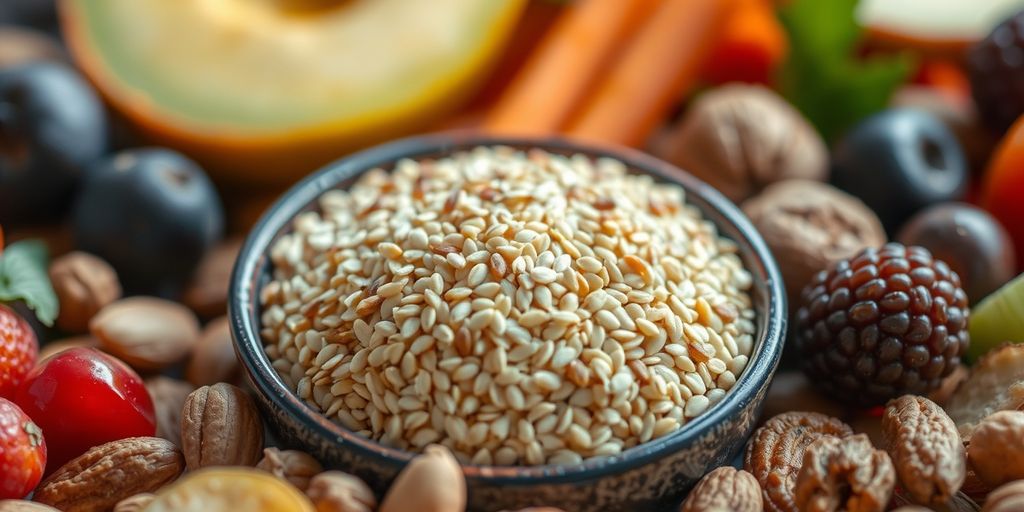
Sesame seeds are becoming a popular choice in the global health food market. Known for their rich nutritional profile and versatility, these tiny seeds are in high demand. This article explores the global sesame seed market, its health benefits, key industry players, and emerging trends.
Key Takeaways
- The global sesame seed market is expanding due to rising health consciousness and demand for plant-based diets.
- Major exporters of sesame seeds include countries like India, Sudan, and Nigeria, while North America is a significant importer.
- Sesame seeds offer numerous health benefits, including high protein, fiber, and essential vitamins and minerals.
- Market trends such as clean labeling, non-GMO, and organic foods are boosting the popularity of sesame seeds.
- Challenges like price volatility and weather-dependent crop yields impact the sesame seed market, but opportunities for growth remain strong.
Understanding the Global Sesame Seed Market
Market Size and Growth Projections
The global sesame seed market was valued at around USD 7.35 billion in 2022 and is estimated to reach USD 9.27 billion by 2032. This growth is driven by the increasing demand for healthy ingredients in diets, especially among the millennial population in North America and Europe. The market is projected to grow at a CAGR of 2.2% over the forecast period (2021-2025).
Key Exporting Countries
Several countries play a significant role in the global sesame seed market. The top exporting countries include:
- India
- Sudan
- Myanmar
- Tanzania
- Nigeria
These countries have favorable climates and conditions for sesame seed cultivation, making them major players in the market.
Major Importing Regions
The demand for sesame seeds is high in various regions around the world. The major importing regions include:
- North America
- Europe
- Asia-Pacific
In these regions, the growing popularity of ethnic dishes and the increasing awareness of the health benefits of sesame seeds contribute to the expanding demand.
The overview of global sesame seed market shows a promising future with significant growth opportunities, driven by health-conscious consumers and the rising demand for plant-based diets.
Health Benefits of Sesame Seeds
Nutritional Profile
Sesame seeds are packed with essential nutrients. They are rich in protein, healthy fats, dietary fiber, and vitamins such as B vitamins and vitamin E. Additionally, they contain important minerals like calcium, iron, and magnesium. This nutrient density makes them a valuable addition to any diet.
Role in Plant-Based Diets
For those following a plant-based diet, sesame seeds are an excellent source of protein and healthy fats. They can be used in various dishes, from salads to smoothies, providing a versatile way to boost nutritional intake. Sesame seeds are particularly beneficial for vegans and vegetarians who need to ensure they get enough protein and essential nutrients.
Health-Conscious Consumer Trends
The growing trend towards health-conscious eating has increased the popularity of sesame seeds. Consumers are increasingly drawn to foods that offer functional benefits, and sesame seeds fit this trend perfectly. They are known to help lower blood pressure and cholesterol levels, and their high antioxidant content supports overall health.
The magnesium and other nutrients in sesame seeds can prevent diabetes and improve plasma glucose levels in hypersensitive diabetics.
Key Players in the Sesame Seed Industry
Olam International
Olam International is a global agribusiness that sources, processes, and markets a wide range of agricultural commodities, including sesame seeds. Olam has a strong presence in the market, with operations in key producing and consuming countries around the world.
Dipasa USA, Inc.
Dipasa USA, Inc. is a major player in the sesame seed industry, known for its high-quality products. The company has a significant market share and is involved in both the processing and export of sesame seeds.
SunOpta and Other Major Companies
SunOpta is another key player, focusing on organic and non-GMO products. Other notable companies in the industry include Triangle Wholefoods, ETICO Group, Shyam Industries, and SHREEJI EXPELLER INDUSTRIES. These companies contribute significantly to the global sesame seed market, each bringing unique strengths and capabilities.
The sesame seed industry is diverse, with many companies playing crucial roles in different aspects of the market. From processing to exporting, these key players ensure a steady supply of high-quality sesame seeds to meet global demand.
Market Trends Influencing Sesame Seed Demand
Clean Label and Non-GMO Trends
Consumers are increasingly looking for products with clean labels and non-GMO ingredients. Sesame seeds fit perfectly into this trend as they are natural and minimally processed. This shift is driven by a growing preference for wholesome and functional foods.
Rising Popularity of Organic Foods
The demand for organic foods is on the rise globally. Sesame seeds, especially organic ones, are becoming more popular as people seek healthier and more sustainable options. This trend is particularly strong in North America and Europe, where health-conscious consumers are willing to pay a premium for organic products.
Impact of COVID-19 on Consumer Behavior
The COVID-19 pandemic has changed how people think about their diets. There is now a greater focus on health and wellness, leading to an increased demand for nutritious ingredients like sesame seeds. Despite initial disruptions in the supply chain, the market has seen a boost in sales, especially through online channels.
The global sesame market is experiencing dynamic shifts influenced by geopolitical events, weather conditions, and changing trade routes.
Challenges in the Sesame Seed Market
The sesame seed market faces several challenges that can impact its growth and stability. These challenges range from price volatility to competition from other seeds. Understanding these obstacles is crucial for stakeholders to navigate the market effectively.
Price Volatility
One of the most significant challenges in the sesame seed market is price volatility. Sesame seed prices can fluctuate due to various factors, including weather conditions and market demand. For instance, droughts or floods can severely impact crop yields, leading to a scarcity of sesame seeds and driving up prices. Conversely, a bountiful harvest can result in an oversupply, causing prices to drop. This instability makes it difficult for farmers and exporters to plan and manage their operations effectively.
Weather-Dependent Crop Yields
Sesame seed farming is highly dependent on weather conditions. Adverse weather events like droughts, floods, or unexpected frosts can drastically reduce crop yields. This dependency on weather makes sesame farming a risky venture, as poor weather can lead to significant financial losses. Additionally, climate change poses a long-term threat to the stability of sesame seed production.
Competition from Other Seeds
The sesame seed market also faces stiff competition from other seeds such as chia, flax, and sunflower seeds. These seeds often offer similar nutritional benefits and are sometimes more affordable or easier to cultivate. This competition can make it challenging for sesame seeds to maintain their market share, especially in regions where consumers are price-sensitive.
Navigating these challenges requires a strategic approach, including investment in weather-resistant crop varieties and effective market positioning to highlight the unique benefits of sesame seeds.
Opportunities for Growth in the Sesame Seed Market
Expansion in Emerging Economies
Emerging economies like China, India, Brazil, and Mexico present significant untapped opportunities for sesame seeds. With rising incomes and greater health awareness, consumers in these markets are willing to pay premium prices for high-quality organic food products. Companies can focus on expanding distribution networks by partnering with local retailers to tap into this demand. Targeted marketing highlighting health benefits can further drive adoption.
Innovations in Food Processing
The steady growth of the food processing industry globally presents lucrative prospects for sesame seeds. Changing lifestyles and demand for convenience foods are driving innovation in product categories like baked goods, Ready-to-Eat Meals (RTE meals), and snacks. Sesame oil and seeds are being increasingly incorporated into processed foods to enhance flavor and nutrition profile. Manufacturers can partner with food processing companies to supply sesame as an ingredient. Research and development (R&D) investments to develop sesame-based food formulations can provide a competitive edge.
Increasing Demand for Superfoods
Consumer health consciousness is playing a vital role in driving market expansion. Sesame seeds are high in protein, dietary fiber, healthy fats, vitamins, and minerals. Because of these nutritional benefits, sesame seeds are an excellent supplement to a well-balanced diet. Sesame seeds are increasingly being used in a variety of culinary applications, from baking and cooking to salad dressings and smoothies, as health-conscious customers seek natural and whole food alternatives.
The growing popularity of Asian cuisines worldwide will also boost demand for sesame seeds. Despite the recently strong fluctuation in value, positive growth is visible over a more extended period. This provides opportunities for sesame in new products, but it also confirms an increasing consumption of foreign ethnic products with sesame such as tahini, hummus, and sushi.
Regional Insights: North America
Market Size and Growth
The North American sesame seed market is experiencing steady growth. The demand for sesame seeds is driven by the increasing popularity of health foods and plant-based diets. The market size is expected to grow significantly over the next few years.
Consumer Preferences
Consumers in North America are becoming more health-conscious and are looking for nutritious and natural food options. Sesame seeds are favored for their rich nutritional profile and versatility in various dishes. The trend towards clean label and non-GMO products is also boosting the demand for sesame seeds.
Key Applications of Sesame Seeds
In North America, sesame seeds are used in a variety of applications, including:
- Baked goods
- Snacks
- Health supplements
- Culinary dishes
The use of sesame seed oil in wellness products is also on the rise, contributing to the overall market growth.
The North American sesame seed market is poised for growth, driven by health-conscious consumers and diverse applications in food and wellness products.
Exporting Sesame Seeds: Best Practices
Exporting sesame seeds can be a lucrative venture if done correctly. Here are some best practices to ensure success in the global market.
Quality Control and Standards
Maintaining high-quality standards is crucial. A direct purchase of sesame seeds from an agro-export company can reduce the stress of sourcing. Ensure that the seeds meet international quality standards, including cleanliness, moisture content, and purity. Regular inspections and certifications can help in maintaining these standards.
Efficient Supply Chain Management
An efficient supply chain is vital for timely delivery. This includes proper storage, handling, and transportation. Use advanced tracking systems to monitor shipments and avoid delays. Efficient supply chain management not only ensures timely delivery but also reduces costs.
Navigating Trade Regulations
Understanding and complying with trade regulations is essential. Different countries have different import requirements, so it’s important to stay updated on these regulations. This includes tariffs, import duties, and quality standards. Proper documentation and adherence to regulations can prevent delays and additional costs.
Exporting sesame seeds requires meticulous planning and adherence to quality and regulatory standards. By focusing on these best practices, exporters can ensure a smooth and profitable operation.
Sustainability and Ethical Considerations
Sustainable Farming Practices
Sustainable production of organic sesame seeds is an emerging trend, shaping supplier strategies. Environmentally friendly farming techniques like crop rotation, rainwater harvesting, intercropping, and conservation tillage are being adopted to improve soil health and ecosystem balance while reducing carbon footprint. Suppliers are partnering with farmers to provide training and resources on sustainable practices. Adoption of sustainability across the value chain enables suppliers to attract and retain environment-conscious consumers and food companies.
Fair Trade and Ethical Sourcing
Fair trade practices ensure that farmers receive fair compensation for their labor, promoting better living conditions and community development. Ethical sourcing involves transparency and accountability in the supply chain, ensuring that sesame seeds are produced without exploitation or unfair labor practices. Companies that prioritize fair trade and ethical sourcing can build trust with consumers who value social responsibility.
Environmental Impact
The influence of climate change on the sesame yield in north is significant. According to reports, the two biggest issues affecting the production of numerous crops, including sesame, are drought and inadequate irrigation water. Sustainable farming practices help mitigate these impacts by promoting water conservation and soil health. Additionally, reducing the carbon footprint through organic farming methods contributes to the overall environmental sustainability of sesame seed production.
Innovative Uses of Sesame Seeds
Culinary Applications
Sesame seeds are a versatile ingredient in the kitchen. They are often used as toppings on bakery products like bread, pastries, and cookies. In ethnic cuisines, they are a key ingredient in dishes such as tahini, hummus, and sushi. Culinary experts suggest creative ways to use sesame seeds, such as adding them to salad dressings, making spice blends, and mixing them into granola.
Sesame Seed Oil in Wellness Products
Sesame seed oil is highly valued in the wellness industry. It is used in skincare products due to its moisturizing properties and high content of vitamins and minerals. The oil is also popular in aromatherapy and massage oils, providing a soothing effect. The global sesame oil market is expected to grow significantly, driven by increasing health consciousness among consumers.
Emerging Food Trends Featuring Sesame
The popularity of sesame seeds is on the rise, especially in health-conscious markets. They are now featured in innovative snack options like sesame honey energy bars and ready-to-use tahini. The seeds are also being incorporated into plant-based and vegan products, aligning with current consumer trends towards natural and wholesome ingredients.
Future Outlook for the Sesame Seed Market
Predicted Market Trends
The global sesame seed market is expected to grow steadily. The market is projected to grow at a CAGR of 2.2% from 2021 to 2025. This growth is driven by the increasing demand for healthy ingredients, especially among millennials in North America and Europe. The rising popularity of superfoods is also boosting the market.
Technological Advancements
Advancements in food processing and hybrid seed development are likely to play a significant role in the market’s future. Innovations in these areas can lead to higher yields and better quality seeds, making sesame seeds more appealing to consumers.
Potential Market Disruptions
Several factors could disrupt the market. Price fluctuations and weather conditions can impact sesame seed production. Additionally, the ongoing COVID-19 pandemic has already caused disruptions in trade, affecting the market. However, the market is expected to recover and grow in the coming years.
The global sesame seed market was finally on the rise in 2022, ending a two-year declining trend. This positive shift is expected to continue, driven by health-conscious consumers and technological advancements.
In summary, the future of the sesame seed market looks promising, with steady growth, technological advancements, and potential challenges that need to be addressed.
The future of the sesame seed market looks bright, with increasing demand for healthy and organic foods. As more people become health-conscious, the need for high-quality sesame seeds is expected to grow. To stay ahead in this booming market, visit our website and explore our premium sesame seeds from Paraguay. Don’t miss out on the best deals and top-notch quality!
Conclusion
In conclusion, the global sesame seed market is on a promising trajectory, driven by the increasing demand for healthier and plant-based foods. As consumers become more health-conscious, the nutritional benefits of sesame seeds make them a popular choice in various culinary applications. Despite challenges such as price volatility and weather dependency, the market continues to grow, supported by trends like clean labeling and non-GMO preferences. The collaboration between major industry players and the rise in organic farming further bolster the market’s potential. As we look ahead, the sesame seed industry is poised to play a significant role in the global health food market, enriching diets and promoting wellness worldwide.
Frequently Asked Questions
What are the main health benefits of sesame seeds?
Sesame seeds are packed with nutrients like protein, fiber, healthy fats, B vitamins, and minerals such as calcium, magnesium, and iron. They help support a balanced diet and can aid in improving heart health, bone strength, and digestion.
Which countries are the largest exporters of sesame seeds?
The biggest exporters of sesame seeds are India, Sudan, Nigeria, Ethiopia, and Myanmar. These countries have favorable climates and conditions for growing sesame crops.
How has the COVID-19 pandemic affected the sesame seed market?
The pandemic had mixed effects. While there were disruptions in supply chains and distribution, the demand for sesame seeds increased as people looked for healthy, immune-boosting foods. Online sales of sesame products rose significantly during this time.
Why is there a growing demand for organic sesame seeds?
More people are becoming aware of the health risks linked to pesticides in conventional farming. Organic sesame seeds are grown without synthetic chemicals, making them a healthier choice. This trend aligns with the desire for natural and minimally processed foods.
What challenges does the sesame seed market face?
The market faces issues like price volatility, weather-dependent crop yields, and competition from other seeds. These factors can lead to fluctuations in supply and prices.
What are some popular uses of sesame seeds in food?
Sesame seeds are used in a variety of foods like hummus, snack bars, salad dressings, and ethnic dishes. They are also popular in baking and cooking for their nutty flavor and crunchy texture.
Who are the major players in the sesame seed industry?
Some of the key companies in the sesame seed market include Olam International, Dipasa USA, Inc., SunOpta, Triangle Wholefoods, and HL Agro Products. These companies are involved in the sourcing, processing, and marketing of sesame seeds globally.
What opportunities exist for growth in the sesame seed market?
There are several growth opportunities, such as expanding into emerging economies, innovations in food processing, and the increasing demand for superfoods. The trend towards plant-based and health-conscious eating also supports market expansion.