
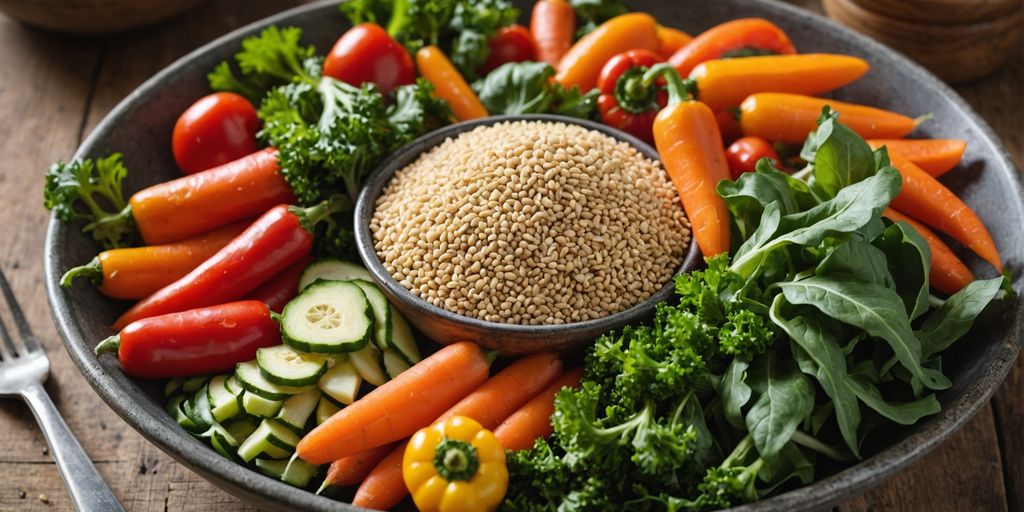
Organic sesame seeds are becoming a popular choice in the vegan market. They are packed with nutrients and offer many health benefits. Their versatility in cooking and sustainable sourcing make them an excellent option for health-conscious consumers.
Key Takeaways
- Organic sesame seeds are rich in protein, making them a great addition to vegan diets.
- Sustainable and ethical farming practices are important in the production of organic sesame seeds.
- Sesame seeds can be used in a variety of dishes, from salads to desserts.
- They offer numerous health benefits, including improved digestion and bone health.
- The demand for organic sesame seeds is growing due to the rise in plant-based diets.
Nutritional Benefits of Organic Sesame Seeds
Organic sesame seeds are a powerhouse of nutrition, making them an excellent addition to a vegan diet. They are packed with essential nutrients that support overall health and well-being.
High Protein Content
Organic sesame seeds are a great source of plant-based protein. This makes them an ideal choice for vegans looking to meet their daily protein needs. A single serving of sesame seeds can provide a significant amount of protein, helping to build and repair tissues in the body.
Rich in Essential Fatty Acids
These seeds are rich in essential fatty acids, including omega-3 and omega-6. These fatty acids are crucial for maintaining heart health and reducing inflammation. Including sesame seeds in your diet can help you get these important nutrients naturally.
Packed with Micronutrients
Organic sesame seeds are packed with essential micronutrients like calcium, magnesium, phosphorus, and zinc. These minerals are crucial for bone health, immune function, and overall vitality. Adding sesame seeds to your meals can help you meet your daily micronutrient needs effortlessly.
Incorporating organic sesame seeds into your diet can provide numerous health benefits, making them a valuable addition to any vegan meal plan.
Sustainable and Ethical Sourcing of Sesame Seeds
Importance of Fair Trade Practices
Fair trade practices are essential to ensure that farmers receive a fair price for their crops. This helps improve their living conditions and supports local communities. Fair trade also promotes better working conditions and sustainable farming methods.
Environmental Impact of Sesame Farming
Sesame farming can have a significant impact on the environment. Sustainable farming practices, such as crop rotation and organic farming, help reduce this impact. These methods conserve water, maintain soil health, and reduce the use of harmful chemicals.
Certifications and Standards
Certifications like Fair Trade and USDA Organic are important for consumers who want to make ethical choices. These certifications ensure that the sesame seeds are produced using sustainable methods and that farmers are treated fairly. Certifications also help consumers identify products that meet high standards of quality and sustainability.
The company partners with trusted farmers who follow sustainable agricultural practices, ensuring the production of sesame seeds free from harmful chemicals.
Culinary Uses of Organic Sesame Seeds
Incorporating Sesame Seeds in Vegan Recipes
Organic sesame seeds are incredibly versatile and can be used in a variety of vegan recipes. They add a rich, nutty flavor to dishes and can be used whole, ground, or as a paste like tahini. You can sprinkle them on salads, stir-fries, and even smoothies for an extra nutritional boost. They are also a staple in many Asian cuisines, known for their rich, nutty flavor and numerous health benefits.
Popular Dishes Featuring Sesame Seeds
Sesame seeds are a key ingredient in many popular dishes. In Middle Eastern cuisine, they are used to make tahini, a creamy paste that is a base for hummus and other dips. In Asian cuisine, black sesame seeds are often used to enhance the appearance and flavor of curries and pastries. They are also used in sushi rolls, giving them a unique texture and taste.
Sesame Seeds in Baking and Desserts
Baking with sesame seeds can add a delightful crunch and flavor to your goods. They are commonly used in bread, buns, and crackers. You can also find them in sweet treats like sesame cookies and sesame brittle. For a unique twist, try adding them to your next batch of homemade granola or energy bars.
Organic sesame seeds are not just a garnish; they are a powerhouse of flavor and nutrition that can elevate any dish.
Incorporating these seeds into your cooking not only enhances the taste but also adds a nutritional punch, making your meals both delicious and healthy.
Health Benefits for Vegans
Supporting Digestive Health
Organic sesame seeds are a great source of dietary fiber, which helps keep your digestive system running smoothly. Adding a handful of sesame seeds to your meals can help maintain optimal digestion and prevent issues like constipation. High fiber content in these seeds also supports a healthy gut microbiome.
Boosting Bone Health
Sesame seeds are rich in calcium, magnesium, and zinc, all of which are essential for strong bones. For vegans, who might miss out on these nutrients from animal products, sesame seeds are a fantastic alternative. Regular consumption can help support bone density and overall skeletal health.
Enhancing Skin and Hair
The essential fatty acids and vitamins found in sesame seeds can do wonders for your skin and hair. These nutrients help keep your skin hydrated and can reduce signs of aging. Additionally, the minerals in sesame seeds support healthy hair growth and can make your hair look shinier and stronger.
Including organic sesame seeds in your diet can provide numerous health benefits, making them a valuable addition to any vegan meal plan.
Market Trends Driving Demand
Rise of Plant-Based Diets
The rise of plant-based and vegan diets is a major trend benefiting the organic sesame seed market. As more people adopt these diets for health, ethical, or environmental reasons, the demand for nutrient-dense, plant-based ingredients is increasing. Organic sesame seeds are a valuable source of plant-based protein and essential fatty acids, making them a popular choice for vegans and vegetarians. They are used in a variety of plant-based products, including dairy alternatives like sesame milk, spreads like tahini, and as a topping for salads and bowls.
Consumer Awareness of Health Benefits
One of the most significant trends driving the organic sesame seed market is the growing consumer preference for organic and health foods. With increasing awareness about the health benefits of organic products, more consumers are seeking foods that are free from pesticides, genetically modified organisms (GMOs), and synthetic fertilizers. Sesame seeds, known for their high protein, fiber, and healthy fat content, are being embraced by health-conscious consumers. The demand for organic sesame seeds is also fueled by their use in various health food products such as snacks, bars, and supplements.
Growth in Organic Food Market
The organic food market is experiencing notable growth, driven by increasing consumer demand for healthier and sustainably produced food products. Organic sesame seeds are prized for their nutritional benefits, culinary versatility, and use in various industries. Here are the top five trends currently shaping the organic sesame seed market:
- Rising Consumer Demand for Organic and Health Foods
- Expansion of Plant-Based and Vegan Diets
- Growth in Sustainable and Ethical Sourcing Practices
- Innovation in Product Development
- Increasing Popularity in Culinary Applications
The trend has created substantial opportunities for the tahini market, particularly for products made from organic, non-GMO sesame seeds. Organic tahini aligns with the growing consumer demand for clean, healthy, and ethically produced food products.
Innovative Sesame Seed Products
Sesame-Based Snacks
Organic sesame seeds are being used to create a variety of sesame-based snacks. These snacks are not only delicious but also packed with nutrients, making them a popular choice for health-conscious consumers. From sesame seed bars to roasted sesame snacks, the options are endless.
Dairy Alternatives like Sesame Milk
One of the most exciting innovations is the development of dairy alternatives such as sesame milk. This plant-based milk is a great option for those who are lactose intolerant or following a vegan diet. It is rich in essential fatty acids and provides a creamy texture that is perfect for smoothies, cereals, and coffee.
Sesame Seed Supplements
Sesame seed supplements are gaining popularity as a convenient way to incorporate the benefits of sesame seeds into one’s diet. These supplements are available in various forms, including capsules and powders, and are known for their high content of plant-based protein and other essential nutrients.
The versatility of organic sesame seeds is driving innovation in the food industry, offering new and exciting products for the growing global vegan market.
How to Store and Use Organic Sesame Seeds
Proper Storage Techniques
To keep your organic sesame seeds fresh, store sesame seeds in an airtight container in a cool, dark place. For longer shelf life, you can refrigerate or freeze them. This helps maintain their flavor and nutritional value.
Maximizing Shelf Life
To maximize the shelf life of your sesame seeds, ensure they are kept dry and away from direct sunlight. Proper storage can extend their usability for up to two years. Always check for any signs of spoilage before use.
Creative Uses in Everyday Cooking
Organic sesame seeds are incredibly versatile in the kitchen. Here are some creative ways to use them:
- Sprinkle on salads for a nutty crunch.
- Add to smoothies for an extra boost of nutrients.
- Use in baking for a unique flavor in bread and cookies.
- Incorporate into stir-fries and other savory dishes.
- Make homemade tahini or sesame milk.
Sesame seeds are a fantastic addition to both sweet and savory recipes, enhancing the taste and nutritional profile of your meals.
Comparing Sesame Seeds to Other Seeds
Nutritional Comparison
When comparing sesame seeds to other seeds, it’s clear that they offer a unique set of nutrients. Sesame seeds are rich in calcium, protein, and essential fatty acids. For instance, an ounce of sesame seeds contains about 4.7 grams of protein. This makes them a great choice for those looking to boost their protein intake. In contrast, chia seeds are known for their high omega-3 fatty acid content, while flaxseeds are celebrated for their fiber.
Culinary Versatility
Sesame seeds are incredibly versatile in the kitchen. They can be used in a variety of dishes, from savory to sweet. You can sprinkle them on salads, use them in baking, or even make tahini. Unlike the hulled variety, refined sesame seeds are whiter and shinier, making them a popular choice for garnishing. On the other hand, sunflower seeds are often used in trail mixes and as a topping for cereals, while pumpkin seeds are commonly roasted and salted for a tasty snack.
Cost and Availability
When it comes to cost and availability, sesame seeds are generally affordable and easy to find. They are available in most grocery stores and come in various packaging options, from small bags to bulk quantities. In comparison, chia seeds and flaxseeds can be a bit more expensive and might not be as readily available in all stores. However, the growing demand for plant-based foods has made these seeds more accessible than ever before.
Discover the differences between hulled and unhulled sesame seeds, their uses, and benefits in cooking and baking. Learn which type is best for your needs.
Consumer Preferences and Buying Trends
Popular Packaging Options
Consumers today are looking for packaging that is both convenient and eco-friendly. Popular packaging options include resealable bags, glass jars, and biodegradable containers. These choices not only keep the sesame seeds fresh but also align with the growing trend of sustainability.
Buying Organic vs. Conventional
When it comes to sesame seeds, many consumers prefer organic over conventional. Organic sesame seeds are free from pesticides and GMOs, making them a healthier choice. This preference is driven by the increasing awareness of the health benefits of organic products.
Trends in Online and In-Store Purchases
The way people buy sesame seeds is changing. More consumers are shopping online for their groceries, including sesame seeds. This shift is due to the convenience and variety offered by online stores. However, in-store purchases remain popular for those who prefer to see and feel the product before buying.
The organic sesame seed market is experiencing notable growth, driven by increasing consumer demand for healthier and sustainably produced food products.
The rise of plant-based and vegan diets is another major trend benefiting the organic sesame seed market. As more people adopt these diets for health, ethical, or environmental reasons, the demand for nutrient-dense, plant-based ingredients is increasing. Organic sesame seeds are a valuable source of plant-based protein and essential fatty acids, making them a popular choice for vegans and vegetarians. They are used in a variety of plant-based products, including dairy alternatives like sesame milk, spreads like tahini, and as a topping for salads and bowls.
The Future of Organic Sesame Seeds in the Vegan Market
Predicted Market Growth
The market for organic sesame seeds is expected to grow significantly in the coming years. Rising consumer demand for healthier and sustainably produced food products is a major driver. As more people adopt plant-based diets, the need for nutrient-dense ingredients like organic sesame seeds will continue to rise. These seeds are a valuable source of plant-based protein and essential fatty acids, making them a popular choice for vegans and vegetarians.
Potential Challenges and Solutions
Despite the promising growth, there are challenges that the organic sesame seed market may face. One of the main issues is the environmental impact of sesame farming. Sustainable farming practices are essential to minimize this impact. Additionally, ensuring fair trade practices can help support the livelihoods of farmers. Certifications such as Fair Trade and USDA Organic are becoming important marketing tools to attract conscientious consumers.
Innovations on the Horizon
Innovation in product development is driving the growth of the organic sesame seed market. Companies are exploring new ways to incorporate organic sesame seeds into a variety of products to cater to evolving consumer tastes and preferences. From sesame-based snacks and condiments to bakery products and health supplements, the versatility of sesame seeds is being leveraged to create innovative and appealing products. This trend is not only expanding the market but also enhancing the value proposition of organic sesame seeds as a multifunctional ingredient.
The future of organic sesame seeds in the vegan market looks bright. As more people choose plant-based diets, the demand for high-quality, organic ingredients is growing. Our sesame seeds from Paraguay are perfect for health-conscious consumers. They are rich in nutrients and sustainably sourced. Visit our website to learn more about our premium sesame seeds and how they can enhance your meals.
Conclusion
In summary, organic sesame seeds are becoming a staple in the vegan market due to their rich nutritional profile and versatility in cooking. As more people turn to plant-based diets for health and ethical reasons, the demand for these tiny seeds continues to grow. They are not only a great source of protein and essential fats but also fit well into various dishes, from salads to desserts. With the added focus on sustainable and ethical farming practices, organic sesame seeds are set to remain a popular choice for health-conscious and environmentally aware consumers. The future looks bright for this humble seed, promising continued innovation and expansion in the market.
Frequently Asked Questions
What are the nutritional benefits of organic sesame seeds?
Organic sesame seeds are rich in protein, essential fatty acids, and micronutrients like calcium, magnesium, and iron. They help in boosting bone health, supporting digestion, and improving skin and hair.
How are organic sesame seeds sustainably sourced?
Organic sesame seeds are grown using sustainable farming practices that protect the environment and support farmers’ livelihoods. Many producers follow fair trade practices and obtain certifications like USDA Organic and Fair Trade.
Can I use sesame seeds in vegan recipes?
Yes, sesame seeds are very versatile and can be used in a variety of vegan recipes. You can sprinkle them on salads, use them in baking, or make tahini and sesame milk.
What are some popular dishes that feature sesame seeds?
Popular dishes include hummus, sesame noodles, sushi, and various baked goods like sesame seed bread and cookies. They are also used as a topping for salads and bowls.
How should I store organic sesame seeds?
Store organic sesame seeds in a cool, dark, and dry place. To maximize their shelf life, you can also refrigerate them. Proper storage can keep them fresh for up to two years.
Are there any innovative products made from sesame seeds?
Yes, there are many innovative products like sesame-based snacks, sesame milk, and sesame seed supplements. These products cater to the growing demand for plant-based and healthy options.
How do organic sesame seeds compare to other seeds?
Organic sesame seeds are nutritionally dense, offering high levels of protein and essential fats. They are versatile in cooking and often more affordable compared to other seeds like chia or flaxseeds.
Why are sesame seeds popular among vegans?
Sesame seeds are popular among vegans because they are a great source of plant-based protein and other essential nutrients. They help in meeting nutritional needs without animal products.