
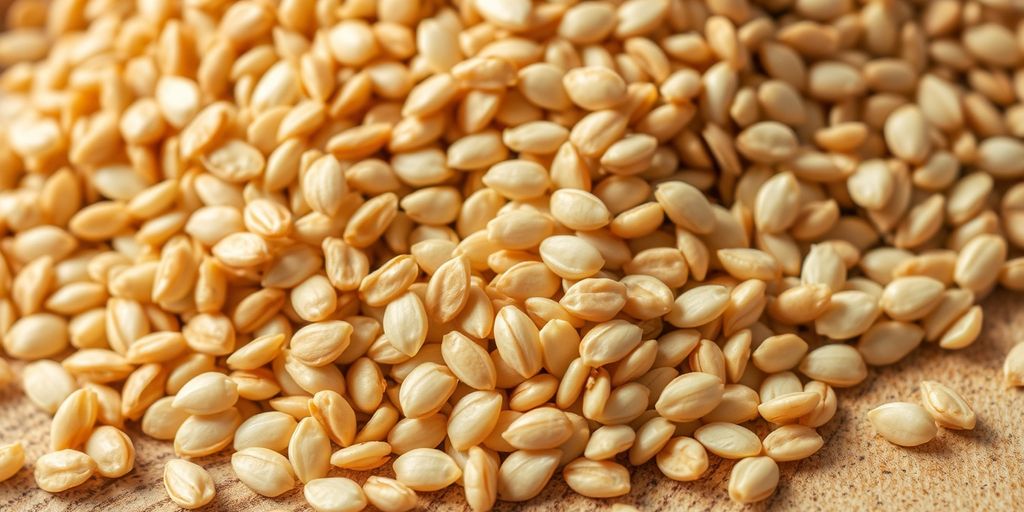
Sesame seeds are a small but mighty ingredient in the food industry, known for their rich flavor and numerous health benefits. Whether used in cooking oils, baked goods, or innovative snacks, high-quality sesame seeds can elevate any dish. This article explores the many facets of sesame seeds, from sourcing and nutritional benefits to their various applications and economic impact.
Key Takeaways
- High-quality sesame seeds are sourced from trusted global farms and processed to meet industry standards.
- Sesame seeds are rich in essential minerals, healthy fats, and plant-based protein, making them a nutritious addition to many foods.
- They are widely used in cooking oils, bakery products, snacks, and tahini production, adding flavor and health benefits to these products.
- Proper storage conditions are crucial for maintaining the freshness and quality of sesame seeds.
- The sesame seed industry has a significant economic impact, benefiting farmers and contributing to global market trends.
Sourcing High-Quality Sesame Seeds for the Food Industry
Global Regions Known for Premium Sesame Seeds
Sesame seeds are sourced from various regions around the world, each known for producing seeds with unique qualities. India, Mexico, and Guatemala are primary suppliers for the U.S. market. These regions are ideal due to their hot and dry conditions, which are perfect for growing sesame. India is particularly renowned for its high-quality sesame seeds, offering both organic and conventional varieties.
Sustainable Farming Practices
Sustainable farming practices are crucial for producing high-quality sesame seeds. Farmers use methods that conserve water and soil, ensuring long-term productivity. Crop rotation and organic farming are common practices that help maintain soil health and reduce the need for chemical fertilizers and pesticides. This not only benefits the environment but also results in healthier, more nutritious seeds.
Certifications and Standards
To ensure the highest quality, sesame seeds must meet various certifications and standards. These include organic certifications, non-GMO verification, and food safety standards like HACCP and ISO. Meeting these standards guarantees that the seeds are free from contaminants and are safe for consumption. Certifications also help in building consumer trust and expanding market reach.
Nutritional Benefits of Sesame Seeds
Rich in Essential Minerals
Sesame seeds are packed with essential minerals. They are a great source of calcium, manganese, phosphorus, zinc, magnesium, iron, and vitamin B1. These minerals are crucial for various bodily functions, including bone health and energy production. Additionally, sesame seeds are a source of essential minerals like potassium (K), phosphorus (P), magnesium (Mg), calcium (Ca), and sodium (Na).
High in Healthy Fats
These tiny seeds are rich in healthy fats, particularly polyunsaturated fats. These fats are beneficial for heart health and can help lower bad cholesterol levels. Including sesame seeds in your diet can contribute to a balanced intake of healthy fats.
Source of Plant-Based Protein
For those following a vegetarian or vegan diet, sesame seeds are an excellent source of plant-based protein. They provide the necessary amino acids that the body needs for muscle repair and growth. Incorporating sesame seeds into meals can help meet daily protein requirements.
Sesame seeds are not only nutritious but also versatile, making them a valuable addition to a healthy diet.
Applications of Sesame Seeds in Cooking Oils
Enhancing Flavor Profiles
Sesame seed oil is known for its mild, sweet, and nutty flavor. This makes it a popular choice for enhancing the taste of various dishes. When used in cooking, it can add a rich and unique flavor to stir-fries, marinades, and dressings. The oil’s ability to withstand high heat also makes it ideal for frying and sautéing.
Nutritional Advantages
Sesame seed oil is not just about flavor; it also offers numerous health benefits. It is rich in healthy fats and contains antioxidants that can help reduce inflammation. Additionally, the oil is a good source of vitamin E, which is beneficial for skin health. Incorporating sesame seed oil into your diet can contribute to overall well-being.
Popular Culinary Uses
Sesame seed oil is widely used in various cuisines around the world. In Asian-inspired dishes, it is often used to add depth and complexity to flavors. It is also a staple in Middle Eastern cooking, where it is used in dishes like hummus and tahini. The oil’s versatility makes it a valuable ingredient in both savory and sweet recipes.
Sesame seeds and olive oil are popular in the world of cooking oils. Both sesame seed oil and olive oil provide special health benefits and culinary uses.
Sesame Seeds in Bakery Products
Adding Crunch and Flavor
Sesame seeds are a popular choice for adding a lovely, crunchy, and nutty taste to baked goods. Whether sprinkled on top of bread, bagels, or buns, they enhance both the flavor and texture. Hulled sesame seeds, in particular, are favored for their ability to blend seamlessly into various recipes, making them a versatile ingredient in the bakery industry.
Common Bakery Applications
In the world of baking, sesame seeds are used in a variety of ways:
- Bread and Rolls: Sesame seeds are often sprinkled on top of bread and rolls before baking to add a delightful crunch.
- Bagels and Buns: These seeds are a classic topping for bagels and buns, providing a nutty flavor that complements the dough.
- Pastries and Cookies: Incorporating sesame seeds into pastries and cookies can add a unique texture and taste.
Health Benefits in Baked Goods
In addition to their flavor and texture, sesame seeds offer several health benefits when included in baked goods. They are a good source of plant-based protein, essential minerals, and healthy fats. This makes them an excellent choice for health-conscious consumers looking to enjoy tasty yet nutritious baked products.
Discover the differences between hulled and unhulled sesame seeds, their uses, and benefits in cooking and baking. Learn which type is best for your needs.
By incorporating sesame seeds into your bakery products, you can elevate the quality and appeal of your offerings, making them a favorite among customers.
Innovative Uses of Sesame Seeds in Snacks
Incorporating Roasted Sesame Seeds
Roasted sesame seeds are a fantastic way to add a nutty flavor and crunch to snacks. Culinary experts suggest creative ways to use sesame seeds, such as adding them to salad dressings, making spice blends, and mixing them into granola. These seeds can be sprinkled on top of crackers or mixed into dough for a delightful texture.
Creating Nutritious Snack Bars
Sesame seeds are a great addition to snack bars, providing both flavor and nutrition. They are rich in essential minerals and healthy fats, making them a perfect ingredient for energy bars. Mixing sesame seeds with oats, honey, and dried fruits can create a delicious and healthy snack option.
Flavorful Additions to Trail Mixes
Adding sesame seeds to trail mixes can enhance the flavor and nutritional value. They pair well with nuts, dried fruits, and even chocolate chips. This combination not only tastes great but also provides a boost of energy, making it an ideal snack for outdoor activities.
Sesame seeds are a versatile ingredient that can elevate the taste and nutritional profile of various snacks. Embrace their potential to create innovative and healthy snack options.
The Role of Sesame Seeds in Tahini Production
Key Ingredient in Tahini
Tahini, also known as tahina, is a paste made almost entirely from ground sesame seeds. Without sesame seeds, we wouldn’t have tahini. The seeds are toasted to enhance their flavor before being ground into a smooth paste. This process is what gives tahini its rich, nutty taste.
Versatile Culinary Uses
Tahini is a versatile ingredient used in many dishes. It can be found in sauces, dips, and dressings. One popular use is in hummus, where tahini is the second main ingredient. You can also use tahini in salad dressings, marinades, and even desserts.
Health Benefits of Tahini
Tahini is not just tasty; it’s also packed with nutrients. It is rich in healthy fats, proteins, and essential minerals. Including tahini in your diet can provide numerous health benefits, making it a nutritious addition to various meals.
Tahini is a key ingredient in many recipes, offering both flavor and nutritional benefits. Its versatility makes it a staple in kitchens around the world.
Ensuring Quality and Safety in Sesame Seed Processing
Cleaning and Sorting Processes
To ensure the highest quality, sesame seeds undergo rigorous cleaning and sorting processes. This involves removing impurities and ensuring proper handling. Advanced machinery is used to separate the seeds from unwanted materials, enhancing food safety and reducing the risk of contamination.
Avoiding Contaminants
Maintaining a contaminant-free environment is crucial. Processing facilities must adhere to strict hygiene standards to prevent any form of contamination. Regular inspections and quality checks are conducted to ensure that the seeds remain pure and safe for consumption.
Meeting Industry Standards
Sesame seed processing must comply with various industry standards and certifications. These standards ensure that the seeds are processed in a manner that meets food safety regulations. Compliance with these standards not only guarantees the quality of the seeds but also builds trust with consumers and partners.
Ensuring the quality and safety of sesame seeds is a continuous process that requires attention to detail and adherence to strict guidelines. By following these practices, manufacturers can provide high-quality sesame seeds that are safe and nutritious for consumers.
Storing Sesame Seeds for Maximum Freshness
To keep sesame seeds fresh and maintain their quality, it’s crucial to store them properly. Proper storage can significantly extend their shelf life and preserve their flavor and nutritional value.
Exploring Global Cuisines with Sesame Seeds
Sesame seeds are used in a variety of dishes and cuisines worldwide. These tiny seeds add a unique flavor and texture to many traditional recipes, making them a staple in kitchens around the globe.
Economic Impact of Sesame Seed Production
Global Market Trends
Sesame is one of the oil crops with high economic value. Its production is becoming more pronounced in many parts of the world and gaining more ground among farmers. The global market for sesame seeds has seen significant growth due to increasing demand in the food industry. Asia is the world’s largest consumer of sesame seeds, driving much of this demand. The market is also expanding in regions like North America and Europe, where sesame-based products are becoming more popular.
Economic Benefits for Farmers
Farmers who grow sesame seeds can benefit economically in several ways. Sesame seeds are a high-value crop, providing a good return on investment. They are relatively easy to grow and can be cultivated in various climates, making them accessible to farmers in different regions. Additionally, the growing demand for organic and sustainably farmed sesame seeds offers farmers the opportunity to charge premium prices.
Challenges in the Industry
Despite the economic benefits, there are challenges in the sesame seed industry. One major issue is the fluctuation in market prices, which can affect farmers’ income stability. Another challenge is meeting the quality and safety standards required by international markets. Farmers must also deal with environmental factors such as droughts and pests, which can impact crop yields.
The economic impact of sesame seed production is significant, offering both opportunities and challenges for farmers worldwide.
Allergen Considerations for Sesame Seeds
FDA Regulations
As of 2023, sesame seeds are recognized as an allergen by the FDA. This means that food manufacturers must clearly label products containing sesame to inform consumers. Proper labeling helps those with allergies avoid potential health risks.
Preventing Cross-Contamination
Sesame seeds are tiny and can easily mix with other foods. To prevent cross-contamination, it’s crucial to handle sesame seeds with care. This includes using separate equipment and cleaning thoroughly between uses.
Labeling and Consumer Awareness
Educating consumers about the presence of sesame in food products is essential. Clear and visible labels can help consumers make informed choices and avoid allergens. Additionally, raising awareness about the potential risks of sesame allergies can lead to better safety practices in the food industry.
It’s important to note that sesame seeds differ from other common allergens like eggs, peanuts, and shellfish because the seeds are teeny tiny and hard to keep track of.
Sesame seeds can be a hidden allergen for many people. If you or someone you know has a sesame allergy, it’s important to be aware of the risks. For more detailed information and tips on how to manage sesame allergies, visit our website. We offer a range of resources to help you stay safe and informed.
Conclusion
In conclusion, high-quality sesame seeds are a versatile and valuable ingredient for the food industry. They enhance the flavor, texture, and nutritional value of a wide range of products, from baked goods to cooking oils and snacks. By sourcing the best sesame seeds, businesses can meet the growing demand for healthy and delicious food options. Whether you’re a food manufacturer, a restaurant owner, or a home cook, incorporating premium sesame seeds into your recipes can elevate your culinary creations and delight your customers. So, embrace the benefits of high-quality sesame seeds and unlock new possibilities in your kitchen.
Frequently Asked Questions
What are the best regions for sourcing high-quality sesame seeds?
Some of the top regions known for producing high-quality sesame seeds include India, Mexico, and Guatemala. These areas have the ideal climate and conditions for growing premium sesame seeds.
Why are sustainable farming practices important for sesame seed production?
Sustainable farming practices help maintain soil health and reduce environmental impact. They ensure that sesame seeds are grown responsibly, benefiting both the environment and local communities.
What certifications should I look for when buying sesame seeds?
Look for certifications like USDA Organic, ISO 9001:2008, and FSSC 22000. These certifications ensure that the sesame seeds meet high standards for quality and safety.
What nutritional benefits do sesame seeds offer?
Sesame seeds are rich in essential minerals like calcium and magnesium. They are also high in healthy fats and a good source of plant-based protein, making them a nutritious addition to any diet.
How are sesame seeds used in cooking oils?
Sesame seeds are pressed to extract sesame oil, which is used in cooking to enhance flavor. Sesame oil adds a rich, nutty taste to dishes and offers nutritional benefits like healthy fats.
What are common uses of sesame seeds in bakery products?
In bakery products, sesame seeds are often used as toppings for bread, bagels, and buns. They add a crunchy texture and a nutty flavor, making baked goods more delicious.
How should I store sesame seeds to keep them fresh?
Store sesame seeds in an airtight container in a cool, dark place. For longer shelf life, you can also keep them in the refrigerator or freezer. Proper storage helps maintain their freshness and flavor.
Are sesame seeds a common allergen?
Yes, sesame seeds are considered a common allergen. As of 2023, they are recognized by the FDA as an allergen. It’s important to handle them carefully to avoid cross-contamination.