
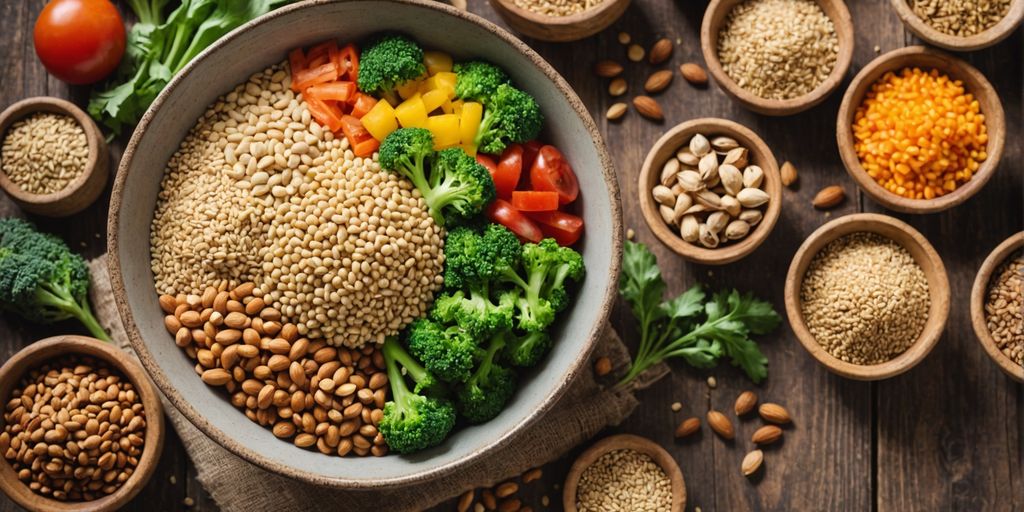
Sesame seeds are gaining traction in the health food industry due to their numerous health benefits and versatile culinary uses. As global demand for natural and nutritious foods rises, sesame seeds have emerged as a popular choice for health-conscious consumers. This article explores the potential of exporting sesame seeds, highlighting key markets, applications, and strategies for success.
Key Takeaways
- Sesame seeds are in high demand due to their health benefits and culinary versatility.
- Key markets for exporting sesame seeds include Asia, the Middle East, Europe, and North America.
- The health food industry uses sesame seeds in plant-based diets and various health food products.
- Quality standards and certifications are crucial for successful sesame seed export.
- Exporters face challenges like trade regulations, supply chain issues, and allergen concerns.
Understanding the Global Demand for Sesame Seeds
Health Benefits Driving Popularity
The global shift towards healthier lifestyles and plant-based diets has fueled the demand for sesame seeds. As people become more conscious of their food choices, sesame seeds have emerged as a valuable ingredient due to their natural nutritional composition. They serve as an excellent plant-based protein source for vegetarians and vegans, making them a sought-after ingredient in plant-based meat alternatives, energy bars, and protein powders.
Culinary Versatility of Sesame Seeds
The increasing globalization of food culture has also contributed to the rising demand for sesame seeds. As consumers explore diverse culinary traditions, sesame seeds have become a staple ingredient in various international cuisines. Middle Eastern tahini, Asian sesame oil, and African halva are just a few examples of how sesame seeds are incorporated into traditional dishes worldwide. This widespread adoption of sesame seeds in different cuisines has opened new markets and opportunities for exporters.
Market Trends and Consumer Preferences
In recent years, there has been a growing consumer preference for clean label and organic products. Sesame seeds naturally align with this trend as they are typically free from additives and preservatives. Moreover, the demand for organic sesame seeds has witnessed a significant upswing due to their perceived health benefits and environmental sustainability. Exporters who can cater to this niche market segment have the potential to tap into a high-value customer base.
Key Markets for Exporting Sesame Seeds
Asian Markets: China, Japan, and India
Sesame seeds are a vital part of the culinary heritage of many Asian countries, such as China, Japan, and India. Exporters are aggressively targeting these markets by promoting the superiority and adaptability of their sesame seeds. Growing demand and consumption in these regions ensure a steady market for high-quality sesame products. Establishing strong connections with clients and building long-term partnerships can help businesses establish a trustworthy market presence.
Middle Eastern Markets
The Middle East offers tremendous room for development and growth for sesame exporters. Countries in this region have a rich tradition of using sesame seeds in various dishes, such as tahini and halva. By understanding regional culinary traditions and offering high-quality products, exporters can successfully enter these markets and expand their global presence. The region’s strong domestic consumption is complemented by robust export activities, supplying sesame seeds to markets worldwide.
Emerging Markets in Europe and North America
In recent years, there has been a growing consumer preference for clean label and organic products in Europe and North America. Sesame seeds naturally align with this trend as they are typically free from additives and preservatives. Moreover, the demand for organic sesame seeds has witnessed a significant upswing due to their perceived health benefits and environmental sustainability. Exporters who can cater to this niche market segment have the potential to tap into a high-value customer base. Additionally, investing in state-of-the-art processing and packaging facilities will enhance the value proposition and attract discerning buyers.
Health Food Industry Applications of Sesame Seeds
Sesame Seeds in Plant-Based Diets
Sesame seeds are a high-quality plant-based protein source, making them a valuable addition to vegan and vegetarian diets. They are often used in products like tahini, hummus, and even innovative snacks like sesame milk. The seeds’ rich nutritional profile, including essential minerals like calcium and magnesium, makes them a popular choice for those seeking healthy, natural ingredients.
Nutritional Benefits for Health-Conscious Consumers
Sesame seeds are packed with nutrients that appeal to health-conscious consumers. They contain healthy fats, vitamins, and minerals that support overall well-being. The seeds are also known for their high protein content, comparable to that of chicken eggs, which is particularly beneficial for those looking to increase their protein intake without consuming animal products.
Incorporation in Health Food Products
Sesame seeds are widely used in various health food products. They can be found as toppings on salads, in whole-grain breads, and cereals. The seeds are also a common ingredient in snacks, energy bars, and dairy alternatives. Their versatility and nutritional benefits make them a staple in the health food industry, catering to the growing demand for natural and wholesome ingredients.
The increasing application of sesame seeds in the health food industry highlights their importance as a functional ingredient, offering both nutritional and culinary benefits.
Quality Standards and Certifications for Sesame Seed Export
Importance of Organic Certification
To export sesame seeds, you may need various certifications. One of the most important is organic certification, which assures buyers that the product is free of chemical residues. This certification is especially crucial for entering the European market, where consumers increasingly prefer organic food products. To comply with European legislation, producers must follow strict organic production methods and undergo rigorous inspections.
Adhering to International Quality Standards
Meeting international quality standards is essential for exporting sesame seeds. These standards ensure that the seeds are safe and suitable for human consumption. Key quality indicators include:
- Purity levels
- Oil content
- Moisture content
- Absence of foreign materials
For example, premium-grade sesame seeds must have a purity level of 99% and an oil content of over 50%.
Ensuring Contamination-Free Shipments
Food safety is a top priority for sesame seed exporters. To meet safety standards, exporters must ensure that their products are free from contaminants like pesticides, heavy metals, and microbes such as salmonella. Implementing the Hazard Analysis Critical Control Point (HACCP) system can help in maintaining these standards. Failure to comply can result in stricter controls or even temporary bans on imports from your country.
Ensuring contamination-free shipments is not just about meeting regulations; it’s about building trust with your buyers and maintaining your reputation in the global market.
Processing and Packaging for Export
State-of-the-Art Processing Techniques
Processing sesame seeds involves several steps to ensure they meet export quality standards. These steps include cleaning, hulling, roasting, and grinding. Advanced machinery is often used to automate these processes, ensuring consistency and efficiency. The use of modern technology helps in maintaining the nutritional value of the seeds while preparing them for various applications.
Innovative Packaging Solutions
Packaging plays a crucial role in the export business. Innovative packaging solutions not only protect the sesame seeds from contamination but also extend their shelf life. Vacuum-sealed bags, airtight containers, and eco-friendly packaging materials are some of the popular choices. Proper packaging ensures that the seeds remain fresh and retain their nutritional value during transit.
Maintaining Freshness and Nutritional Value
To maintain the freshness and nutritional value of sesame seeds, it is essential to store them in a cool, dry place. Temperature-controlled storage facilities are often used to prevent the seeds from becoming rancid. Additionally, packaging should be designed to protect the seeds from moisture and light, which can degrade their quality over time.
Ensuring the quality of sesame seeds from processing to packaging is vital for successful export. By adopting state-of-the-art techniques and innovative packaging solutions, exporters can meet international standards and deliver high-quality products to global markets.
Challenges in Exporting Sesame Seeds
Exporting sesame seeds can be a lucrative business, but it comes with its own set of challenges. Understanding these hurdles is crucial for anyone looking to enter this market.
Navigating Trade Regulations
One of the primary challenges is navigating the complex trade regulations. Different countries have different rules and requirements for importing agricultural products. Ensuring compliance with these regulations is essential to avoid delays and penalties.
Managing Supply Chain Issues
Supply chain issues can also pose significant challenges. From the farm to the final destination, sesame seeds must be handled carefully to maintain their quality. Any disruption in the supply chain can lead to delays and increased costs.
Addressing Allergen Concerns
Sesame seeds are a common allergen, and this can be a major concern for exporters. Proper labeling and packaging are essential to ensure that consumers are aware of the potential allergen. This is particularly important in markets with strict food safety regulations.
Exporters must be vigilant about maintaining the quality and safety of their products to succeed in the global market.
Despite these challenges, the growing demand for sesame seeds offers significant opportunities for those who can navigate these hurdles effectively.
Strategies for Successful Export Business
Building Strong Supplier Relationships
Thorough market research is vital for successful exporting. Start by identifying potential markets for your products. Look into market size, demand, competition, and cultural preferences. Establishing strong connections with local farmers and suppliers ensures a consistent and high-quality supply of sesame seeds. This foundation is crucial for maintaining reliability and trust with your buyers.
Marketing and Branding Strategies
Creating a strong brand identity is essential. Highlight the unique qualities of your sesame seeds, such as their nutritional benefits and culinary versatility. Use social media, websites, and trade shows to promote your products. Tailor your marketing messages to resonate with health-conscious consumers and those seeking organic and clean-label products.
Leveraging Technology for Efficiency
Utilize technology to streamline your operations. Implement software for inventory management, order processing, and logistics. This not only improves efficiency but also helps in tracking shipments and ensuring timely deliveries. Embracing technology can give you a competitive edge in the global market.
Building a successful export business requires a combination of strong supplier relationships, effective marketing, and leveraging technology. By focusing on these strategies, you can navigate the complexities of the global market and achieve long-term success.
Economic and Environmental Impact of Sesame Seed Export
Economic Benefits for Exporting Countries
Exporting sesame seeds significantly boosts the economies of major sesame-producing countries. For instance, India, a leading producer, not only exports sesame seeds but also sesame oil cake and meal. These by-products add to the country’s revenue and help manage agricultural waste efficiently. In 2023, the global market for sesame oil cake was valued at approximately $1.2 billion, driven by the rising demand for organic livestock feed and fertilizers. Similarly, the sesame meal market is growing due to increasing consumer preference for plant-based proteins and natural health products.
Sustainable Farming Practices
The potential of sesame seed by-products is vast and largely untapped. Innovations in processing and value addition can further enhance their utility and market value. For example, sesame straw biochar can be used in agriculture to improve soil conditions, particularly soil fertility, as well as mitigate climate change. Expanding the use of sesame by-products as organic fertilizers can promote sustainable farming practices, improving soil health and productivity.
Environmental Considerations
Investing in technology to convert sesame hulls into bioenergy can provide a sustainable and eco-friendly energy source, reducing reliance on fossil fuels. Sesame hulls, the outer coverings removed during processing, can be used as biomass fuel due to their high calorific value. They are also used in agriculture as a mulching material to conserve soil moisture and prevent weed growth. This not only helps in waste management but also contributes to environmental sustainability.
The economic and environmental benefits of sesame seed export are vast, offering opportunities for growth and sustainability.
Conclusion
In conclusion, the export of sesame seeds and their by-products offers significant economic benefits and promotes sustainable farming practices. By investing in innovative technologies and expanding the use of sesame by-products, countries can enhance their agricultural economies and contribute to environmental sustainability.
Future Opportunities in the Sesame Seed Market
Innovations in Sesame-Based Products
The sesame seed market is ripe for innovation. New product developments, such as sesame honey energy bars and ready-to-use organic tahini, are gaining popularity. These products cater to the growing demand for healthy and convenient snack options. Innovative snack options like these are expected to boost the market significantly.
Expanding into New Geographical Markets
Sesame exporters are actively seeking new markets to increase their revenues. The Middle East and Asian markets, particularly China and India, offer tremendous growth potential. By understanding regional culinary traditions and offering high-quality products, exporters can successfully enter these markets and expand their global presence.
Adapting to Changing Consumer Trends
Consumers are increasingly inclined towards natural and wholesome ingredients. The COVID-19 pandemic has further accelerated this shift, leading to a growing demand for healthy ingredients. Sesame seeds, with their clean label and high protein content, align well with these trends. This provides opportunities for sesame in new products and confirms an increasing consumption of foreign ethnic products with sesame, such as tahini, hummus, and sushi.
The global sesame seed oil market size was valued at USD 3886 million in 2023 and is forecast to reach USD 4350.8 million by 2030, with a CAGR of 2.5%. This growth highlights the expanding opportunities in the sesame seed market.
In conclusion, the future of the sesame seed market looks promising, with numerous opportunities for innovation, market expansion, and adaptation to consumer trends.
Case Studies of Successful Sesame Seed Exporters
Profiles of Leading Exporters
Several companies have made a name for themselves in the sesame seed export industry. For instance, Veeral Agro Tech from India exports sesame seeds to various countries, including Saudi Arabia, Malaysia, and Europe. They are known for providing high-quality natural, hulled, and black sesame seeds. Their success is attributed to their commitment to quality and understanding of market demands.
Lessons Learned from Market Leaders
Successful exporters have shared some valuable lessons. One key takeaway is the importance of understanding regional culinary traditions. By promoting the superiority and adaptability of their sesame seeds, exporters can meet the need for authentic, high-end sesame goods. Another lesson is the significance of building strong relationships with clients and suppliers to ensure a steady market for their products.
Best Practices for New Entrants
New entrants in the sesame seed export business can learn from established players. Here are some best practices:
- Focus on Quality: Ensure that your sesame seeds meet international quality standards.
- Understand Market Trends: Keep an eye on global demand and consumer preferences.
- Build Strong Relationships: Establish long-term partnerships with suppliers and clients.
- Invest in Technology: Use state-of-the-art processing and packaging techniques to maintain the freshness and nutritional value of sesame seeds.
Bold steps and a commitment to quality can help new entrants succeed in the competitive sesame seed export market.
Regulatory and Compliance Requirements
Understanding Export Documentation
Exporting sesame seeds requires thorough documentation. Proper documentation ensures smooth customs clearance and compliance with international trade laws. Key documents include the commercial invoice, packing list, and certificate of origin. Additionally, exporters must provide a phytosanitary certificate to confirm that the seeds are free from pests and diseases.
Navigating International Trade Laws
Exporters must be aware of the trade laws in the destination country. These laws can vary significantly and may include tariffs, import quotas, and specific labeling requirements. Staying updated with the food and agricultural import regulations and standards reports (fairs) can help exporters understand the necessary compliance measures.
Ensuring Compliance with Food Safety Standards
Food safety is paramount when exporting sesame seeds. Exporters must ensure that their products meet the food safety standards of the importing country. This includes limiting pesticide residues and contaminants like metals and microbes. Implementing the Hazard Analysis Critical Control Point (HACCP) system can help in maintaining these standards. Failure to comply can lead to stricter controls or even a ban on imports from the exporting country.
Ensuring compliance with food safety standards is crucial to avoid stricter controls or bans on imports.
Exporters should also consider obtaining certifications such as ISO 22000 to demonstrate their commitment to food safety and quality.
Navigating the world of regulatory and compliance requirements can be challenging. Our team is here to help you understand and meet these standards with ease. Visit our website to learn more about how we can assist you in staying compliant and ensuring your business runs smoothly.
Conclusion
In summary, exporting sesame seeds presents a promising opportunity for businesses aiming to tap into the health food industry. The growing global demand for natural, nutritious, and versatile ingredients makes sesame seeds a valuable commodity. Whether in the form of whole seeds, oil, paste, or flour, sesame seeds cater to a wide range of culinary and health applications. By focusing on quality, building strong relationships with suppliers, and understanding market trends, exporters can successfully navigate and thrive in this expanding market. The future looks bright for those willing to invest in the potential of sesame seeds.
Frequently Asked Questions
What are the health benefits of sesame seeds?
Sesame seeds are packed with nutrients like protein, fiber, and healthy fats. They also have antioxidants that help reduce the risk of chronic diseases.
Why are sesame seeds popular in plant-based diets?
Sesame seeds are a great source of plant-based protein, making them ideal for vegetarians and vegans. They are also rich in essential nutrients.
Which countries are the main markets for sesame seed exports?
Key markets include China, Japan, and India in Asia, as well as countries in the Middle East, Europe, and North America.
What are some common uses of sesame seeds in cooking?
Sesame seeds are used in a variety of dishes, from salads and dressings to baked goods and snacks. They add a nutty flavor and a crunchy texture.
What certifications are important for exporting sesame seeds?
Organic certification is crucial, along with adherence to international quality standards to ensure the seeds are free from contamination.
How can exporters ensure the freshness of sesame seeds?
Using state-of-the-art processing techniques and innovative packaging solutions can help maintain the freshness and nutritional value of sesame seeds.
What challenges do sesame seed exporters face?
Exporters often deal with trade regulations, supply chain issues, and allergen concerns that need to be carefully managed.
What strategies can help in building a successful sesame seed export business?
Building strong relationships with suppliers, effective marketing and branding, and leveraging technology for efficiency are key strategies.