
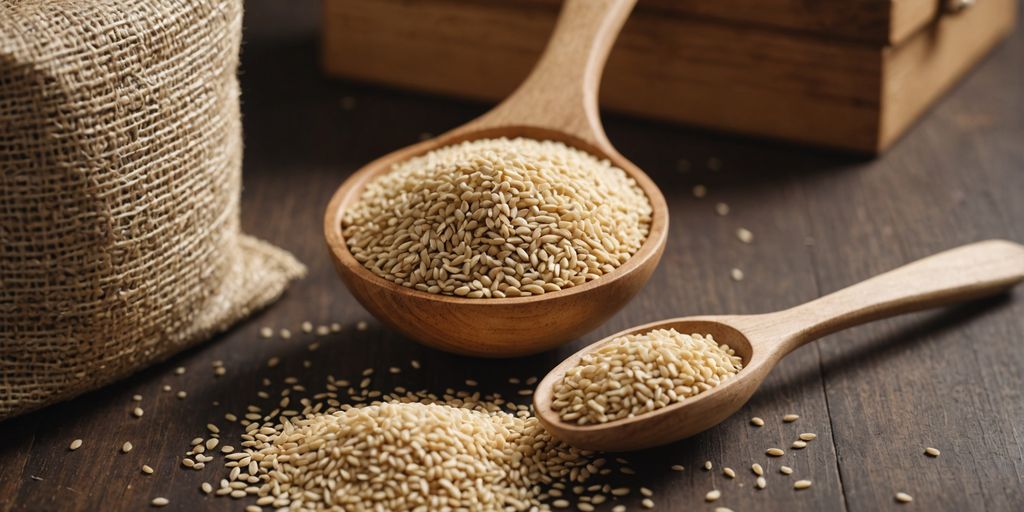
Organic sesame seeds are a fantastic addition to any kitchen. They are packed with nutrients and can add a delicious nutty flavor to your meals. But finding a reliable supplier and understanding what makes these seeds truly organic can be tricky. This article will guide you through everything you need to know about organic sesame seeds, from their health benefits to how to find the best supplier.
Key Takeaways
- Organic sesame seeds are certified by the USDA to ensure they meet strict quality standards.
- These seeds offer numerous health benefits, including essential nutrients and potential disease prevention.
- There are different varieties of organic sesame seeds, such as white, black, and brown.
- Finding a reliable supplier involves researching their reputation, product quality, and pricing.
- Sustainable farming practices are crucial in producing high-quality organic sesame seeds.
Understanding Organic Certification for Sesame Seeds
Importance of USDA Certification
USDA certification is crucial for ensuring that sesame seeds meet strict organic standards. Certified organic products are free from synthetic pesticides and fertilizers, making them safer for consumption. This certification also helps consumers trust that the product is genuinely organic and not a result of fraudulent organic certificates.
How Certification Impacts Quality
Organic certification directly impacts the quality of sesame seeds. Certified seeds are grown using sustainable farming practices, which often result in a more nutritious and flavorful product. Additionally, these seeds are free from genetically modified organisms (GMOs), ensuring a pure and natural product.
Steps to Get Certified
- Application: Farmers must submit an application to a USDA-accredited certifying agent.
- Inspection: An on-site inspection is conducted to verify that the farming practices meet organic standards.
- Review: The certifying agent reviews the inspection report and decides whether to grant certification.
- Certification: If approved, the farm receives its organic certification, which must be renewed annually.
Achieving organic certification is a rigorous process, but it ensures that consumers receive high-quality, safe, and nutritious sesame seeds.
Health Benefits of Organic Sesame Seeds
Nutritional Profile
Sesame seeds are more than a garnish for bagels– they’re a treasure trove of nutrients that strengthen skin, bones, and the immune system. Our raw, organic black sesame seeds are high in vitamin E, calcium, iron, and magnesium, and they’re also a good source of zinc, Vitamin B1, molybdenum, selenium, copper, and manganese. Like many nuts and seeds, they contain phytosterols, which are proven to lower blood cholesterol levels– but unique to sesame seeds is sesamol, a powerful antioxidant.
Potential Health Benefits
Add a healthy twist to your dishes with our Bulk Organic Natural Sesame Seeds. These seeds are 100% certified organic, ensuring that you are using the highest quality ingredients in your meals. Packed with essential nutrients, these sesame seeds will not only add a delicious nutty flavor but also provide potential health benefits.
Incorporating Sesame Seeds into Your Diet
Ingredients: Organic Raw Sprouted Black Sesame Seeds, Nothing Else Added
-Sprouted
-Certified Organic, Non-GMO
-Certified Kosher, Pareve
-Vegan
-Paleo-friendly
-Keto-friendly
-Processed in a peanut-free, dairy-free, and soy-free facility
Whole brown sesame seeds are a good source of nutrition, containing high levels of protein, healthy fats, and various vitamins and minerals. They are particularly rich in zinc, magnesium, and calcium, and are a good source of antioxidants and anti-inflammatory compounds. They also contain fiber which can help with digestion and weight management.
- Home
- Products
- Herbs and Spices
- Organic White Hulled Sesame Seed
Mpc: OH111 | GTIN:
ORGANIC WHITE HULLED SESAME SEED
Organic Hulled White Sesame Seeds are tiny, flat, white seeds with a mild, nutty, slightly sweet flavor. They add a delicate crunch to numerous dishes and baked goods.
Raw, untoasted seeds
Can be pressed for their flavorful oil or ground into a paste for flavoring sauces
Certified organic to the specifications of the USDA National Organic Program
How to Find the Best Organic Sesame Seeds Supplier
Finding the best organic sesame seeds supplier can be a bit tricky, but it’s worth the effort. A good supplier ensures you get high-quality seeds that are both nutritious and delicious. Here are some tips to help you out.
Researching Supplier Reputation
Start by looking into the supplier’s reputation. Check online reviews and testimonials to see what other customers are saying. A supplier with a lot of positive feedback is usually a good choice. You can also ask for recommendations from friends or family who have bought organic sesame seeds before.
Evaluating Product Quality
Quality is key when it comes to organic sesame seeds. Make sure the seeds are 100% certified organic. Look for certifications like USDA Organic to ensure you’re getting the best. High-quality seeds should be free from pesticides and other harmful chemicals.
Assessing Pricing and Availability
Price is always a factor, but don’t let it be the only one. Compare prices from different suppliers to get a sense of what’s fair. Also, check the availability of the seeds. Some suppliers might offer bulk options, which can be more cost-effective. Make sure the supplier can meet your needs in terms of quantity and delivery time.
Remember, the best supplier is one who offers a good balance of quality, price, and availability. Take your time to do the research, and you’ll find the perfect match for your needs.
Different Varieties of Organic Sesame Seeds
Organic sesame seeds come in several varieties, each with its unique flavor, color, and use in cooking. Understanding these differences can help you choose the best type for your needs.
White Hulled Sesame Seeds
White hulled sesame seeds are tiny, flat, and white with a mild, nutty, slightly sweet flavor. They add a delicate crunch to numerous dishes and baked goods. These seeds can be pressed for their flavorful oil or ground into a paste for flavoring sauces. Certified organic to the specifications of the USDA National Organic Program, they ensure you are using the highest quality ingredients in your meals.
Black Sesame Seeds
Black sesame seeds are known for their bold flavor and distinctive color. They are often used in Asian cuisine and can be sprinkled on dishes for a visual and taste enhancement. These seeds are USDA certified organic, batch tested, and verified gluten-free. They are raw, unhulled, non-GMO, and vegan, making them a versatile addition to various recipes.
Brown Sesame Seeds
Whole brown sesame seeds can be used in a variety of ways, such as toasting and using as a garnish for soups and salads, adding to bread dough, or grinding them to make tahini. They can also be added to other dishes to add a nutty flavor and texture, such as in sushi rolls, salad dressings, and marinades. These seeds are packed with essential nutrients and provide potential health benefits.
Sourcing Organic Sesame Seeds Globally
Top Producing Countries
Organic sesame seeds are grown in various parts of the world, with some countries standing out as top producers. Paraguay is known for its high-quality organic sesame seeds, often used in a variety of dishes. Other leading producers include India, Ethiopia, and Myanmar. These countries have favorable climates and soil conditions that contribute to the robust growth of sesame plants.
Ethical Sourcing Practices
When sourcing organic sesame seeds, it’s crucial to consider ethical practices. This includes ensuring fair wages for farmers and promoting sustainable farming methods. Ethical sourcing not only supports local communities but also ensures the long-term viability of sesame farming. Many suppliers adhere to USDA National Organic Program standards to guarantee the quality and integrity of their products.
Impact on Local Communities
The production of organic sesame seeds can have a significant impact on local communities. It provides employment opportunities and supports local economies. Additionally, ethical sourcing practices help improve the quality of life for farmers and their families. By choosing suppliers who prioritize community well-being, consumers can contribute to positive social and economic outcomes.
Supporting ethical sourcing of organic sesame seeds helps ensure that farmers receive fair compensation and that sustainable farming practices are maintained.
Quality Control in Organic Sesame Seed Production
Testing for Purity
Ensuring the purity of organic sesame seeds is crucial. Regular testing helps in identifying any contaminants or impurities that might affect the quality. This process involves rigorous laboratory tests to check for unwanted substances.
Ensuring Non-GMO Standards
Maintaining non-GMO standards is essential for organic certification. Farmers and suppliers must adhere to strict guidelines to ensure that the sesame seeds are not genetically modified. This includes thorough documentation and regular inspections.
Maintaining Freshness
To keep sesame seeds fresh, proper storage is key. Lengthened storage time and inappropriate conditions can lead to a decline in quality. It’s important to store seeds in a cool, dry place to maintain their flavor and nutritional value.
Quality control in organic sesame seed production is not just about meeting standards; it’s about delivering the best product to consumers.
The Role of Organic Sesame Seeds in Culinary Traditions
Asian Cuisine
In Asian cuisine, organic sesame seeds are a staple ingredient. They add a delicate crunch to many dishes, enhancing both flavor and texture. These seeds are often used in sushi rolls, salad dressings, and marinades. Sesame seeds have one of the highest oil contents of any seed, which makes them perfect for pressing into oils or making pastes like tahini.
Middle Eastern Cuisine
Middle Eastern cuisine heavily relies on sesame seeds, especially in the form of tahini and halvah. Tahini, a paste made from ground sesame seeds, is a key ingredient in many dishes, including hummus and baba ganoush. Halvah, a sweet treat, also showcases the nutty flavor of sesame seeds. These seeds are also used as a garnish for soups and salads, adding a nutty flavor and texture.
Western Cuisine
In Western cuisine, organic sesame seeds are becoming increasingly popular. They are often added to bread dough, sprinkled on top of baked goods, or used as a garnish for various dishes. Whole brown sesame seeds can be toasted and used to add a nutty flavor to soups and salads. They are also ground to make tahini, which is used in salad dressings and marinades.
Organic sesame seeds are a versatile ingredient that can enhance the flavor and texture of many dishes across different culinary traditions.
Buying Organic Sesame Seeds in Bulk
Advantages of Bulk Purchasing
Buying organic sesame seeds in bulk can be a smart choice for both individuals and businesses. Purchasing in larger quantities often results in cost savings. Additionally, it ensures you always have a steady supply of these nutritious seeds on hand. Bulk buying is also more environmentally friendly, as it reduces packaging waste.
Storage Tips
Proper storage is key to maintaining the freshness of your bulk sesame seeds. Store them in an airtight container in a cool, dark place. For long-term storage, consider refrigerating or freezing the seeds. This helps to preserve their nutty flavor and nutritional value.
Cost-Effectiveness
When you buy in bulk, you can take advantage of lower prices per unit. For example, the price range for bulk organic sesame seeds can vary from $12.00 to $341.00, depending on the quantity. This makes it a cost-effective option for those who use sesame seeds regularly in their meals or products.
Bulk organic sesame seeds are not only a great way to save money but also ensure you have a constant supply of high-quality, nutritious seeds.
Sustainability Practices in Sesame Seed Farming
Organic Farming Techniques
Cultivating organic sesame seeds involves a series of meticulous steps to ensure the production of high-quality, chemical-free seeds. Organic farming techniques focus on natural processes and biodiversity to maintain soil health and reduce pests. Farmers avoid synthetic pesticides and fertilizers, opting instead for compost, crop rotation, and natural pest predators.
Water Conservation
Water conservation is crucial in sesame seed farming. Farmers use efficient irrigation systems like drip irrigation to minimize water waste. This method delivers water directly to the plant roots, ensuring optimal use of water resources. Additionally, mulching helps retain soil moisture and reduce evaporation.
Soil Health
Maintaining soil health is essential for sustainable farming. Farmers regularly test soil to monitor nutrient levels and pH balance. They use organic matter, such as compost and green manure, to enrich the soil. Crop rotation and cover cropping also play a significant role in preventing soil depletion and erosion.
Sustainable farming practices not only benefit the environment but also ensure the long-term viability of sesame seed production.
Customer Reviews and Testimonials
Importance of Customer Feedback
Customer feedback is crucial for any business. It helps companies improve their products and services. For organic sesame seeds suppliers, understanding what customers think can lead to better quality and satisfaction.
Where to Find Reviews
You can find reviews on various platforms. Websites like WebMD offer user reviews and ratings for many products. Look for sections like "black seed reviews and user ratings" to get an idea of what people are saying.
Interpreting Testimonials
When reading testimonials, pay attention to common themes. Are customers happy with the product quality? Do they mention any issues? This can help you make an informed decision.
Customer reviews are a valuable resource for both buyers and sellers. They provide real-world insights that can guide your choices and improve your experience.
Innovative Uses of Organic Sesame Seeds
Sesame Seed Oil
Sesame seed oil is a versatile ingredient in many kitchens. It has one of the highest oil contents of any seed, making it perfect for cooking and flavoring dishes. The oil has a mild, nutty flavor that deepens when toasted, adding a unique taste to various recipes.
Sesame Butter
Sesame butter, also known as tahini, is a popular spread made from ground sesame seeds. It is often used in Middle Eastern cuisine to make dishes like hummus and baba ganoush. This creamy spread can also be used as a dip or a dressing for salads.
Sesame Flour
Sesame flour is made by grinding sesame seeds into a fine powder. It can be used as a gluten-free alternative in baking, adding a nutty flavor and a boost of nutrients to your baked goods. This flour is also great for thickening soups and sauces.
Adding a healthy twist to your dishes with our Bulk Organic Natural Sesame Seeds. These seeds are 100% certified organic, ensuring that you are using the highest quality ingredients in your meals. Packed with essential nutrients, these sesame seeds will not only add a delicious nutty flavor but also provide potential health benefits.
Discover the amazing ways you can use organic sesame seeds in your meals. From adding a crunchy texture to your salads to making delicious spreads, the possibilities are endless. Our sesame seeds are grown in the rich soils of Paraguay, ensuring top-notch quality and taste. Visit our website to learn more and get your hands on these versatile seeds today!
Conclusion
In conclusion, choosing an organic sesame seed supplier is a smart move for anyone looking to enhance their meals with a healthy and tasty ingredient. Organic sesame seeds are packed with nutrients and can be used in a variety of dishes, from soups to baked goods. By opting for organic, you ensure that you are getting the highest quality seeds without any harmful chemicals. Whether you are a home cook or a professional chef, incorporating organic sesame seeds into your recipes can add a delightful crunch and a nutty flavor, making your dishes not only delicious but also nutritious. So, next time you are shopping for ingredients, consider adding organic sesame seeds to your cart.
Frequently Asked Questions
What are organic sesame seeds?
Organic sesame seeds are seeds that are grown without the use of synthetic pesticides, herbicides, or fertilizers. They are certified organic by recognized organizations like the USDA.
Why should I choose organic sesame seeds over regular ones?
Organic sesame seeds are free from harmful chemicals and are grown using sustainable farming practices. They are often considered healthier and more environmentally friendly.
How can I use organic sesame seeds in my cooking?
You can sprinkle them on salads, add them to baked goods, use them as a garnish for savory dishes, or blend them into sauces and dressings.
What are the health benefits of organic sesame seeds?
Organic sesame seeds are rich in essential nutrients like calcium, iron, magnesium, and healthy fats. They may help improve bone health, support heart health, and provide antioxidants.
Where can I buy organic sesame seeds in bulk?
You can purchase organic sesame seeds in bulk from health food stores, online retailers, and specialized organic food suppliers.
How should I store organic sesame seeds to keep them fresh?
Store organic sesame seeds in an airtight container in a cool, dry place. For longer shelf life, you can also refrigerate or freeze them.
Are there different varieties of organic sesame seeds?
Yes, there are several varieties, including white hulled, black, and brown sesame seeds. Each variety has a unique flavor and use in cooking.
What does USDA organic certification mean for sesame seeds?
USDA organic certification ensures that the sesame seeds are grown and processed according to strict organic standards, without synthetic chemicals or GMOs.