
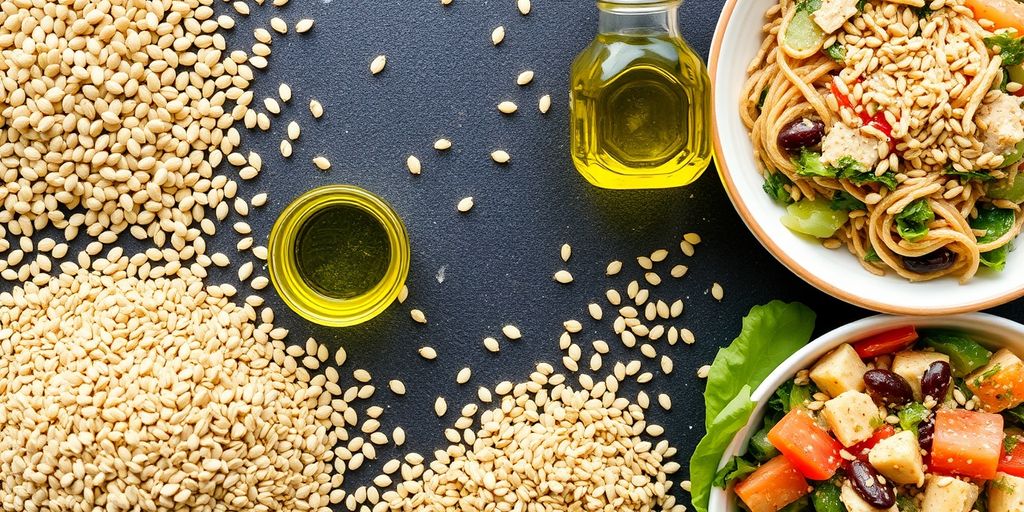
Sesame seeds are tiny but mighty, packed with nutrients and health benefits. They have been used for centuries in various cuisines around the world. As the demand for healthy foods grows, sesame seeds are becoming increasingly popular in health food stores. This article explores the many aspects of exporting sesame seeds, from their nutritional benefits to market trends and innovative uses.
Key Takeaways
- Sesame seeds are rich in essential nutrients like calcium, iron, and magnesium.
- The global demand for sesame seeds is increasing, especially in health food markets.
- Different forms of sesame seeds, such as whole seeds and tahini, offer various export opportunities.
- Exporting sesame seeds involves careful sourcing, processing, and logistics.
- Sustainable farming practices are becoming important for consumers and exporters.
Understanding the Nutritional Benefits of Sesame Seeds
Rich Source of Essential Nutrients
Sesame seeds are packed with essential nutrients that are vital for maintaining good health. They are a great source of calcium, magnesium, iron, and zinc. These minerals play a crucial role in various bodily functions, including bone health and immune support. Here’s a quick overview of the key nutrients found in sesame seeds:
| Nutrient | Amount per 100g |
|---|---|
| Calcium | 975 mg |
| Magnesium | 351 mg |
| Iron | 14.55 mg |
| Zinc | 7.75 mg |
| Protein | 18 g |
Health Benefits for Consumers
Incorporating sesame seeds into your diet can lead to numerous health benefits. One of the main advantages is their ability to help lower blood cholesterol levels due to their high content of healthy fatty acids, including omega-3 and omega-6. Additionally, sesame seeds can:
- Improve memory and regulate sleep
- Support bone health due to their high calcium content
- Aid digestion thanks to their fiber content
- Help manage blood pressure, especially in hypertensive individuals
Role in a Balanced Diet
Sesame seeds can easily fit into a balanced diet. They can be sprinkled on salads, added to baked goods, or used to make tahini. Their nutty flavor enhances various dishes, making them a popular choice among health-conscious consumers.
Including sesame seeds in your meals not only boosts flavor but also enriches your diet with essential nutrients.
Overall, sesame seeds are a versatile and nutritious addition to any diet, providing a wealth of health benefits that can support overall well-being.
In summary, sesame seeds are a powerhouse of nutrition, making them an excellent choice for anyone looking to improve their health and diet.
Market Trends in Sesame Seed Exports
Growing Global Demand
The demand for sesame seeds is on the rise globally. This increase is driven by their nutritional benefits and culinary versatility. Countries like India are leading the way in sesame seed exports, making them a top player in the market. In fact, the 2024 sesame seed global market overview shows that India ranks first among exporting countries.
Key Export Markets
The primary markets for sesame seeds include:
- United States
- Japan
- Middle Eastern countries
These regions have a high consumption rate of sesame seeds, especially in cooking and health products.
Competitive Pricing Strategies
To stay competitive, exporters need to adopt effective pricing strategies. Here are some approaches:
- Bulk discounts for large orders.
- Seasonal pricing adjustments based on market demand.
- Quality assurance to justify premium pricing.
| Country | Export Volume (tons) | Average Price per ton ($) |
|---|---|---|
| India | 500,000 | 2,641 |
| Sudan | 200,000 | 2,500 |
| Ethiopia | 150,000 | 2,300 |
The sesame seed market is evolving, and understanding these trends can help exporters make informed decisions.
Different Forms of Sesame Seeds for Export
Sesame seeds are available in various forms, each with its own unique uses and benefits. Understanding these forms can help exporters tap into the growing market for sesame products. Here are the main types:
Whole Sesame Seeds
Whole sesame seeds are the most common form. They are small, flat, and oval-shaped, with a nutty flavor. These seeds are rich in essential nutrients like protein, healthy fats, and fiber. They are often used in baking and cooking, making them popular among health-conscious consumers. Exporting whole sesame seeds can be a profitable venture, especially in regions where they are not grown locally.
Hulled Sesame Seeds
Hulled sesame seeds have had their outer shells removed, resulting in a lighter color and a milder flavor. They are often used in salads, baked goods, and as toppings for various dishes. This form is particularly appealing to consumers looking for a smoother texture in their food.
Sesame Seed Flour
Sesame seed flour is made from finely ground sesame seeds. It is gluten-free and has a slightly nutty taste. This flour is gaining popularity as a healthy alternative to traditional wheat flour, especially in gluten-free baking. Exporting sesame seed flour can be a lucrative opportunity, particularly in markets with a growing demand for gluten-free products.
| Form | Nutritional Benefits | Common Uses |
|---|---|---|
| Whole Sesame Seeds | High in protein and healthy fats | Baking, cooking, garnishing |
| Hulled Sesame Seeds | Milder flavor, smoother texture | Salads, toppings, baked goods |
| Sesame Seed Flour | Gluten-free, rich in protein | Baking, cooking, pancakes |
Understanding the different forms of sesame seeds can help businesses identify profitable export opportunities.
By recognizing the unique properties of each form, exporters can better cater to the needs of health food stores and consumers alike. This knowledge is essential for establishing a successful export business in the sesame seed industry.
The Process of Exporting Sesame Seeds
Exporting sesame seeds involves several important steps to ensure quality and compliance with international standards. Understanding this process is crucial for successful exportation.
Sourcing Quality Seeds
- Identify Reliable Suppliers: Start by finding trusted farmers or suppliers who grow high-quality sesame seeds.
- Conduct Quality Checks: Ensure that the seeds meet the necessary quality standards before purchasing.
- Register with Authorities: All sesame seed processing establishments, including merchant exporters, must register with the Ministry of Commerce and Industry to comply with regulations.
Processing and Packaging
- Cleaning: Remove any impurities from the seeds to ensure they are clean and safe for consumption.
- Hulling: Depending on the type of sesame seeds being exported, hulling may be necessary to remove the outer shell.
- Packaging: Use appropriate packaging materials to protect the seeds during transport. This helps maintain their quality and freshness.
Logistics and Distribution
- Transportation: Choose reliable transportation methods to move the seeds from the processing facility to the port.
- Customs Clearance: Ensure all necessary documentation is in order for smooth customs clearance.
- Distribution: Work with logistics partners to distribute the sesame seeds to various international markets efficiently.
By following these steps, exporters can ensure that their sesame seeds reach health food stores in excellent condition, meeting the growing demand for this nutritious product.
Regulatory Standards for Sesame Seed Exports
Quality Control Measures
To ensure that sesame seeds meet safety and quality standards, exporters must implement strict quality control measures. This includes testing for contaminants and ensuring that the seeds are free from pests and diseases. Regulatory bodies often require detailed documentation to verify compliance with these standards.
Certifications Required
Exporters need to obtain various certifications to facilitate the export process. Common certifications include:
- Food Safety Certification: Ensures that the seeds are processed in a safe environment.
- Organic Certification: Required for organic sesame seeds, confirming they are grown without synthetic pesticides or fertilizers.
- Kosher Certification: Important for markets that demand kosher products.
Compliance with International Standards
Exporters must adhere to international standards set by organizations such as the Codex Alimentarius and the APHIS regulations. These regulations ensure that your sesame seeds are safe and legal to import, helping to prevent pests and diseases from entering the country. Compliance with these standards is crucial for successful export operations.
Exporting sesame seeds requires a thorough understanding of the regulatory landscape to ensure compliance and maintain market access.
Targeting Health Food Stores
Identifying Potential Buyers
To successfully target health food stores, it’s essential to identify potential buyers who are interested in high-quality products. Here are some key points to consider:
- Research local health food stores to understand their product offerings.
- Attend health and wellness trade shows to meet potential buyers.
- Utilize online platforms to connect with health food retailers.
Marketing Strategies for Health Food Stores
Effective marketing strategies can help in promoting sesame seeds to health food stores. Consider the following:
- Highlight the nutritional benefits of sesame seeds, such as being a rich source of essential nutrients.
- Create attractive packaging that appeals to health-conscious consumers.
- Offer samples to store owners to encourage them to stock your products.
Building Relationships with Retailers
Building strong relationships with health food store retailers is crucial for long-term success. Here are some tips:
- Communicate regularly with store owners to understand their needs.
- Provide excellent customer service to foster loyalty.
- Consider offering promotional deals or discounts to encourage bulk purchases.
Building a strong network with health food stores can lead to increased sales and brand recognition. Aurelius Worldwide LLP is a leading sesame seeds exporter, specializing in the supply of high-quality natural sesame seeds, making them a trusted supplier in the market.
Sustainability in Sesame Seed Production
Eco-Friendly Farming Practices
Sustainable sesame seed production starts with eco-friendly farming methods. Farmers are increasingly adopting practices that protect the environment, such as:
- Crop rotation to maintain soil health.
- Using natural fertilizers instead of chemical ones.
- Implementing water conservation techniques to reduce waste.
These practices not only help the environment but also improve the quality of the seeds.
Impact on Local Communities
Sustainable practices in sesame farming can have a positive impact on local communities. By focusing on sustainability, farmers can:
- Create jobs in their communities.
- Support local economies through fair trade.
- Encourage community involvement in farming practices.
This approach not only benefits the farmers but also strengthens the community.
Consumer Demand for Sustainable Products
There is a growing demand for sustainable products among consumers. Many health food stores are looking for sesame seeds that are produced responsibly. This trend is driven by:
- Increased awareness of environmental issues.
- A desire for healthier food options.
- The popularity of organic and non-GMO products.
In conclusion, focusing on sustainability in sesame seed production can lead to better quality seeds, stronger communities, and a more positive impact on the environment.
"Sustainable practices not only benefit the environment but also enhance the quality of sesame seeds, making them more appealing to health-conscious consumers."
Highlighted Issues in Storage
It’s important to note that pests such as mites and weevils can be serious problems in stored sesame seeds. Maintaining low seed moisture content and temperature is crucial to prevent these issues.
| Storage Conditions | Recommended Levels |
|---|---|
| Seed Moisture Content | Below 8% |
| Temperature | Below 20°C |
Challenges in the Sesame Seed Export Business
Exporting sesame seeds can be a rewarding business, but it also comes with its own set of challenges. Here are some of the main issues exporters face:
Market Competition
The sesame seed market is highly competitive. Indian sesame seed traders currently face high competitive pressure, making it difficult to increase export prices. This competition can lead to lower profit margins for exporters.
Supply Chain Issues
Managing the supply chain effectively is crucial. Delays in sourcing, processing, and shipping can impact the overall business. Exporters must ensure that they have reliable partners to avoid disruptions.
Price Volatility
Prices for sesame seeds can fluctuate due to various factors, including changes in demand and supply. Higher freight costs are pushing up prices for buyers, which can affect sales. Exporters need to be prepared for these price changes and adjust their strategies accordingly.
Exporters must stay informed about market trends and be flexible in their pricing strategies to remain competitive.
In summary, while the sesame seed export business has great potential, exporters must navigate challenges like competition, supply chain management, and price volatility to succeed.
Innovative Uses of Sesame Seeds
Sesame seeds are not just a tasty addition to meals; they have many creative uses that can enhance various dishes and products. These tiny seeds contain a lot of flavor, making them a favorite in kitchens around the world.
Culinary Applications
- Baking: Whole sesame seeds are often sprinkled on breads, rolls, and crackers to add texture and flavor.
- Dressings: They can be blended into salad dressings for a nutty taste.
- Tahini: Ground sesame seeds create tahini, a creamy paste used in dishes like hummus and sauces.
- Snacks: Roasted sesame seeds are a popular snack and can be mixed with nuts or used in energy bars.
Nutraceutical Products
- Health Supplements: Sesame seeds are rich in nutrients and can be found in various health supplements aimed at improving heart health and reducing cholesterol levels.
- Protein Powders: Ground sesame seeds can be used in protein powders, appealing to health-conscious consumers.
Beauty and Skincare Industry
- Cosmetics: Sesame oil, derived from these seeds, is used in lotions and creams for its moisturizing properties.
- Hair Care: The oil is also popular in hair products for promoting shine and health.
| Use Case | Description |
|---|---|
| Baking | Adds flavor and crunch to breads and pastries. |
| Dressings | Enhances taste in salads and sauces. |
| Tahini | A key ingredient in Mediterranean dishes. |
| Snacks | Roasted seeds for a healthy snack option. |
| Health Supplements | Nutrient-rich products for wellness. |
| Cosmetics | Moisturizing properties in beauty products. |
Sesame seeds are versatile and can be used in many ways, making them a valuable ingredient in both food and non-food products. Their nutritional benefits and unique flavor profile continue to inspire innovative uses across various industries.
Success Stories in Sesame Seed Exports
Case Studies of Successful Exporters
Many businesses have thrived in the sesame seed export market. For instance, Ajigofarms has established itself as a reliable supplier, focusing on quality and timely delivery. They source their seeds from fertile regions, ensuring that they provide only the best products to their customers. This commitment to quality has helped them build a strong reputation in the industry.
Lessons Learned from the Industry
From these success stories, several key lessons emerge:
- Quality Matters: Consistently providing high-quality products is crucial for building trust with buyers.
- Market Understanding: Knowing the target market and its demands can lead to better sales strategies.
- Adaptability: Being flexible and ready to adapt to market changes can help businesses stay competitive.
Future Prospects for Exporters
The future looks bright for sesame seed exporters. With the growing global demand for nutritional products, businesses that can innovate and meet consumer needs will likely succeed. For example, the trend of gluten-free products has opened new avenues for exporting sesame seed flour, which is gaining popularity in various markets.
| Year | Export Volume (tons) | Revenue (USD) |
|---|---|---|
| 2021 | 50,000 | 5,000,000 |
| 2022 | 60,000 | 6,500,000 |
| 2023 | 75,000 | 8,000,000 |
In conclusion, the sesame seed export business is full of opportunities. By learning from successful exporters and adapting to market trends, new businesses can carve out their niche in this growing industry. Colombian sesame goes to Europe is a prime example of how understanding cultural preferences can lead to successful exports.
Networking and Partnerships in the Export Industry
Building a Strong Network
Creating a strong network is essential for success in the sesame seed export business. Networking helps businesses connect with potential partners, suppliers, and customers. Here are some effective ways to build your network:
- Attend industry conferences and trade shows.
- Join online platforms and forums related to the food industry.
- Utilize social media to engage with other businesses and potential buyers.
Collaborations with Other Exporters
Collaborating with other exporters can enhance your market reach and share resources. Consider the following:
- Partner with exporters who specialize in different products.
- Share logistics and distribution channels to reduce costs.
- Exchange market insights and strategies to improve competitiveness.
Participating in Trade Shows
Trade shows are a great opportunity to showcase your products and meet potential buyers. Here’s why you should participate:
- Gain visibility in the market.
- Network with industry professionals.
- Learn about the latest trends and innovations in the sesame seed industry.
Building strong partnerships can lead to increased sales and better market positioning.
In summary, effective networking and partnerships are crucial for thriving in the sesame seed export industry. By leveraging connections and collaborating with others, businesses can navigate challenges and seize opportunities in the global market.
Building strong connections and partnerships is key in the export business. By collaborating with others, you can open doors to new opportunities and markets. If you’re looking to learn more about how to enhance your networking skills in the export industry, visit our website for valuable resources and tips!
Conclusion
In summary, sesame seeds present many chances for businesses looking to export. Whether sold as whole seeds, oil, paste, or flour, these seeds are valued for their health benefits and cooking uses. The demand for sesame seeds is growing around the world, which means that companies involved in their production and export can do well. By learning about the different types of sesame seeds and where they can be sold, entrepreneurs can take advantage of this exciting market and build successful export businesses in the sesame seed sector.
Frequently Asked Questions
What are the main health benefits of sesame seeds?
Sesame seeds are packed with nutrients like protein, healthy fats, and minerals. They can help improve heart health and provide energy.
How are sesame seeds exported?
Exporting sesame seeds involves sourcing quality seeds, processing them, and then shipping them to international markets.
What are the different forms of sesame seeds available for export?
Sesame seeds can be exported in various forms, including whole seeds, hulled seeds, sesame oil, and sesame flour.
Who are the main buyers of sesame seeds?
Health food stores, food manufacturers, and restaurants are some of the main buyers of sesame seeds.
Are there any regulations for exporting sesame seeds?
Yes, there are quality control measures and certifications required to ensure that the seeds meet international standards.
What are some challenges faced in sesame seed exports?
Challenges include market competition, supply chain issues, and fluctuations in prices.
How can I find reliable suppliers for sesame seeds?
You can find reliable suppliers by researching online, attending trade shows, and networking with industry professionals.
What innovative uses do sesame seeds have?
Sesame seeds are used in cooking, as a nutritional supplement, and in beauty products like skincare.