
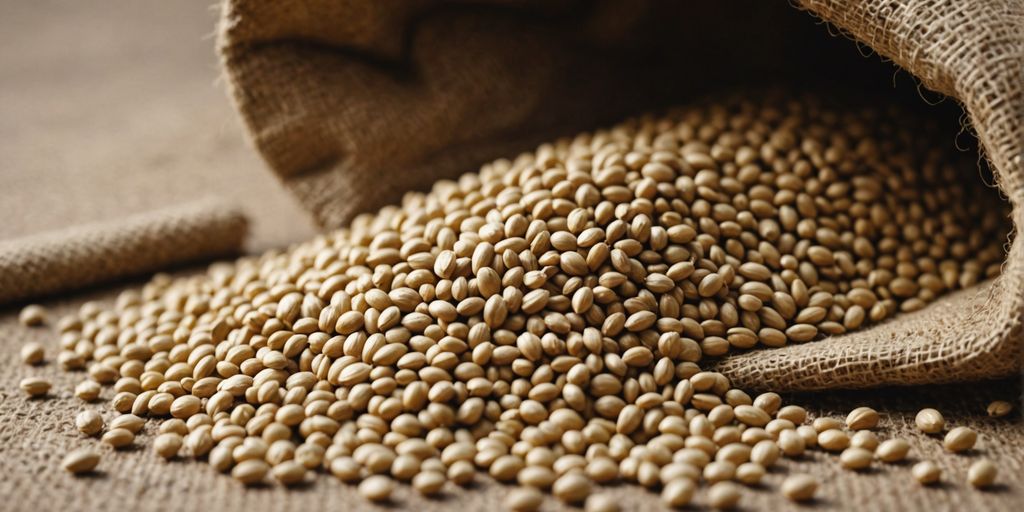
Non-GMO sesame seeds are gaining popularity among global buyers for their health benefits and sustainable farming practices. These seeds are free from genetically modified organisms, ensuring they retain their natural qualities. As the demand for non-GMO products rises, understanding the benefits and market trends of non-GMO sesame seeds becomes crucial.
Key Takeaways
- Non-GMO sesame seeds are free from genetic modifications, making them a natural choice for health-conscious consumers.
- These seeds offer numerous health benefits, including a rich nutritional profile and antioxidant properties.
- Non-GMO sesame seeds are versatile in the kitchen, enhancing the flavor and nutritional value of various dishes.
- The global market for non-GMO sesame seeds is growing, with major producers and importers driving demand.
- Sustainable farming practices for non-GMO sesame seeds contribute to environmental conservation and biodiversity.
Understanding Non-GMO Sesame Seeds
Definition and Characteristics
Non-GMO sesame seeds are those that have not been genetically modified in any way. These seeds are grown using traditional methods, ensuring they remain in their natural state. Non-GMO certification guarantees that the seeds are free from genetic alterations, making them a preferred choice for many consumers.
Importance of Non-GMO Certification
Having a non-GMO certification is crucial as it assures buyers that the sesame seeds are natural and free from genetic modifications. This certification is often sought after by consumers who are conscious about their health and the environment. It also supports sustainable practices, as these seeds are harvested using sustainable practices.
Comparison with GMO Sesame Seeds
When comparing non-GMO sesame seeds with their GMO counterparts, several differences stand out:
- Natural State: Non-GMO seeds are in their natural form, while GMO seeds have been altered at the genetic level.
- Health Benefits: Non-GMO seeds are often considered healthier as they are free from genetic modifications.
- Environmental Impact: Growing non-GMO seeds supports biodiversity and reduces the need for chemical interventions.
Choosing non-GMO sesame seeds not only benefits your health but also supports a more sustainable and environmentally friendly agricultural system.
Health Benefits of Non-GMO Sesame Seeds
Nutritional Profile
Non-GMO sesame seeds are packed with essential nutrients. They are rich in healthy fats, protein, B vitamins, and minerals like calcium, iron, and zinc. These seeds also contain a high level of fiber, which is good for digestion and overall health. One of the key benefits is their ability to reduce blood cholesterol levels due to the presence of omega-3 and omega-6 fatty acids.
Antioxidant Properties
Sesame seeds are known for their antioxidant properties. They contain compounds that help protect the body from oxidative stress. This is particularly beneficial for maintaining healthy skin and hair. The high zinc and calcium content in these seeds promotes skin health and strengthens hair and nails.
Impact on Skin and Hair Health
The nutrients in non-GMO sesame seeds improve the condition of skin and hair. The seeds are rich in zinc and calcium, which promote skin health and strengthen hair and nails. Additionally, the antioxidants in sesame oil can help reduce signs of aging and improve overall skin texture.
Including non-GMO sesame seeds in your diet can offer numerous health benefits, from improving digestion to enhancing skin and hair health.
Culinary Uses of Non-GMO Sesame Seeds
Incorporation in Global Cuisines
Non-GMO sesame seeds are a versatile ingredient used in many cuisines around the world. They add a nutty flavor and crunchy texture to dishes. In India, they are often used to flavor breads, rolls, and crackers. In Japan, milled seeds are used as a spice for marinating fish. Sesame seeds are great for cooking and can be found in a variety of recipes, from salads to desserts.
Popular Recipes
Sesame seeds are a key ingredient in many popular recipes. Here are a few examples:
- Tahini: A paste made from ground sesame seeds, commonly used in Middle Eastern dishes.
- Sesame Chicken: A popular dish in Chinese cuisine, featuring chicken coated in a sesame seed batter.
- Sesame Seed Cookies: A sweet treat enjoyed in many cultures.
Sesame Oil in Cooking
Sesame oil, extracted from sesame seeds, is widely used in cooking. It has a high smoke point, making it suitable for frying and sautéing. The oil is also used in salad dressings and marinades. Its rich, nutty flavor enhances the taste of many dishes. Sesame oil is not only used in cooking but also in the production of perfumes, pharmaceuticals, and cosmetic products.
Non-GMO sesame seeds are a staple in many kitchens due to their versatility and health benefits. They can be used in a variety of dishes, adding both flavor and nutrition.
Global Market for Non-GMO Sesame Seeds
Major Producing Countries
Non-GMO sesame seeds are cultivated in several countries, with India, Sudan, and Myanmar being the top producers. These nations have favorable climates and soil conditions that support sesame farming. India is one of the largest producers, contributing significantly to the global supply.
Key Importing Nations
The demand for non-GMO sesame seeds is high in countries like the United States, Japan, and Germany. These nations import large quantities to meet their domestic needs for food products and oil extraction. The United States is a major importer, driven by the growing consumer preference for non-GMO products.
Market Trends and Growth
The market for non-GMO sesame seeds is expanding rapidly. The tahini market, for instance, is projected to grow from an estimated $2.15 billion in 2024 to a colossal $3.89 billion by 2034, fueled by an impressive CAGR of 6.1%. This growth is driven by increasing health awareness and the rising demand for natural and organic products.
The global market for non-GMO sesame seeds is poised for significant growth, driven by consumer demand for healthier and more sustainable food options.
| Country | Production Volume (2022) | Import Value (2023) |
|---|---|---|
| India | 7.29 billion kg | $3.48 billion |
| Sudan | 2.69 billion kg | $2.69 billion |
| Myanmar | 1.5 billion kg | $1.2 billion |
The table above highlights the production volumes and import values for key countries in the non-GMO sesame seed market.
Packaging and Shipping Options
Available Packaging Types
When it comes to packaging non-GMO sesame seeds, there are several options to consider. Common packaging types include bags, boxes, and bulk containers. Each type has its own benefits, depending on the quantity and destination of the shipment.
Container Sizes and Capacities
Selecting the right container size is crucial for ensuring the timely and safe arrival of sesame seeds. Here are some common container sizes and their capacities:
| Container Size | Capacity |
|---|---|
| 20 Feet | 19 MT |
| 40 Feet | 26 MT |
Shipping Logistics
Choosing the best shipping method is essential for the successful delivery of non-GMO sesame seeds. Air freight is faster but more expensive, while sea freight is more cost-effective but takes longer. Selecting the best shipping method is crucial for ensuring the timely and safe arrival of sesame seeds.
Quality Standards and Certifications
GMO-Free Certification
Non-GMO sesame seeds must have a GMO-Free Certification. This certification ensures that the seeds are not genetically modified. It is crucial for buyers who prioritize natural products. The certification process involves rigorous testing and verification to meet the required standards.
Organic and Conventional Standards
Sesame seeds can be grown under organic or conventional farming practices. Organic standards prohibit the use of synthetic pesticides and fertilizers, ensuring a more natural product. Conventional standards, while still maintaining high quality, allow for some chemical use. Both types must meet specific purity levels, often 99% or higher.
Quality Control Measures
Quality control is essential in the sesame seed industry. Measures include:
- Regular testing for purity and contamination
- Adherence to international food safety standards
- Proper storage and handling to maintain quality
Ensuring high-quality sesame seeds involves multiple steps, from farming to packaging, all aimed at delivering the best product to the consumer.
Sourcing Non-GMO Sesame Seeds
Trusted Suppliers
When looking for trusted suppliers of non-GMO sesame seeds, it’s important to consider their reputation and reliability. Many suppliers offer both organic and conventional products, ensuring a wide range of options. For instance, suppliers from countries like India, Nigeria, and Ghana are known for their high-quality sesame seeds. Always check for certifications and customer reviews to ensure the supplier meets your standards.
Factors to Consider
When sourcing non-GMO sesame seeds, consider the following factors:
- Quality: Ensure the seeds are of high quality and meet food safety standards.
- Certifications: Look for non-GMO and organic certifications to guarantee the product’s authenticity.
- Price: Compare prices from different suppliers to get the best deal without compromising on quality.
- Packaging: Check the available packaging options to ensure they meet your storage and transportation needs.
Supplier Verification
Verifying your supplier is crucial to ensure you receive genuine non-GMO sesame seeds. Here are some steps to follow:
- Request Certifications: Ask for non-GMO and organic certifications to verify the product’s authenticity.
- Check Reviews: Look for customer reviews and ratings to gauge the supplier’s reliability and product quality.
- Sample Testing: Request samples to test the quality of the sesame seeds before making a bulk purchase.
- Visit Facilities: If possible, visit the supplier’s facilities to inspect their production and packaging processes.
Ensuring the authenticity and quality of non-GMO sesame seeds is essential for maintaining consumer trust and satisfaction.
By following these guidelines, you can source high-quality non-GMO sesame seeds that meet your needs and expectations.
Economic Impact of Non-GMO Sesame Seeds
Cost Comparison with GMO Varieties
Non-GMO sesame seeds often come with a higher price tag compared to their GMO counterparts. This is due to the meticulous steps involved in cultivating and certifying these seeds. However, the premium price is justified by the growing demand for chemical-free and natural products.
Economic Benefits for Farmers
Farmers who grow non-GMO sesame seeds can benefit economically. They can charge higher prices for their crops, which can lead to increased income. Additionally, the market for non-GMO products is expanding, providing more opportunities for farmers to sell their produce.
Market Demand and Pricing
The demand for non-GMO sesame seeds is on the rise globally. Consumers are becoming more aware of the health benefits and environmental advantages of non-GMO products. This increasing demand is driving up the prices, making it a lucrative market for producers.
The economic impact of non-GMO sesame seeds is significant, offering higher income potential for farmers and meeting the rising consumer demand for natural products.
Environmental Benefits of Non-GMO Sesame Seeds
Sustainable Farming Practices
Non-GMO sesame seeds promote sustainable farming practices. Farmers growing these seeds often use crop rotation and organic fertilizers, which help maintain soil health and reduce the need for chemical inputs. This approach not only conserves the environment but also ensures long-term agricultural productivity.
Impact on Biodiversity
Growing non-GMO sesame seeds supports biodiversity. These crops do not interfere with the natural genetic makeup of surrounding plants, allowing a diverse range of species to thrive. This is crucial for maintaining balanced ecosystems and preventing the dominance of a single crop type.
Reduction in Chemical Usage
Non-GMO sesame farming typically involves fewer chemical pesticides and herbicides. This reduction in chemical usage leads to less soil and water contamination, benefiting both the environment and human health. Additionally, research shows that non-GMO plants are as safe as their GMO counterparts, making them a viable and eco-friendly choice for farmers and consumers alike.
Consumer Preferences and Trends
Rising Demand for Non-GMO Products
In recent years, there has been a noticeable shift towards non-GMO products. Consumers are increasingly seeking healthier and more natural food options. This trend has created substantial opportunities for the tahini market, particularly for products made from organic, non-GMO sesame seeds. Organic tahini aligns well with the growing demand for clean-label products.
Consumer Awareness and Education
Education plays a crucial role in consumer choices. People are now more informed about the benefits of non-GMO foods. They understand the potential health risks associated with GMOs and prefer products that are free from genetic modifications. This awareness is driving the market for non-GMO sesame seeds.
Future Market Predictions
The future looks promising for non-GMO sesame seeds. Market analysts predict a steady growth in demand as more consumers become health-conscious. The trend towards organic and non-GMO products is expected to continue, making non-GMO sesame seeds a staple in many households worldwide.
Challenges in the Non-GMO Sesame Seed Market
Regulatory Hurdles
Navigating the regulatory landscape for non-GMO sesame seeds can be complex. Different countries have varying standards and requirements for non-GMO certification, making it challenging for producers to comply with all regulations. Ensuring compliance with these diverse regulations is crucial for market access.
Supply Chain Issues
The supply chain for non-GMO sesame seeds faces several obstacles. From pests like mites and weevils to storage conditions, maintaining the quality of sesame seeds is a significant concern. Additionally, the limited availability of non-GMO seeds can lead to supply shortages, affecting the overall market stability.
Competition with GMO Varieties
Non-GMO sesame seeds often compete with GMO varieties that may be cheaper and more readily available. This competition can make it difficult for non-GMO producers to maintain their market share. The price difference between non-GMO and GMO seeds can also influence buyer decisions, impacting the demand for non-GMO products.
The non-GMO sesame seed market faces numerous challenges, from regulatory hurdles to supply chain issues and competition with GMO varieties. Addressing these challenges is essential for the growth and sustainability of the market.
The non-GMO sesame seed market faces many challenges, from strict regulations to limited supply. These hurdles make it tough for buyers to find high-quality seeds. If you’re looking for reliable sources, visit our website to learn more about our premium sesame seeds from Paraguay.
Conclusion
In conclusion, non-GMO sesame seeds offer a wealth of benefits for global buyers. They are not only a versatile ingredient in various cuisines but also come with numerous health advantages. From enhancing the flavor of dishes to providing essential nutrients, these seeds are a valuable addition to any diet. Furthermore, their non-GMO status ensures that they are a safe and natural choice for consumers. As the demand for healthier and more natural food options continues to grow, non-GMO sesame seeds stand out as an excellent choice for both culinary and health purposes. Whether you are a food manufacturer, a health-conscious consumer, or a culinary enthusiast, non-GMO sesame seeds are a smart and beneficial choice.
Frequently Asked Questions
What does Non-GMO mean?
Non-GMO means that the sesame seeds are not genetically modified. They are grown naturally without altering their DNA in a lab.
Why is Non-GMO certification important?
Non-GMO certification ensures that the sesame seeds are free from genetic modifications. This is important for consumers who prefer natural and unaltered foods.
How do Non-GMO sesame seeds compare to GMO sesame seeds?
Non-GMO sesame seeds are grown naturally, while GMO sesame seeds have been genetically altered. Many people prefer Non-GMO for health and environmental reasons.
What are the health benefits of Non-GMO sesame seeds?
Non-GMO sesame seeds are rich in nutrients, antioxidants, and healthy fats. They can improve skin and hair health, boost bone health, and have anti-aging properties.
How are Non-GMO sesame seeds used in cooking?
Non-GMO sesame seeds are used in various cuisines around the world. They can be sprinkled on dishes, used in baking, or made into sesame oil for cooking.
Which countries produce the most Non-GMO sesame seeds?
Major producers of Non-GMO sesame seeds include India, Nigeria, and Myanmar. These countries have favorable climates for growing sesame.
What packaging options are available for shipping Non-GMO sesame seeds?
Non-GMO sesame seeds can be packed in various sizes, including 10 kg, 25 kg, and 1 MT tote bags. They are shipped in 20-foot or 40-foot containers.
How can I verify the quality of Non-GMO sesame seeds?
Quality can be verified through certifications such as GMO-Free and Organic. Trusted suppliers also follow strict quality control measures.