
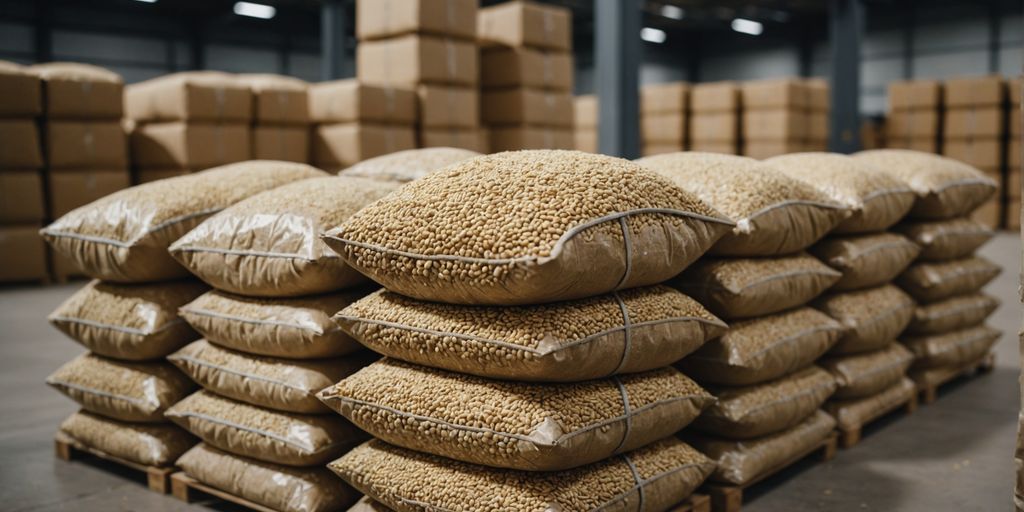
Are you searching for trustworthy sesame seed suppliers? Importing wholesale sesame seeds can be a game-changer for your business. This article will guide you through the global sesame seed market, the benefits of importing, and how to ensure quality and compliance.
Key Takeaways
- Importing wholesale sesame seeds can significantly reduce costs.
- Quality assurance is crucial for maintaining product standards.
- Understanding trade regulations helps in smooth import processes.
- Building strong supplier relationships enhances supply chain efficiency.
- Sustainable sourcing supports ethical and environmental standards.
Understanding the Global Sesame Seed Market
The global sesame seed market is a dynamic and evolving sector. In 2022, the global sesame seed market was finally on the rise to reach $x for the first time since 2019, thus ending a two-year declining trend. This growth is driven by the increasing popularity of sesame seeds as a healthy food option, along with rising incomes in developing countries. The food and beverage industry also plays a significant role in boosting market growth.
Why Import Wholesale Sesame Seeds?
Cost Benefits
Importing sesame seeds in bulk can lead to significant cost savings. Buying in large quantities often means lower prices per unit, which can be a huge advantage for businesses. This is especially true for importers looking to meet the rising demand in various food products.
Quality Assurance
When you import wholesale sesame seeds, you have the opportunity to select from the best suppliers. This ensures that you receive high-quality seeds that meet your standards. Many suppliers offer certifications and adhere to strict quality control measures, giving you peace of mind.
Supply Chain Efficiency
Importing in bulk can streamline your supply chain. By having a steady supply of sesame seeds, you can avoid the disruptions that come with smaller, more frequent orders. This efficiency can lead to better inventory management and more reliable production schedules.
Importing sesame seeds into the USA is becoming more popular due to their rising demand in various food products. This article covers everything you need to know to get started.
Types of Sesame Seeds Available for Import
When it comes to importing sesame seeds, there are several varieties to consider. Each type has its own unique characteristics and uses, making it important to understand the differences.
White Sesame Seeds
White sesame seeds are the most common type and are often used in baking and cooking. They have a mild, nutty flavor and are rich in oil content. These seeds are typically used in bread, pastries, and as a garnish for various dishes.
Black Sesame Seeds
Black sesame seeds have a stronger flavor compared to white sesame seeds. They are often used in Asian cuisine and are known for their rich, earthy taste. These seeds are also packed with nutrients and are used in both sweet and savory dishes.
Hulled vs. Unhulled Sesame Seeds
Hulled sesame seeds have had their outer shell removed, making them softer and easier to digest. They are commonly used in tahini and other smooth-textured products. Unhulled sesame seeds, on the other hand, retain their outer shell, giving them a crunchier texture and a slightly bitter taste. They are often used in health foods and snacks.
Understanding the different types of sesame seeds can help importers make informed decisions about which variety best suits their needs.
Key Benefits of Wholesale Sesame Seeds for Importers
Economic Advantages
Buying sesame seeds in bulk can save you a lot of money. Purchasing sesame seeds in bulk allows you to save money and reduce the frequency of orders. This not only cuts down on shipping costs but also ensures you have a steady supply.
Versatility in Use
Sesame seeds are incredibly versatile. They can be used in a variety of products, from baked goods to oils. This makes them a valuable addition to any inventory.
Long Shelf Life
One of the best things about sesame seeds is their long shelf life. When stored properly, they can last for months without losing quality. This means you can buy in bulk without worrying about the seeds going bad.
Importing sesame seeds in bulk offers numerous benefits, from cost savings to a versatile product that fits into many different markets.
How to Choose a Reliable Sesame Seed Supplier
Choosing a reliable sesame seed supplier is crucial for ensuring the quality and consistency of your imports. Here are some key factors to consider:
Certifications and Standards
When selecting a supplier, it’s important to check if they have the necessary certifications and adhere to international standards. Certifications like ISO and HACCP can be indicators of a supplier’s commitment to quality and safety.
Supplier Reputation
A supplier’s reputation in the market can tell you a lot about their reliability. Look for reviews and testimonials from other importers. Are you looking for a reliable exporter of sesame seeds? Look no further! A trusted supplier focuses on delivering top-notch natural sesame seed.
Quality Control Measures
Ensure that the supplier has stringent quality control measures in place. This includes regular inspections and testing for contaminants. Reliable suppliers will have documented procedures to ensure the consistency and safety of their products.
A reliable supplier not only meets your quality requirements but also helps you navigate the complexities of international trade.
By considering these factors, you can make an informed decision and build a strong partnership with your sesame seed supplier.
Navigating Trade Regulations for Sesame Seed Imports
Importing sesame seeds involves understanding various trade regulations that can impact your business. Compliance with these regulations is crucial to ensure smooth operations and avoid penalties. Here are some key areas to consider:
- Import Duties and Taxes: Import duties can vary based on the country of origin and the specific type of sesame seeds. It’s essential to check the current rates to calculate your total import costs accurately.
- Compliance with Food Safety Standards: Importers must adhere to food safety regulations set by authorities like the FDA in the U.S. This includes ensuring that the sesame seeds meet specific health and safety standards.
- Documentation Requirements: Proper documentation is vital for the import process. This typically includes:
| Document Type | Description |
|---|---|
| Import Permit | Authorization to bring goods into the country |
| Certificate of Origin | Proof of where the seeds were produced |
| Health Certificate | Verification that the seeds are safe for consumption |
| Bill of Lading | Receipt for the shipment |
Understanding these regulations can help you avoid delays and ensure that your sesame seed imports are compliant with local laws.
By staying informed about the latest trade regulations, you can navigate the complexities of importing sesame seeds more effectively. This knowledge not only helps in maintaining compliance but also enhances your overall sourcing strategy.
Effective Strategies for Sourcing Sesame Seeds
When it comes to sourcing sesame seeds, building strong relationships with suppliers is crucial. A direct purchase of sesame seeds from an agro-export company can reduce the stress of sourcing. This approach ensures a steady supply and often better pricing.
Building Supplier Relationships
Establishing trust and maintaining open communication with suppliers can lead to long-term partnerships. Regular visits and audits can help ensure that the supplier meets your quality standards.
Utilizing B2B Platforms
Online B2B platforms are a valuable resource for finding reliable suppliers. These platforms allow you to browse sesame-seeds suppliers by country and region, making it easier to compare options and make informed decisions.
Attending Trade Shows
Trade shows offer a unique opportunity to meet suppliers face-to-face. These events can provide insights into market trends and allow you to negotiate terms directly. Attending trade shows can also help you discover new suppliers and products, expanding your sourcing options.
Quality Control in Sesame Seed Imports
Inspection Procedures
Inspection procedures are crucial to ensure the quality of sesame seeds. Importers should implement proper storage facilities with temperature and humidity control to maintain seed quality. Regular inspections help in identifying any issues early, ensuring that the seeds meet the required standards.
Testing for Contaminants
Testing for contaminants is essential to guarantee the safety of sesame seeds. This includes checking for pesticides, heavy metals, and other harmful substances. Regular testing ensures that the seeds are safe for consumption and comply with international food safety standards.
Ensuring Consistent Quality
Ensuring consistent quality involves several steps, including sorting, cleaning, and packaging. Importers should work closely with suppliers to maintain high standards. Using cutting-edge technology can help in achieving consistent quality, making the seeds more reliable for buyers.
Quality control is not just about meeting standards; it’s about building trust with your customers and ensuring the best product reaches the market.
Logistics and Storage Solutions for Sesame Seeds
Optimal Storage Conditions
To ensure the longevity of sesame seeds, they should be stored in a clean environment with low moisture content, ideally around 6%. The relative humidity should not exceed 20%. This helps in maintaining the quality and preventing any infestation.
Transportation Best Practices
When transporting sesame seeds, it is crucial to use proper packaging, such as polypropylene bags, to protect them from moisture and contamination. Ensuring the seeds are free of infestation during transit is vital for maintaining their quality.
Inventory Management
Effective inventory management involves regular checks and maintaining a first-in, first-out (FIFO) system. This ensures that older stock is used first, reducing the risk of spoilage and maintaining the freshness of the seeds.
Proper storage and transportation are key to preserving the quality of sesame seeds, making them a reliable product for importers.
Market Opportunities for Sesame Seed Importers
Emerging Markets
The growing demand for sesame seeds in the global market presents significant opportunities for importers. Emerging markets, especially in Asia and Africa, are showing increased interest in sesame seeds due to their nutritional benefits and versatile uses. Importers can tap into these markets to expand their business and increase profits.
Consumer Demand Trends
Consumer preferences are shifting towards healthier and natural food products. Sesame seeds are rich in essential nutrients, making them a popular choice among health-conscious consumers. Importers can leverage this trend by offering high-quality sesame seeds that meet the demands of this growing market segment.
Value-Added Products
Importers can also explore the potential of value-added products such as sesame oil, tahini, and sesame-based snacks. These products not only offer higher profit margins but also cater to the diverse needs of consumers. By diversifying their product range, importers can enhance their market presence and attract a broader customer base.
In conclusion, the growing demand for sesame seeds in the global market presents significant opportunities for importers who can tap into this lucrative market.
Sustainable and Ethical Sourcing of Sesame Seeds
Fair Trade Practices
Fair trade practices ensure that farmers receive a fair price for their sesame seeds. This helps improve their living conditions and supports local economies. Sustainable sourcing is at the heart of our sesame seeds production, ensuring that we partner with local farmers who follow ethical practices.
Environmental Impact
Sustainable farming methods reduce the environmental impact of sesame seed production. These methods include crop rotation, organic farming, and reducing the use of chemical pesticides. By adopting these practices, we help preserve the environment for future generations.
Supporting Local Communities
When we source sesame seeds ethically, we also support local communities. This includes providing fair wages, improving working conditions, and investing in community development projects. These efforts help build stronger, more resilient communities.
Ethical sourcing is not just about the product; it’s about making a positive impact on the world. By choosing ethically sourced sesame seeds, you contribute to a better future for farmers and their communities.
Our sesame seeds are grown with care and respect for the environment. We make sure to use methods that protect nature and keep our planet healthy. Want to learn more about our sustainable and ethical sourcing? Visit our website today!
Conclusion
In conclusion, importing sesame seeds can be a rewarding venture if you know where to look and who to connect with. ExportHub offers a reliable platform for finding top sesame seed buyers and importers. By becoming a member, you gain access to a network of trusted partners and the latest buy offers. Whether you’re looking for black sesame seeds, white sesame seeds, or any other variety, the opportunities are vast. Don’t hesitate to reach out and start your journey in the sesame seed market today. Happy importing!
Frequently Asked Questions
What are the main countries exporting sesame seeds?
The top exporters of sesame seeds include India, Sudan, and Nigeria. These countries are known for their high-quality sesame seed production.
Why should I import sesame seeds in bulk?
Importing sesame seeds in bulk can save you money, ensure a steady supply, and guarantee consistent quality for your business.
What types of sesame seeds can I import?
You can import white sesame seeds, black sesame seeds, and both hulled and unhulled varieties.
How can I find a reliable sesame seed supplier?
Look for suppliers with proper certifications, good reputations, and strong quality control measures. Checking reviews and asking for samples can also help.
What are the trade regulations for importing sesame seeds?
You need to be aware of import duties, food safety standards, and documentation requirements. Each country has its own set of rules.
How should sesame seeds be stored?
Sesame seeds should be stored in a cool, dry place. Proper storage conditions help maintain their quality and extend their shelf life.
What are the benefits of using B2B platforms for sourcing sesame seeds?
B2B platforms can connect you with a wide range of suppliers, making it easier to compare prices and quality. They also offer tools to manage your orders and communications.
Why is quality control important in sesame seed imports?
Quality control ensures that the sesame seeds meet safety standards and are free from contaminants. It helps maintain the trust of your customers and the integrity of your brand.