
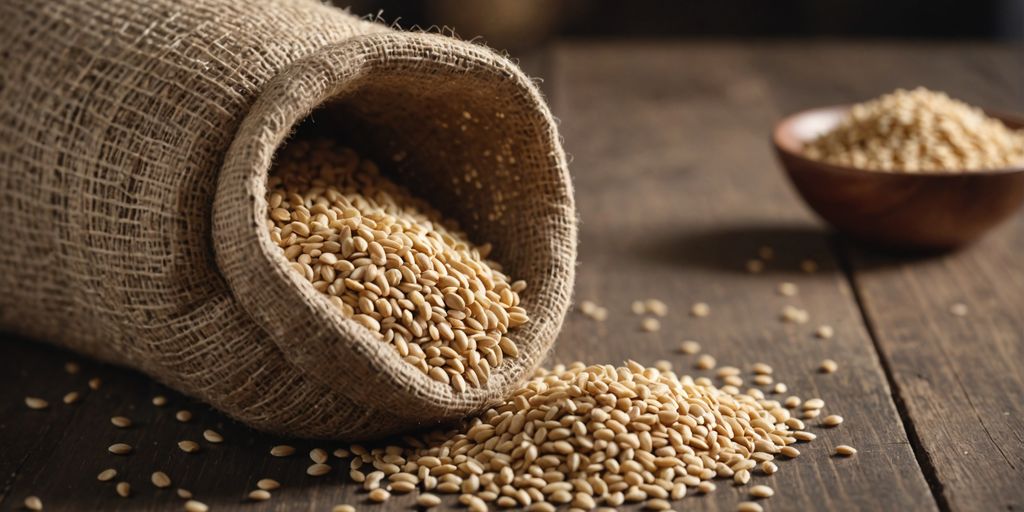
Export quality sesame seeds are a crucial commodity in the global market, known for their rich nutritional profile and versatile applications in various cuisines. Ensuring the highest quality standards is essential for exporters to meet international regulations and consumer expectations. This article delves into the key aspects of exporting top-notch sesame seeds, from understanding their characteristics to navigating regulatory compliance and market demands.
Key Takeaways
- Export quality sesame seeds must meet stringent global standards for purity, oil content, and absence of contaminants.
- The journey from farm to export involves meticulous sourcing, advanced processing techniques, and rigorous quality control measures.
- Different types of sesame seeds, including natural, hulled, and black varieties, cater to diverse market needs and preferences.
- Proper packaging and storage conditions are vital to maintain the quality and shelf life of sesame seeds during transit and storage.
- Compliance with regulatory standards, such as EU pesticide residue limits and salmonella testing, is mandatory for successful export.
Understanding Export Quality Sesame Seeds
Key Characteristics
Export quality sesame seeds are distinguished by their high purity levels and minimal admixture. These seeds typically have an oil content of at least 48%, ensuring they meet the stringent requirements of international markets. The moisture content is kept below 6% to maintain their quality during transit and storage.
Importance of Purity
Purity is a critical factor in determining the quality of sesame seeds for export. Seeds with a purity level of 99% or higher are considered premium and are more likely to meet global standards. This high level of purity ensures that the seeds are free from contaminants and foreign materials, making them suitable for various culinary and industrial applications.
Global Standards
To be deemed fit for export, sesame seeds must adhere to global standards, including those set by the European Union. These standards cover various parameters such as pesticide residue limits and the absence of salmonella. Compliance with these standards ensures that the seeds are safe for consumption and meet the expectations of international buyers.
The Journey from Farm to Export
Sourcing Regions
Sesame seeds are primarily sourced from regions with optimal growing conditions, such as Ethiopia and Sudan. These areas have historically been significant producers, contributing to the agrarian economies of their respective countries. The climate and soil in these regions are ideal for cultivating high-quality sesame seeds.
Processing Techniques
Once harvested, sesame seeds undergo several processing stages to ensure they meet export standards. These stages include cleaning, hulling, and drying. Advanced processing techniques are employed to maintain the seeds’ purity and quality. The seeds are meticulously cleaned to remove any impurities, and hulling is done to enhance their appearance and taste.
Quality Control Measures
Quality control is a critical aspect of the sesame seed export process. Rigorous testing is conducted to ensure the seeds meet international standards. This includes checking for moisture content, oil content, and the presence of any contaminants. Quality control measures are essential to maintain the reputation of the exporting country and to meet the stringent requirements of global markets.
Ensuring the highest quality in every step of the journey from farm to export is crucial for maintaining market competitiveness and consumer trust.
Types of Sesame Seeds for Export
Natural Sesame Seeds
Natural sesame seeds are among the most sought-after varieties for export. These seeds are known for their high purity levels and rich oil content. Typically, they are sourced from fertile regions and undergo minimal processing to retain their natural qualities. Natural sesame seeds are versatile and can be used in various culinary applications.
Hulled Sesame Seeds
Hulled sesame seeds have their outer husk removed, which enhances their flavor and texture. This type of sesame seed is preferred for its smooth texture and lighter color. The hulling process also makes these seeds easier to digest. Hulled sesame seeds are commonly used in baking and as a topping for various dishes.
Black Sesame Seeds
Black sesame seeds are known for their distinct color and slightly stronger flavor compared to their white counterparts. These seeds are often used in Asian cuisine and are prized for their nutritional benefits. Black sesame seeds are rich in antioxidants and have a unique taste that adds depth to both sweet and savory dishes.
Exporting high-quality sesame seeds requires adherence to stringent quality control measures to ensure that the seeds meet international standards.
Packaging and Storage Requirements
Packaging Options
When it comes to packaging sesame seeds for export, there are several options available to ensure the seeds remain fresh and uncontaminated. Common packaging types include laminated bags, paper/poly bags, and jute bags. These bags typically come in various weights, such as 10 kg, 15 kg, 25 kg, and 50 lbs. The container and packaging material must be made from safe materials and not transfer any harmful substances or undesirable odors or flavors to the product.
Storage Conditions
Proper storage conditions are crucial for maintaining the quality of sesame seeds. The ideal storage environment is cool and dry, with a recommended temperature of around 20°C. This helps to prevent the growth of mold and bacteria, ensuring the seeds remain safe for consumption. Additionally, it’s important to store the seeds away from direct sunlight and moisture to preserve their natural flavor and nutritional value.
Shelf Life
The shelf life of sesame seeds largely depends on the packaging and storage conditions. Under optimal conditions, sesame seeds can have a shelf life of up to two years. However, it’s essential to regularly check the seeds for any signs of spoilage, such as changes in color, texture, or smell. Proper labeling with the date of packaging and expiration can help in monitoring the freshness of the product.
Ensuring the right packaging and storage conditions is vital for maintaining the quality and safety of sesame seeds during export. This not only helps in meeting global standards but also in satisfying consumer expectations.
Nutritional Benefits of Sesame Seeds
Rich in Oil Content
Sesame seeds are renowned for their high oil content, which is predominantly composed of healthy fats. These fats are essential for maintaining good health and can help in reducing bad cholesterol levels. Rich in oil content, sesame seeds are often used in cooking oils and margarine, making them a versatile ingredient in the kitchen.
High in Protein
A significant benefit of sesame seeds is their high protein content. This makes them an excellent addition to vegetarian and vegan diets, providing a plant-based source of protein. The protein in sesame seeds aids in muscle repair and growth, contributing to overall fitness and health.
Loaded with Antioxidants
Sesame seeds are packed with antioxidants, which play a crucial role in protecting the body from oxidative stress. These antioxidants help in preventing cell damage and reducing the risk of chronic diseases. Including sesame seeds in your diet can be a natural way to boost your antioxidant intake and support your immune system.
Incorporating sesame seeds into your daily diet can offer numerous health benefits, from improving heart health to enhancing overall well-being.
Regulatory Compliance for Export
Ensuring regulatory compliance is crucial for exporting sesame seeds. Exporters must adhere to various international standards to ensure their products are accepted in global markets.
Market Demand and Trends
Global Market Insights
The global sesame seed market remains dynamic, with fluctuations in pricing and stock levels reflecting broader economic trends and regional developments. Demand for sesame seeds is influenced by their versatile use in various cuisines and health products. The market is expected to grow steadily, driven by increasing awareness of their nutritional benefits.
Consumer Preferences
Consumers are increasingly seeking out high-quality sesame seeds, with a preference for organic and non-GMO varieties. There is also a growing trend towards purchasing sesame seeds in bulk for use in health foods, snacks, and culinary applications. This shift in consumer behavior is shaping the market landscape significantly.
Emerging Markets
Emerging markets in Asia and Africa are showing a rising demand for sesame seeds, driven by both local consumption and export opportunities. These regions are becoming key players in the global sesame seed market, contributing to its overall growth and diversification.
The global sesame seed market is poised for significant growth, with emerging markets playing a crucial role in its expansion.
Challenges in Exporting Sesame Seeds
Quality Assurance
Ensuring the quality of sesame seeds for export is a significant challenge. Exporters must adhere to stringent global standards, which include maintaining high levels of purity and minimizing admixture. Regular testing for contaminants like Salmonella and pesticide residues is essential to meet these standards.
Logistical Issues
Exporting sesame seeds involves complex logistics. From sourcing in fertile regions to processing and packaging, each step must be meticulously planned. Delays in any part of the supply chain can lead to increased costs and missed deadlines, impacting the overall market competitiveness.
Market Competition
The sesame seed market is highly competitive, with numerous exporters vying for a share. Prices can be surprisingly firm, even when production is set to decline. Staying competitive requires not only maintaining high quality but also offering competitive pricing and reliable delivery schedules.
Exporters must navigate a myriad of challenges to ensure their sesame seeds meet global standards and reach their destinations on time. The ability to manage these challenges effectively can make or break their success in the international market.
Why Choose Indian Sesame Seeds?
Fertile Sourcing Regions
India is renowned for its fertile regions, particularly Gujarat, which is the leading sesame-producing state. The rich soil and favorable climate conditions contribute to the high quality of sesame seeds. These regions ensure a consistent supply of nutrient-rich sesame seeds that meet global standards.
Advanced Processing
Indian sesame seed exporters utilize advanced processing techniques to ensure the seeds are clean, pure, and free from contaminants. This meticulous approach to processing not only enhances the quality but also extends the shelf life of the seeds, making them ideal for export.
Competitive Pricing
Being a major producer, India offers sesame seeds at very competitive prices. This affordability does not compromise the quality, making Indian sesame seeds a preferred choice for importers worldwide. The combination of high quality and reasonable pricing makes India a leading exporter in the global market.
Sustainability and Ethical Practices
Non-GMO Practices
Ensuring that our sesame seeds are non-GMO is not just about satisfying the customer’s needs but also one of fulfilling our duties as an ethical business. Our commitment extends so far that we ensure that all our employees understand how important their contribution is in maintaining these standards.
Fair Trade Initiatives
We are dedicated to achieving customer satisfaction through fair trade initiatives. This involves not only providing quality sesame seeds but also ensuring that our farmers are compensated fairly. To achieve our goal, we have a team of researchers who work hard with total dedication to find ways for improvement on every level possible.
Environmental Impact
Our business is built around supplying the market with quality sesame seeds while minimizing our environmental impact. We strive to maintain a level of standard and customer service that is unparalleled in the industry. We are constantly striving to provide our customers with quality products at competitive prices, through continuous improvement in the technology we use.
How to Choose a Reliable Exporter
Selecting a trustworthy sesame seeds exporter is crucial for ensuring the quality and consistency of your supply. Here are some key factors to consider:
Certifications to Look For
Ensure the exporter holds relevant certifications such as SGS or Bureau Veritas. These certifications are indicators of quality and compliance with international standards. Certifications provide assurance that the exporter adheres to stringent quality control measures.
Customer Reviews
Check customer reviews and testimonials to gauge the reliability of the exporter. Positive feedback from previous clients can be a strong indicator of the exporter’s credibility. Look for reviews that highlight aspects like timely delivery and product quality.
Long-term Partnerships
Establishing a long-term partnership with a reliable exporter can lead to numerous benefits, including better pricing and consistent quality. Long-term relationships often result in improved trust and collaboration, ensuring a steady supply of high-quality sesame seeds.
When choosing an exporter, consider their track record and commitment to maintaining high standards. A reliable exporter will not only meet your immediate needs but also support your long-term business goals.
Choosing a reliable exporter is crucial for ensuring the quality and consistency of your products. At SesameParaguay.com, we pride ourselves on delivering premium Paraguayan sesame seeds that meet the highest standards of quality and sustainability. Visit our website to learn more about our commitment to excellence and how we can meet your export needs.
Conclusion
In conclusion, the export quality sesame seeds from India stand out due to their exceptional purity, high oil content, and adherence to stringent international standards. Sourced from fertile regions and processed with meticulous care, these seeds cater to a global market that demands the best. With a variety of types including natural, hulled, and black sesame seeds, Indian exporters ensure that every batch meets the highest quality benchmarks. The commitment to quality, coupled with competitive pricing and ethical business practices, makes India a leading exporter of premium sesame seeds. Whether for culinary use or industrial applications, Indian sesame seeds offer unparalleled value and reliability.
Frequently Asked Questions
What are the key characteristics of export quality sesame seeds?
Export quality sesame seeds typically have high purity (up to 99.95%), low admixture (up to 0.05%), and high oil content (at least 48%). They are also free from contaminants such as Salmonella and adhere to pesticide residue limits set by the EU.
Why is purity important in sesame seeds for export?
Purity ensures that the sesame seeds meet international quality standards, which is crucial for gaining trust in global markets. High purity levels also mean fewer impurities and contaminants, making the seeds safer and more desirable for consumers.
Which regions in India are known for sourcing high-quality sesame seeds?
The highly fertile Indo-Gangetic plain and Gujarat are renowned for producing premium quality sesame seeds. These regions offer optimal growing conditions that contribute to the superior quality of the seeds.
What are the different types of sesame seeds available for export?
The main types of sesame seeds available for export include natural sesame seeds, hulled sesame seeds, and black sesame seeds. Each type has its own unique characteristics and uses in the culinary world.
How should sesame seeds be packaged and stored for export?
Sesame seeds should be packaged in paper or poly bags of various sizes (10 kg, 15 kg, 25 kg, and 50 lbs) and stored in cool, dry conditions (around 20°C) to maintain their quality and extend their shelf life up to one year from the production date.
What nutritional benefits do sesame seeds offer?
Sesame seeds are rich in oil content, high in protein, and loaded with antioxidants. These nutritional benefits make them a healthy addition to various dishes and contribute to their global demand.
What regulatory compliance is required for exporting sesame seeds to the EU?
Exporting sesame seeds to the EU requires adherence to specific regulations, including limits on pesticide residues and mandatory Salmonella testing. Compliance with these regulations ensures that the seeds meet the safety and quality standards of the EU market.
Why should I choose Indian sesame seeds for export?
Indian sesame seeds are sourced from fertile regions, processed using advanced techniques, and offered at competitive prices. These factors make Indian sesame seeds a preferred choice for many international buyers.