
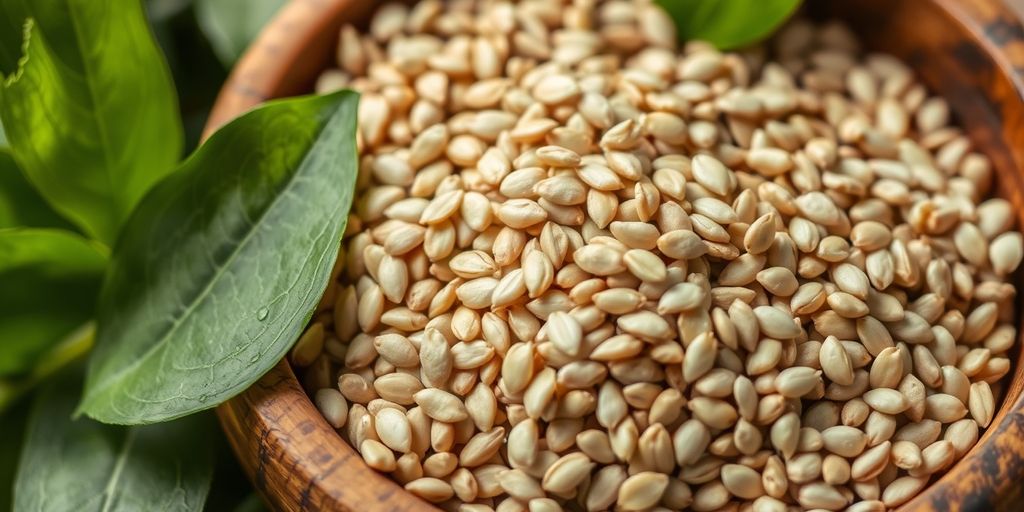
Sesame seeds are small but mighty, bringing a unique flavor and numerous health benefits to the table. These tiny seeds are becoming increasingly popular in the organic food market, as more people recognize their versatility and nutritional value. This article will explore the rich flavor profile, health benefits, and various culinary uses of premium sesame seeds, while also highlighting the importance of sourcing them sustainably and organically.
Key Takeaways
- Premium sesame seeds offer a mild, nutty flavor and a delightful crunch, enhancing various dishes.
- Organic sesame seeds are packed with nutrients that support heart health and provide antioxidants.
- Sourcing sesame seeds from certified organic farms ensures they are free from pesticides and harmful chemicals.
- These seeds are versatile and can be used in salads, Asian dishes, and baked goods for added flavor and texture.
- Storing sesame seeds properly helps maintain their freshness and flavor, allowing for longer shelf life.
Flavor Profile of Premium Sesame Seeds
Mild Nutty Sweetness
Premium sesame seeds are known for their mild nutty sweetness. This flavor makes them a delightful addition to various dishes, enhancing the overall taste without overpowering other ingredients. They are often used in salads, dressings, and Asian cuisine, where their unique flavor can shine.
Delicate Crunch
One of the standout features of sesame seeds is their delicate crunch. When added to meals, they provide a satisfying texture that complements both soft and crunchy foods. This makes them perfect for toppings on salads or as a garnish for stir-fries and noodle dishes.
Versatile Culinary Uses
Sesame seeds are incredibly versatile and can be used in many ways:
- Salad Toppings: Sprinkle them on fresh salads for added flavor and texture.
- Garnishing Asian Cuisine: Use them to enhance dishes like sushi, stir-fries, and noodle bowls.
- Baking and Cooking Enhancements: Incorporate them into bread, cookies, and pastries for a nutty flavor.
Toasting sesame seeds before use can significantly enhance their flavor, making them even more delicious in your dishes.
In summary, premium sesame seeds offer a delightful combination of mild nutty sweetness, a delicate crunch, and versatile culinary applications, making them a must-have in any organic kitchen.
Health Benefits of Organic Sesame Seeds
Rich in Nutrients
Organic sesame seeds are packed with essential nutrients. They are a great source of protein, healthy fats, and dietary fiber. Brown sesame seeds are particularly high in calcium, iron, and magnesium, making them a fantastic addition to any diet.
Heart Health Support
Including organic sesame seeds in your meals can help support heart health. They contain healthy fats that can lower cholesterol levels and reduce the risk of heart disease. Regular consumption may lead to better overall cardiovascular health.
Antioxidant Properties
These tiny seeds are also rich in antioxidants, which help protect your body from damage caused by free radicals. Antioxidants are important for maintaining good health and can help reduce inflammation in the body.
Organic sesame seeds are not just tasty; they are a powerhouse of health benefits that can enhance your overall well-being.
| Nutrient | Amount per 100g |
|---|---|
| Protein | 18g |
| Healthy Fats | 50g |
| Calcium | 975mg |
| Iron | 14.55mg |
| Magnesium | 351mg |
Incorporating organic sesame seeds into your diet can be simple. Here are a few easy ways to enjoy them:
- Add them to salads for a crunchy texture.
- Use them in baking for added flavor.
- Sprinkle on stir-fries or Asian dishes for a nutty taste.
By choosing organic sesame seeds, you not only enjoy their rich flavor but also benefit from their numerous health advantages. They are a perfect choice for anyone looking to improve their diet and overall health.
Sourcing Premium Sesame Seeds
When it comes to sourcing premium sesame seeds, quality is key. Choosing the right supplier can make a big difference in the flavor and health benefits of the seeds you use. Here are some important factors to consider:
USDA Organic Certification
- Look for suppliers that offer USDA Organic Certified sesame seeds. This ensures that the seeds are grown without harmful pesticides and chemicals.
- Organic certification also means that the farming practices are sustainable and environmentally friendly.
Pesticide-Free Farming
- Ensure that the sesame seeds are sourced from farms that practice pesticide-free farming. This is crucial for maintaining the purity and health benefits of the seeds.
- Pesticide-free seeds are not only better for your health but also for the environment.
Sustainable Practices
- Opt for suppliers who follow sustainable farming practices. This includes crop rotation, soil health management, and water conservation.
- Supporting sustainable practices helps in preserving the ecosystem and promotes a healthier planet.
Sourcing high-quality sesame seeds is essential for both flavor and health benefits. By choosing organic and sustainably farmed seeds, you can enhance your dishes while supporting a healthier lifestyle.
In summary, when sourcing premium sesame seeds, prioritize suppliers with USDA Organic Certification, pesticide-free farming, and sustainable practices. This will ensure that you are getting the best quality seeds for your culinary needs.
| Factor | Importance |
|---|---|
| USDA Organic Certification | Ensures no harmful chemicals are used |
| Pesticide-Free Farming | Maintains purity and health benefits |
| Sustainable Practices | Supports environmental health and ecosystem |
Culinary Applications in Organic Dishes
Salad Toppings
Sesame seeds are a fantastic addition to salads, providing a delicate crunch and a mild, nutty sweetness. They can be sprinkled on top of any salad to enhance both flavor and texture.
Garnishing Asian Cuisine
In many Asian dishes, sesame seeds play a key role. They are often used as a garnish for meals like Beef and Broccoli and Cold Sesame Noodles. Their rich flavor complements the spices and sauces commonly found in these cuisines.
Baking and Cooking Enhancements
Toasted sesame seeds can elevate baked goods, adding a unique nutty flavor to breads, cookies, and cakes. They can also be mixed into stir-fries or used in dressings for an extra layer of taste.
Toasting sesame seeds before use is essential for maximizing their flavor.
Here’s a quick overview of how sesame seeds can be used in various dishes:
| Culinary Use | Examples |
|---|---|
| Salad Toppings | Mixed greens, grain salads |
| Asian Cuisine | Sushi, stir-fries, noodle dishes |
| Baking | Breads, cookies, cakes |
| Dressings and Sauces | Vinaigrettes, marinades |
Incorporating sesame seeds into your meals not only enhances the taste but also adds nutritional value, making them a versatile ingredient in organic cooking.
Quality Assurance in Sesame Seed Production
Ensuring the quality of sesame seeds is crucial for maintaining their integrity and safety. Quality assurance processes help in verifying that the seeds meet high standards before they reach consumers. Here are some key aspects of quality assurance in sesame seed production:
SQF-Certified Warehousing
- Safe Storage: Sesame seeds are stored in SQF-certified warehouses, ensuring that they are kept in a clean and safe environment.
- Temperature Control: Proper temperature management prevents spoilage and maintains freshness.
Kosher and Gluten-Free Standards
- Dietary Compliance: Sesame seeds are certified kosher and gluten-free, making them suitable for a wide range of dietary needs.
- Consumer Trust: These certifications help build trust with consumers who are health-conscious.
Non-GMO and Paleo Friendly
- Natural Integrity: The seeds are non-GMO, ensuring that they are grown without genetic modification.
- Diet Compatibility: They are also paleo-friendly, appealing to those following specific dietary lifestyles.
Quality assurance is essential for maintaining the integrity and safety of food products by accurately identifying and quantifying sesame allergens, preventing accidental contamination.
By adhering to these quality assurance practices, producers can ensure that their sesame seeds are not only safe but also of the highest quality for consumers.
The Role of Sesame Seeds in Organic Diets
Incorporating into Daily Meals
Sesame seeds can easily be added to your daily meals. They are great for sprinkling on salads, mixing into smoothies, or even adding to your favorite stir-fry. These tiny seeds pack a big nutritional punch!
Enhancing Nutritional Value
These seeds are not just tasty; they also boost the nutritional value of your meals. They are rich in vitamins and minerals, making them a smart choice for anyone looking to eat healthier. For example, unhulled sesame seeds are often seen as being more nutrient-dense due to their higher calcium and fiber content.
Supporting Organic Lifestyle Choices
Using organic sesame seeds supports a healthier lifestyle. By choosing seeds that are USDA organic certified, you ensure that you are consuming products that are free from harmful pesticides and chemicals. This aligns perfectly with the values of many who follow an organic diet.
Incorporating organic sesame seeds into your meals not only enhances flavor but also contributes to a healthier lifestyle.
In summary, sesame seeds are a versatile ingredient that can be easily included in various dishes, enhancing both flavor and nutrition while supporting organic choices.
Comparing Different Types of Sesame Seeds
Sesame seeds come in various colors, each with its own unique flavor and culinary uses. The two most common types are white and black sesame seeds. Understanding their differences can help you choose the right one for your dishes.
White vs. Black Sesame Seeds
- White Sesame Seeds: These seeds are small, flat, and have a mild, nutty flavor. They are often used in salads, baked goods, and as a topping for various dishes. Their delicate crunch makes them a favorite in many recipes.
- Black Sesame Seeds: In contrast, black sesame seeds have a bolder flavor and aroma. They are perfect for pairing with strong ingredients, adding depth to your meals. Their unique taste can enhance Asian dishes and desserts.
Flavor and Aroma Differences
| Type | Flavor Profile | Aroma |
|---|---|---|
| White Sesame Seeds | Mild, nutty sweetness | Subtle and delicate |
| Black Sesame Seeds | Bold and rich | Strong and earthy |
Culinary Uses for Each Type
- White Sesame Seeds:
- Black Sesame Seeds:
In summary, both types of sesame seeds offer distinct flavors and uses in cooking. Choosing the right one can elevate your dishes and provide a delightful experience for your taste buds. Black sesame has strong growth ability, while white sesame has high oil content, making them both valuable in the kitchen!
Storage and Preservation of Sesame Seeds
Best Practices for Freshness
To keep your sesame seeds fresh and flavorful, store them in an airtight container. This helps prevent moisture from getting in, which is crucial for maintaining their quality. Place the container in a cool, dry area away from direct sunlight.
Avoiding Common Mistakes
Here are some common mistakes to avoid when storing sesame seeds:
- Storing in a warm place: Heat can spoil the seeds quickly.
- Using non-airtight containers: This can lead to moisture exposure.
- Keeping near strong odors: Sesame seeds can absorb smells from other foods.
Long-Term Storage Solutions
For long-term storage, consider these options:
- Refrigeration: Store sesame seeds in the fridge to extend their shelf life.
- Freezing: For even longer storage, you can freeze sesame seeds. Just make sure they are in a sealed bag to avoid freezer burn.
Remember: Moisture content is a pre-requisite for long-term seed storage, and is the most important factor affecting seed longevity. Sesame seeds remain consistent and flavorful when stored properly.
By following these tips, you can ensure that your sesame seeds stay fresh and ready for use in your favorite dishes!
Market Trends for Organic Sesame Seeds
Growing Demand in Health Foods
The organic food market is seeing a significant rise in demand for premium sesame seeds. Consumers are increasingly looking for healthier options, and sesame seeds fit perfectly into this trend.
Consumer Preferences
Recent studies show that consumers prefer products that are:
- USDA Organic Certified
- Pesticide-free
- Sustainably sourced
This shift in preferences is driving brands to focus on quality and transparency in their sourcing practices.
Impact of Organic Certification
The importance of organic certification cannot be overstated. It not only assures consumers of the quality but also enhances marketability. According to the latest data, the global organic sesame seed market is projected to grow at a CAGR of 4.75% from 2022 to 2029. This growth reflects a broader trend towards organic products in the food industry.
| Year | Projected Market Growth (%) |
|---|---|
| 2022 | 4.75 |
| 2023 | 4.75 |
| 2024 | 4.75 |
| 2025 | 4.75 |
| 2026 | 4.75 |
| 2027 | 4.75 |
| 2028 | 4.75 |
| 2029 | 4.75 |
The organic sesame seed market is evolving, with a clear focus on quality and sustainability. Brands that adapt to these trends will likely thrive in the coming years.
Innovative Products Featuring Sesame Seeds
Gourmet Spice Blends
Sesame seeds are not just for sprinkling; they are now featured in various gourmet spice blends. These blends combine sesame seeds with herbs and spices to create unique flavors for cooking. These blends can elevate any dish, making them a must-have in your pantry.
Organic Seasoning Sets
Many brands are now offering organic seasoning sets that include sesame seeds. These sets often come in beautiful jars and can include a variety of flavors, making it easy to enhance your meals. You can find options that cater to different cuisines, from Asian to Mediterranean.
Unique Snack Options
Sesame seeds are also being used in innovative snack products. From sesame seed bars to crunchy snacks, these products are not only tasty but also packed with nutrients. They are perfect for on-the-go snacking and provide a healthy alternative to traditional snacks.
The trend has created substantial opportunities for the tahini market, particularly for products made from organic, non-GMO sesame seeds.
Summary Table of Innovative Products
| Product Type | Description | Key Features |
|---|---|---|
| Gourmet Spice Blends | Unique blends with sesame seeds and spices | Enhances flavor, versatile use |
| Organic Seasoning Sets | Sets of organic spices including sesame seeds | Beautiful packaging, variety |
| Unique Snack Options | Snacks made with sesame seeds | Healthy, convenient |
Toasting Techniques for Enhanced Flavor
Toasting sesame seeds is a simple way to bring out their natural nutty flavor and aroma. Here are some effective methods to toast sesame seeds:
Methods for Toasting
- Stovetop Method:
- Oven Method:
Timing and Temperature Tips
- Watch closely: Seeds can burn quickly, so keep an eye on them.
- Cool before using: Let them cool down to maintain their crunch.
Toasted sesame seeds can elevate the flavor of many dishes, making them a great addition to salads, stir-fries, and baked goods.
Incorporating Toasted Seeds into Recipes
- Salads: Sprinkle on top for added crunch.
- Baking: Mix into bread or cookie dough for a nutty twist.
- Garnishing: Use as a finishing touch on Asian dishes.
By following these techniques, you can enhance the flavor of your dishes with toasted sesame seeds, making them even more delicious!
If you want to bring out the best flavors in your dishes, mastering toasting techniques is key. Toasting sesame seeds can enhance their nutty taste and add a delightful crunch to your meals. Ready to elevate your cooking? Visit our website to learn more about the best sesame seeds and how to use them!
Final Thoughts on Premium Sesame Seeds
In conclusion, premium sesame seeds are a fantastic choice for anyone who loves organic food. They bring a nice crunch and a gentle nutty taste to many dishes, making them perfect for salads, stir-fries, and even baked goods. Plus, these seeds are all-natural and certified organic, which means they are grown without harmful chemicals. By choosing high-quality sesame seeds, you not only enhance your meals but also support healthier eating habits. So, whether you’re making a tasty trail mix or adding a sprinkle to your favorite recipe, premium sesame seeds are a great addition to your kitchen.
Frequently Asked Questions
What do premium sesame seeds taste like?
Premium sesame seeds have a mild nutty flavor with a slight sweetness. They add a nice crunch to dishes.
Are organic sesame seeds healthy?
Yes, organic sesame seeds are packed with nutrients and can support heart health and provide antioxidants.
How can I tell if sesame seeds are organic?
Look for the USDA Organic label on the packaging. This means they were grown without pesticides.
What are some ways to use sesame seeds in cooking?
You can sprinkle them on salads, use them in Asian recipes, or add them to baked goods for extra flavor.
How should I store sesame seeds?
Keep sesame seeds in an airtight container in a cool, dry place to keep them fresh.
What is the difference between white and black sesame seeds?
White sesame seeds have a milder flavor, while black sesame seeds have a stronger taste and aroma.
Can sesame seeds be used in a gluten-free diet?
Yes, sesame seeds are naturally gluten-free and can be enjoyed by those who are gluten-sensitive.
What are some market trends for organic sesame seeds?
There is a growing demand for organic sesame seeds in health foods as more consumers prefer organic options.