
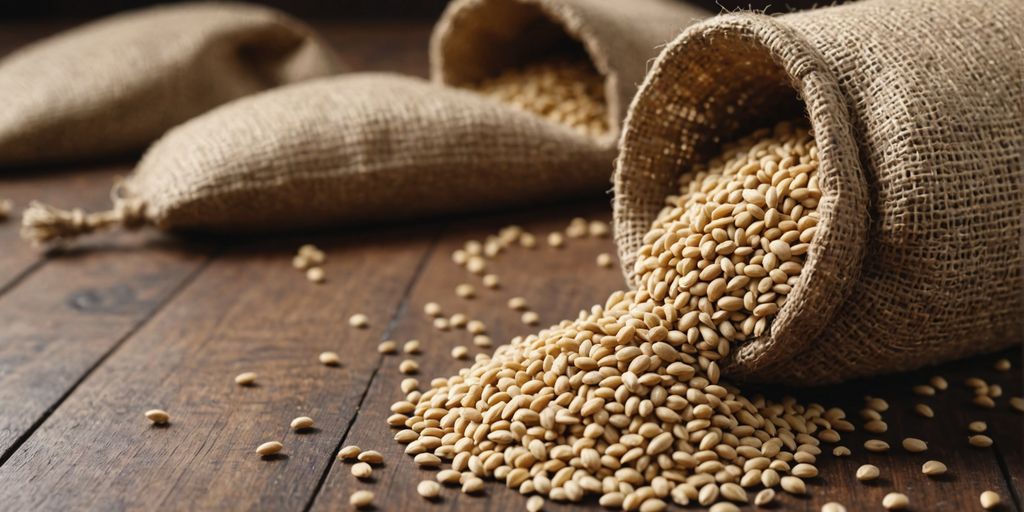
Buying premium sesame seeds for import can be a smart move for businesses looking to tap into a growing market. Sesame seeds are used in many foods, and their demand is rising worldwide. However, importing them involves understanding market trends, quality standards, and logistical factors. This guide will help you navigate the complexities of importing premium sesame seeds.
Key Takeaways
- The global demand for sesame seeds is increasing, making it a lucrative market.
- There are different types of sesame seeds, like hulled, unhulled, white, brown, organic, and conventional.
- Quality standards such as purity levels and certifications are crucial when importing sesame seeds.
- Sourcing from reliable exporters and ensuring sustainable practices are important.
- Understanding import regulations, logistics, and cost factors can help in successful importation.
Understanding the Market for Premium Sesame Seeds
Global Demand Trends
The demand for premium sesame seeds is on the rise globally. Consumers are increasingly seeking high-quality, chemical-free seeds for their nutritional benefits. This trend is particularly strong in health-conscious markets.
Key Exporting Countries
India is a major player in the sesame seed market, exporting various types of seeds to countries like the United States. Other key exporters include Ethiopia and Nigeria, which also contribute significantly to the global supply.
Market Prices and Fluctuations
Market prices for sesame seeds can vary widely. For instance, premium quality hulled sesame seeds from India are priced around $17.69 per unit. Prices can fluctuate due to factors like weather conditions and global demand.
Understanding these market dynamics is crucial for anyone looking to import premium sesame seeds.
Types of Premium Sesame Seeds Available for Import
Hulled vs. Unhulled Sesame Seeds
Hulled sesame seeds have their outer shells removed, making them ideal for baking and cooking. Unhulled sesame seeds, on the other hand, retain their outer shells, offering a slightly crunchier texture and more fiber. Both types are popular in different culinary applications.
White vs. Brown Sesame Seeds
White sesame seeds are commonly used in Western cuisines and are known for their mild flavor. Brown sesame seeds have a nuttier taste and are often used in Asian dishes. Each type brings a unique flavor profile to the table.
Organic vs. Conventional Sesame Seeds
Organic sesame seeds are grown without synthetic pesticides or fertilizers, making them a healthier choice for consumers. Conventional sesame seeds are more widely available and generally less expensive. Both options meet different consumer needs and preferences.
When choosing sesame seeds for import, consider the specific needs of your market. Whether it’s the purity levels of hulled sesame seeds or the unique flavors of brown sesame seeds, understanding these differences can help you make informed decisions.
Quality Standards for Premium Sesame Seeds
Purity Levels
Purity levels are crucial when it comes to premium sesame seeds. High-quality seeds often boast a purity level of 99.95% or higher. This means fewer impurities and a better product overall. For instance, some suppliers offer sesame seeds with a purity level of 99.98%, ensuring that you get the best possible seeds for your needs.
Certifications and Labels
Certifications and labels play a significant role in verifying the quality of sesame seeds. Look for certifications like organic, non-GMO, and Fair Trade. These labels ensure that the seeds are grown and processed under strict guidelines, providing you with a product that meets high standards.
Testing and Quality Assurance
Testing and quality assurance are essential steps in maintaining the quality of premium sesame seeds. Regular testing for contaminants and quality checks help in ensuring that the seeds meet the required standards. This process often includes lab tests for purity, moisture content, and the presence of any harmful substances.
Ensuring high quality in sesame seeds involves rigorous testing and adherence to strict standards, making sure you get a product that is both safe and superior in quality.
Sourcing Premium Sesame Seeds
Top Exporters and Producers
When looking to source premium sesame seeds, it’s essential to know the top exporters and producers. Countries like India, Pakistan, and Panama are known for their high-quality sesame seeds. India, for instance, offers premium quality hulled sesame seeds with 99.98% purity. These seeds are carefully selected for their superior quality, ensuring a delightful nutty taste and satisfying crunch.
Evaluating Suppliers
Evaluating suppliers is a crucial step in sourcing premium sesame seeds. Here are some key points to consider:
- Check the supplier’s reputation and reviews.
- Ensure they meet quality standards and certifications.
- Verify their ability to provide consistent supply.
- Assess their commitment to sustainable and ethical practices.
Sustainable and Ethical Sourcing
Sustainable and ethical sourcing is becoming increasingly important in the sesame seed market. Look for suppliers who prioritize environmental sustainability and fair labor practices. This not only helps the planet but also ensures a positive brand image for your business.
Sourcing from suppliers who follow sustainable and ethical practices can lead to long-term benefits for both your business and the environment.
Import Regulations and Compliance
Necessary Documentation
When importing sesame seeds, you need to have the right paperwork. Necessary documents include the invoice, packing list, and bill of lading. You also need a phytosanitary certificate to show the seeds are free from pests. Make sure to check the specific requirements of the country you are importing to.
Customs Procedures
Customs procedures can be tricky. You must declare your goods and pay any duties or taxes. It’s important to know the HS Code for sesame seeds to speed up the process. Sometimes, customs might inspect your shipment to ensure it meets all regulations.
Regulatory Standards
Different countries have different rules for importing sesame seeds. For example, the United States has strict rules to prevent pests and diseases. You need to follow the guidelines set by the Animal and Plant Health Inspection Service (APHIS) to import your products safely and legally. Always stay updated on the latest regulations to avoid any issues.
Logistics and Shipping Considerations
Packaging Requirements
When transporting sesame seeds from one country to another, proper packaging is crucial. The seeds must be packed in moisture-proof containers to prevent spoilage. Additionally, the packaging should be sturdy enough to withstand the rigors of shipping.
Shipping Methods
There are several shipping methods available for sesame seeds, including air freight and sea freight. Air freight is faster but more expensive, while sea freight is more cost-effective but takes longer. Exporters must navigate shipping schedules to choose the best method.
Handling and Storage
Proper handling and storage are essential to maintain the quality of sesame seeds. The seeds should be stored in a cool, dry place to prevent mold and insect infestation. It’s also important to monitor the storage conditions regularly to ensure the seeds remain in good condition.
Ensuring the quality of sesame seeds during shipping and storage is vital for maintaining their market value.
Cost Factors in Importing Premium Sesame Seeds
Pricing Structures
The price of sesame seeds can vary due to market conditions. Factors like weather, global demand, and political stability in exporting countries can all impact the cost. Understanding these variables can help in planning and budgeting.
Import Duties and Taxes
When importing sesame seeds, it’s important to consider the import duties and taxes that will be applied. These can differ based on the country of origin and the specific trade agreements in place. Keeping track of these costs is crucial for accurate financial planning.
Cost-Saving Strategies
To save on costs, consider buying in bulk or negotiating better rates with suppliers. Another strategy is to source sesame seeds from countries with favorable trade agreements. This can significantly reduce the overall import expenses.
Importing premium sesame seeds involves various cost factors, but with careful planning and strategic sourcing, you can manage these expenses effectively.
Risk Management in Sesame Seed Importation
Identifying Potential Risks
When importing sesame seeds, it’s crucial to identify potential risks that could impact your business. These risks can range from quality issues to logistical challenges. For instance, a recall of sesame seeds due to possible presence of contaminants can severely affect your operations. Being aware of these risks helps in planning and mitigation.
Mitigation Strategies
To mitigate risks, consider implementing several strategies:
- Quality Control: Regularly test the sesame seeds to ensure they meet safety standards.
- Supplier Audits: Conduct thorough audits of your suppliers to verify their compliance with regulations.
- Diversification: Source sesame seeds from multiple suppliers to avoid dependency on a single source.
Insurance Options
Insurance is another layer of protection. Various insurance options are available to cover different aspects of the importation process. These can include cargo insurance, liability insurance, and product recall insurance. Having the right insurance can save you from significant financial losses in case of unforeseen events.
Effective risk management involves a combination of proactive measures and reactive strategies to ensure the safety and quality of imported sesame seeds.
Building Long-Term Relationships with Suppliers
Negotiation Tactics
Building strong relationships with suppliers starts with effective negotiation. Clear communication about your needs and expectations is crucial. Always aim for a win-win situation where both parties benefit. This approach not only secures better deals but also fosters trust and mutual respect.
Communication Best Practices
Maintaining open lines of communication is essential. Regular updates and feedback help in addressing any issues promptly. Use various tools like emails, video calls, and instant messaging to stay connected. This ensures that both parties are on the same page and can quickly resolve any misunderstandings.
Maintaining Quality and Consistency
Ensuring the quality and consistency of the sesame seeds you import is vital. Set clear quality standards and conduct regular inspections. This not only helps in maintaining the integrity of your product but also strengthens your relationship with the supplier. A reliable supplier will appreciate your commitment to quality and strive to meet your standards.
Building long-term relationships with suppliers is not just about business; it’s about creating a partnership that benefits both parties. By focusing on clear communication, mutual respect, and quality assurance, you can ensure a successful and lasting collaboration.
Marketing and Selling Imported Premium Sesame Seeds
Target Markets
When marketing premium sesame seeds, it’s crucial to identify your target markets. These could include health food stores, gourmet restaurants, and specialty food manufacturers. Understanding the needs and preferences of these buyers will help tailor your marketing strategies effectively.
Brand Positioning
Positioning your brand as a provider of high-quality, premium sesame seeds can set you apart from competitors. Highlight the unique qualities of your sesame seeds, such as their origin, purity, and any certifications they hold. This can be a key selling point for discerning buyers.
Sales Channels
Utilize various sales channels to reach a broader audience. These can include online marketplaces, direct sales to businesses, and participation in trade shows. Each channel offers unique opportunities to connect with potential buyers and showcase your premium sesame seeds.
Building a strong brand and utilizing multiple sales channels can significantly enhance your market reach and customer base.
| Sales Channel | Benefits |
|---|---|
| Online Marketplaces | Wide reach, 24/7 availability |
| Direct Sales | Personalized service, stronger relations |
| Trade Shows | Networking, immediate feedback |
By focusing on these aspects, you can effectively market and sell your imported premium sesame seeds, ensuring a successful venture.
Case Studies of Successful Sesame Seed Importers
Business Models
Successful sesame seed importers often adopt diverse business models to thrive in the market. Some focus on direct importation and distribution, while others form partnerships with local suppliers to ensure a steady supply. Bold strategies include vertical integration, where companies control multiple stages of the supply chain, from sourcing to retail.
Challenges Faced
Importing sesame seeds comes with its own set of challenges. Importers must navigate complex customs procedures and adhere to strict regulatory standards. Additionally, market prices and fluctuations can impact profitability. One importer noted that understanding the importance of sesame in cropping systems helped them mitigate risks associated with supply chain disruptions.
Lessons Learned
From these case studies, several key lessons emerge. First, maintaining strong relationships with suppliers is crucial for ensuring quality and consistency. Second, leveraging data-driven insights can help identify new markets and potential buyers. Finally, adopting sustainable and ethical sourcing practices not only benefits the environment but also enhances brand reputation.
Successful importers emphasize the need for adaptability and continuous learning to stay ahead in the competitive sesame seed market.
Explore our "Case Studies of Successful Sesame Seed Importers" to see how businesses thrive with our premium sesame seeds. Learn from their success and find out how you can benefit too. Visit our website to get started on your journey to importing the best sesame seeds from Paraguay.
Conclusion
In conclusion, buying premium sesame seeds for import is a smart choice for businesses looking to offer high-quality products. These seeds, sourced from countries like India and Pakistan, are known for their excellent quality and purity. By choosing premium sesame seeds, you ensure that your customers get the best, whether they are used in cooking, baking, or as a topping. Investing in top-grade sesame seeds can set your business apart and meet the growing demand for quality ingredients. Make the right choice today and see the difference premium sesame seeds can make.
Frequently Asked Questions
What are the main uses of premium sesame seeds?
Premium sesame seeds are often used in cooking, baking, and making oils. They are also used as toppings for bread and in various snacks.
How do I choose between hulled and unhulled sesame seeds?
Hulled sesame seeds have their outer shell removed, making them softer and better for smooth textures in recipes. Unhulled seeds have their shell, providing more fiber and a crunchier texture.
What is the difference between white and brown sesame seeds?
White sesame seeds are more common and have a mild flavor, while brown sesame seeds have a stronger, nuttier taste.
Are organic sesame seeds better than conventional ones?
Organic sesame seeds are grown without synthetic pesticides or fertilizers. They are often preferred for their natural growth process, but both types can be high quality.
What should I look for in a sesame seed supplier?
Look for suppliers with good reviews, quality certifications, and transparent sourcing practices. It’s also important to check their compliance with food safety standards.
What documents are needed to import sesame seeds?
You will need import licenses, certificates of origin, and food safety certifications. Customs declarations and invoices are also required.
How can I ensure the quality of imported sesame seeds?
Quality can be ensured by testing for purity levels, checking certifications, and conducting regular supplier audits.
What are some common risks in importing sesame seeds?
Common risks include quality issues, delays in shipping, and changes in market prices. It’s important to have risk management strategies in place.